
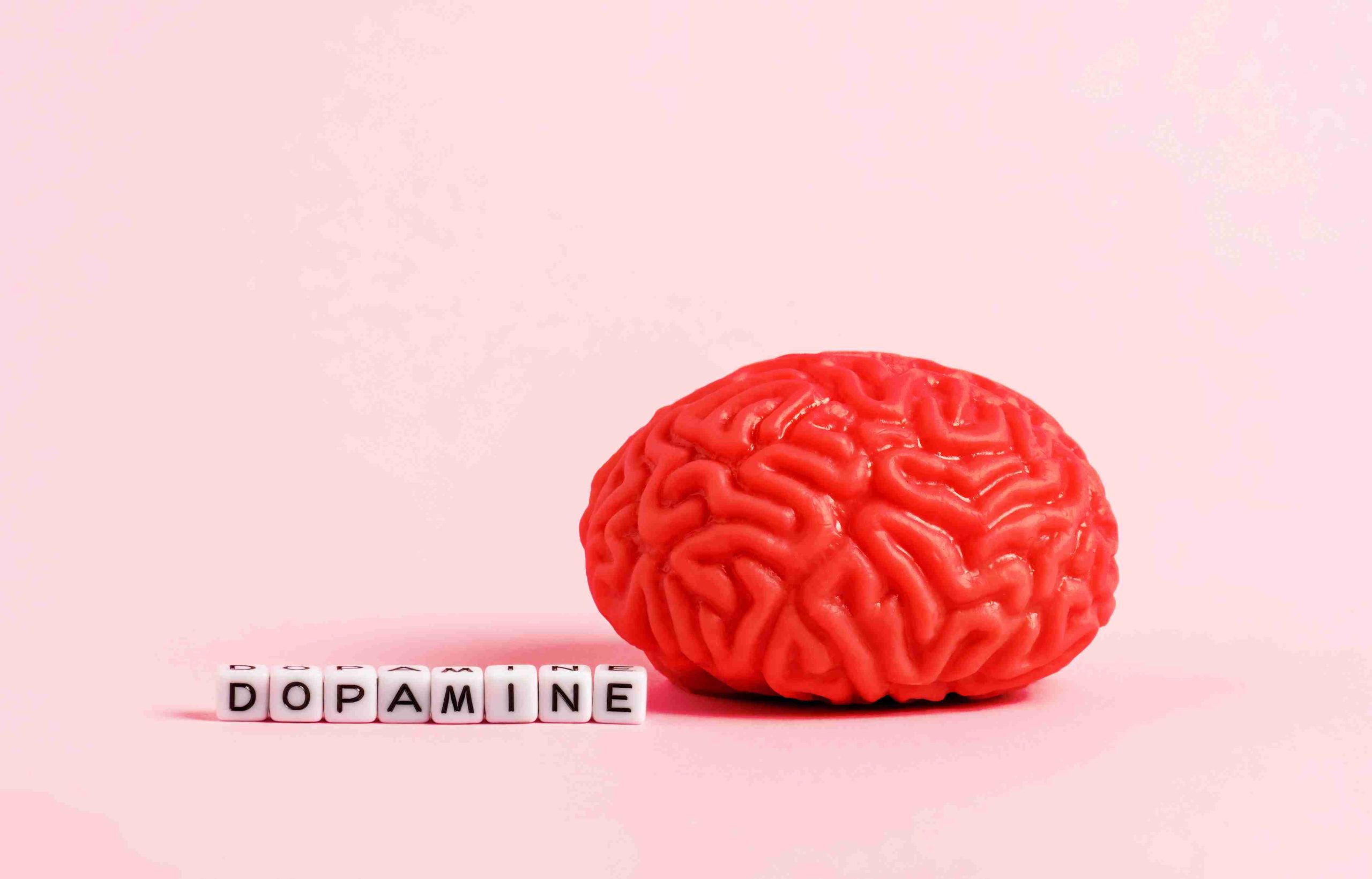
Skin care discussions often focus on ingredients, formulations, and product technology. However, one of the most important factors influencing long-term results is often overlooked: consistency of using skin care. Even well-designed routines depend on repeated behavior over time. This is where behavioral science becomes relevant. Human habits are strongly influenced by neurological systems related to motivation, reward, and routine formation, particularly those involving dopamine signaling.
Understanding how dopamine influences habits provides a more realistic perspective on why some routines become sustainable while others are quickly abandoned.
What Is Dopamine?
Dopamine is a neurotransmitter involved in motivation, learning, and reward-related behavior. Contrary to common misconceptions, dopamine is not simply the “pleasure chemical.”
Its primary role is associated with:
- Motivation and anticipation
- Reinforcement learning
- Behavioral repetition
- Goal-directed activity
Dopamine helps the brain determine which behaviors are worth repeating based on perceived outcomes and environmental cues.
Habit Formation and Repetition
Habits develop through repeated behavioral loops. Over time, the brain becomes more efficient at performing familiar actions with less conscious effort.
Habit formation generally involves:
- A cue or trigger
- A repeated behavior
- A reinforcing outcome
When this cycle repeats consistently, behaviors become increasingly automatic.
Skin care routines operate within the same behavioral framework.
Why Skin Care Consistency Is Difficult
One challenge with skin care habits is that outcomes are often delayed. Unlike behaviors that provide immediate feedback, skin-related changes usually occur gradually.
This delay affects behavioral reinforcement because the brain tends to prioritize:
- Immediate rewards
- Visible short-term outcomes
- Novel experiences
As a result, many people struggle to maintain routines long enough to observe meaningful changes.
Dopamine and Reward Expectation
Dopamine signaling is closely tied to expectation rather than outcome alone. Anticipation of a reward can strongly influence behavioral repetition.
In skin care routines, factors that may influence reward expectation include:
- Sensory experience
- Ritual structure
- Perceived progress
- Routine satisfaction
These factors can make routines feel more engaging, which may improve consistency over time.
The Role of Routine Design
Behavioral science suggests that sustainable routines are usually simple, repeatable, and easy to integrate into existing habits.
Overly complex routines may:
- Increase decision fatigue
- Reduce adherence
- Create inconsistency
Simplified routines reduce cognitive load and make repetition easier.
This is one reason why long-term consistency often matters more than routine complexity.
Environmental Cues and Habit Stability
Behavioral patterns are strongly influenced by environmental context.
Examples of cues include:
- Time of day
- Placement of products
- Existing daily rituals
When routines are attached to stable environmental cues, they are more likely to become automatic behaviors.
This process is known as contextual habit reinforcement.
Stress, Motivation, and Routine Disruption
Psychological stress may influence motivation and habit stability. Stress-related changes in behavior can disrupt routines, especially those that rely heavily on conscious effort.
This is relevant because stress signaling also influences skin biology through nervous system and immune pathways.
As a result, stress may affect both:
- Skin behavior
- Routine consistency
This creates an indirect relationship between behavioral regulation and skin outcomes.
Dopamine and Novelty-Seeking Behavior
The brain naturally responds to novelty, which can influence consumer behavior in the skincare industry.
This may lead to:
- Frequent product switching
- Inconsistent routines
- Difficulty evaluating long-term effects
Behaviorally, novelty can create temporary motivation spikes, but excessive switching may reduce routine stability.
This highlights the difference between motivation and sustainable behavior.
Ritual Psychology and Skin Care
Skin care routines are not purely functional. For many individuals, they also operate as rituals associated with self-regulation and routine structure.
Ritualized behaviors may contribute to:
- Perceived consistency
- Psychological reinforcement
- Daily structure and predictability
Behavioral science suggests that routines tied to identity and personal meaning are often easier to maintain long term.
Biological Systems and Behavioral Consistency
Long-term skin maintenance depends on biological processes that occur gradually, including:
- Cellular turnover
- Barrier regulation
- Protein maintenance
- Metabolic balance
Because these systems function over extended timeframes, consistency becomes more important than short-term intensity.
Behavioral patterns therefore play a major role in how effectively routines align with biological processes.
Botanical Wellness and Routine Integration
Plant-based wellness products are often incorporated into broader lifestyle routines rather than used as isolated interventions.
For example, Pueraria mirifica is traditionally used within structured wellness practices in Southeast Asia rather than as a single short-term solution.
This reflects the broader principle that consistency and behavioral integration influence how routines are maintained over time.
Why Behavioral Science Matters in Skin Care
Modern skin science increasingly recognizes that outcomes are influenced not only by ingredients but also by human behavior.
Behavioral factors affect:
- Product adherence
- Routine consistency
- Long-term maintenance patterns
Without consistency, even scientifically sound routines may fail to align with the biological timescales required for visible changes.
A Systems-Based Perspective
Skin care consistency sits at the intersection of:
- Neuroscience
- Behavioral psychology
- Biological regulation
- Lifestyle patterns
This systems-based perspective provides a more realistic understanding of how routines influence long-term skin maintenance. Rather than focusing only on products, it considers how human behavior shapes repeated daily actions.
Final Thoughts
Dopamine plays an important role in motivation, habit formation, and behavioral repetition. These neurological processes influence whether skin care routines become sustainable over time. Because many biological skin processes operate gradually, consistency is one of the most important factors in long-term routine effectiveness.
Understanding the behavioral science behind habits helps explain why successful skin care is not only about selecting ingredients. It is also about designing routines that align with how the brain forms and maintains behavior over time.