
The case for a specialist
We sell one plant, and we know where every gram of it came from
A catalogue store carries Pueraria mirifica among four hundred other things. We carry twelve products, all from the same root, all traceable to the same farms.
The plant
A root from northern Thailand, used long before it was studied
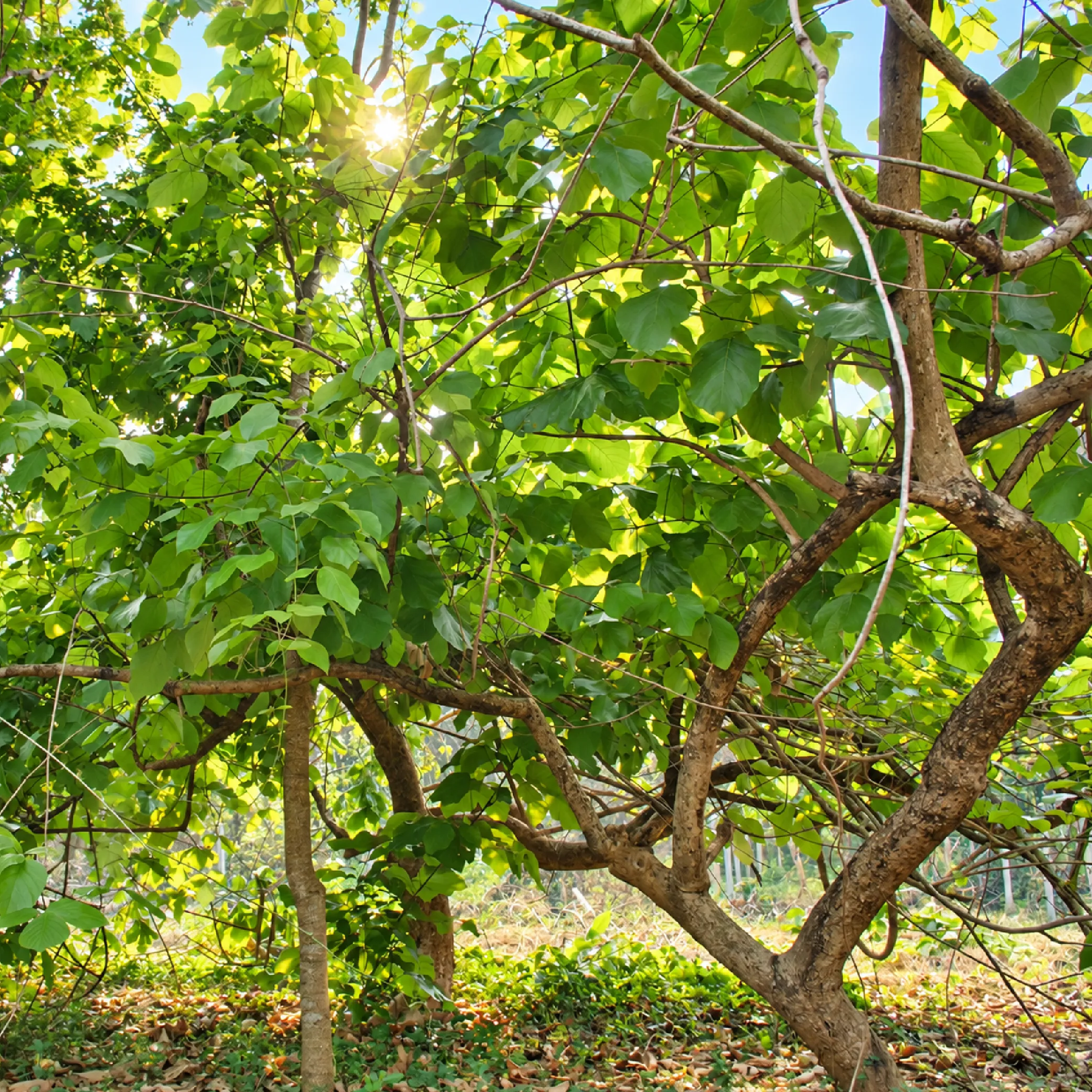
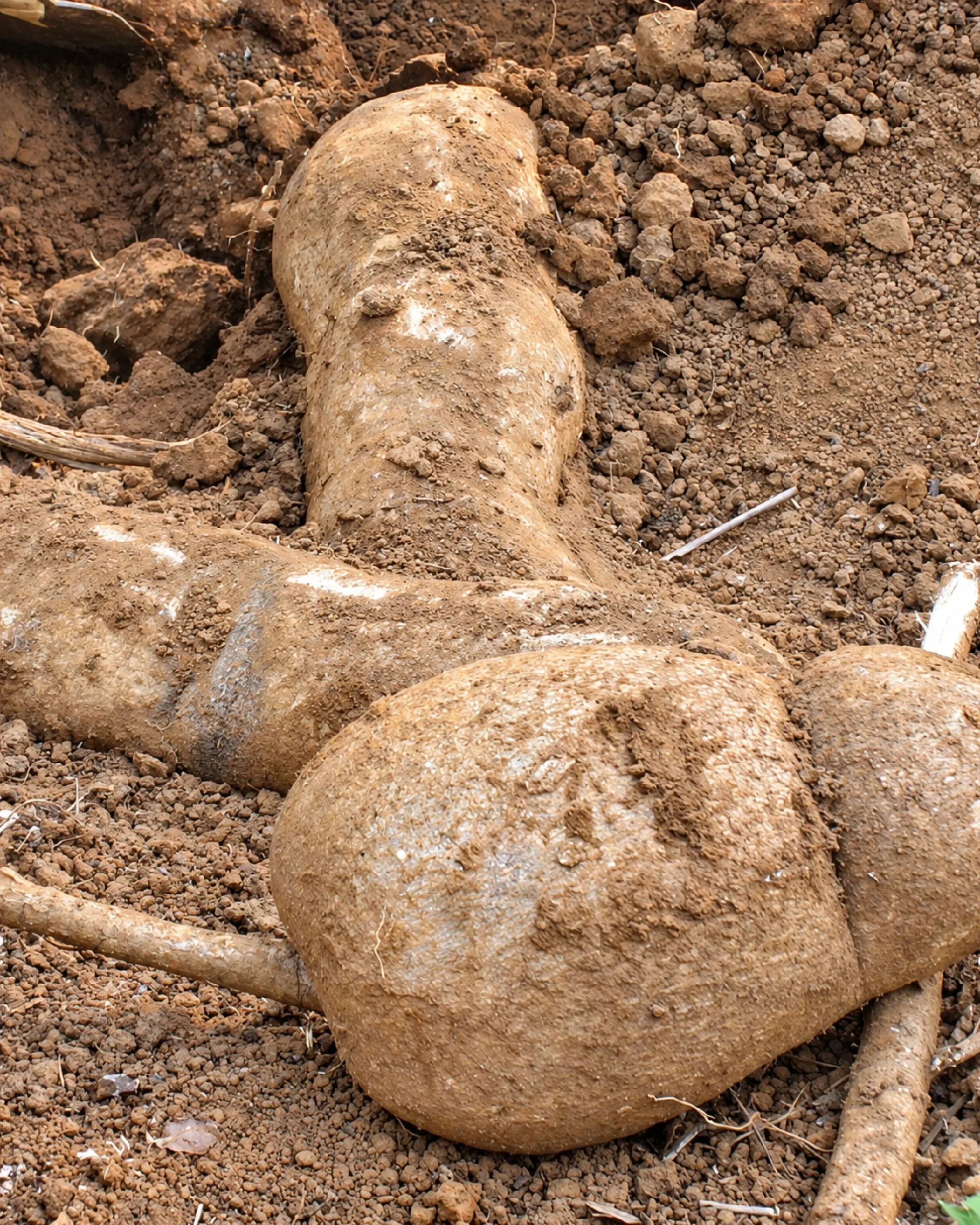
Pueraria mirifica grows wild in the highland forests of northern Thailand and Myanmar, where its tuberous root has been used in traditional preparations for centuries. Western pharmacology only isolated its two signature compounds — miroestrol and deoxymiroestrol — in the twentieth century.
Those compounds are the reason the plant is interesting: they bind to oestrogen receptors far more selectively than the soy isoflavones most botanical products rely on. Selectivity is also why concentration has to be measured rather than assumed.
Compound 01
Miroestrol
The most studied phytoestrogen in the root, and the one we standardise every batch against.
Compound 02
Deoxymiroestrol
More potent but less stable, which is why extraction temperature and time-to-processing matter.
Why it matters
Standardisation
Root potency varies with age, soil and season. Without an assay, “extract” is a word, not a dose.
- Products, all from one root
- 12
- Selling Pueraria mirifica since
- 2014
- Chiang Rai highland farms
- Single origin
- Certified manufacturing
- GMP · HACCP
From root to bottle
Five steps, one supply chain
-
Grown
Our own highland plantation in Chiang Rai province, no wild harvesting.
-
Harvested at over 5 years
Younger roots carry too little miroestrol to standardise reliably.
-
Extracted
Low-temperature extraction at our own facility, same week as harvest.
-
Assayed
Each batch tested for miroestrol, deoxymiroestrol and heavy metals.
-
Bottled & lot-numbered
The lot number on your bottle maps to a published assay.
Quality
What we test, and what we publish
Every batch carries a lot number. Enter it on any product page to see the assay for that exact production run.
Actives, quantified
Miroestrol and deoxymiroestrol content per batch — not a vague “root extract” claim.
Contaminant testing
Heavy metals, microbial load and pesticide residue screened before release.
Stability
Shelf life verified at Thai ambient conditions, which is harsher than most testing.
Specialist vs catalogue
The honest difference, in the places it actually shows up.
A general store
- Pueraria is one SKU among hundreds.
- “Root extract” with no stated concentration.
- Support staff answer for the whole catalogue.
- No guidance on how long to stay on it.
This store
- Twelve products, all one botanical.
- Standardised, batch-assayed actives.
- Specialists who only answer Pueraria questions.
- A routine with checkpoints at weeks 4, 8 and 12.
Questions we get every week
How long before anything happens?
Texture changes around week four; anything structural takes eight to twelve. Anyone promising results in a fortnight is selling you hydration and calling it something else.
Is it the same as soy isoflavones?
No. Miroestrol and deoxymiroestrol bind oestrogen receptors far more selectively than soy isoflavones, which is why dose and standardisation matter more here, not less.
Who should not take it?
Anyone pregnant or breastfeeding, and anyone with a hormone-sensitive condition without speaking to their doctor first. We would rather lose the sale.
Capsules, topicals, or both?
Both, for most people. Capsules work systemically and slowly; topicals work where you apply them. The routine finder picks the split based on your goal.
Know the plant. Now pick the routine.
Three questions, sixty seconds, no account needed.