
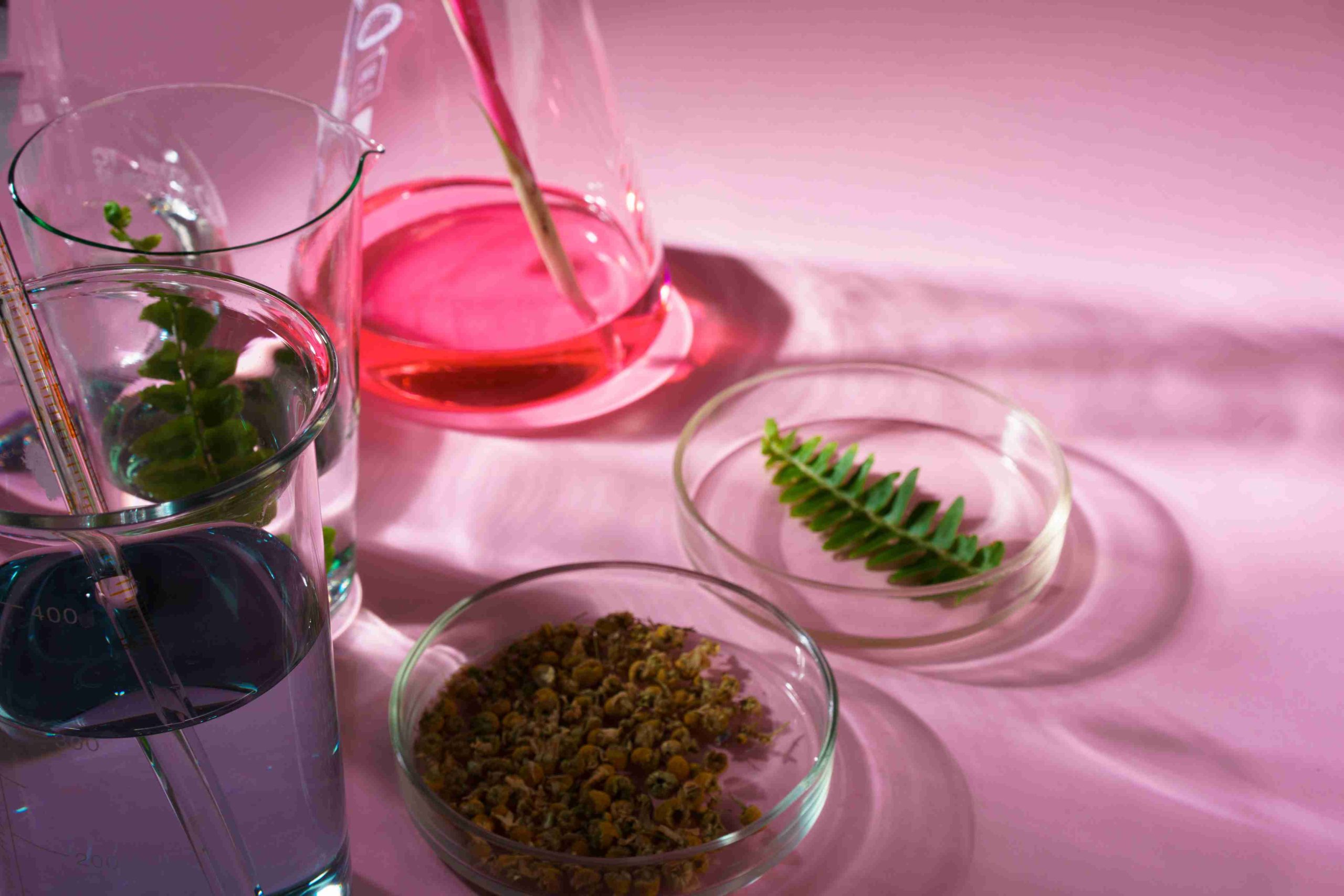
Modern herbal science increasingly focuses on phytochemical quality, extraction precision, and formulation performance. However, one critical factor is often overlooked in wellness discussions: phytochemical stability.
Plant compounds are naturally sensitive to environmental conditions. Heat, oxygen, moisture, ultraviolet light, and storage methods can all influence how herbal compounds behave over time. Even highly concentrated extracts may gradually lose functional activity if stability is poorly maintained.
This is why modern botanical formulation science does not focus only on ingredient selection. Researchers and manufacturers also examine how compounds remain stable during processing, packaging, transport, and long-term storage.
What Are Phytochemicals?
Phytochemicals are naturally occurring compounds produced by plants. These molecules help plants respond to environmental stress, regulate growth, and protect against external threats.
Common phytochemical categories include:
- Polyphenols
- Flavonoids
- Terpenes
- Alkaloids
- Lignans
- Carotenoids
These compounds are frequently studied for their interaction with biological pathways related to oxidative regulation, signaling systems, and metabolic function.
Many modern wellness formulations use standardized botanical ingredients from plants such as Pueraria Mirifica extracts to improve consistency and formulation precision.
Why Stability Matters in Herbal Products
Consumers often assume that an herbal product maintains the same potency from production until expiration. In reality, phytochemical composition can gradually change over time.
Stability matters because degraded compounds may influence:
- Biological activity
- Absorption efficiency
- Oxidative behavior
- Product consistency
- Formulation effectiveness
This is especially important for botanical extracts containing sensitive compounds that are vulnerable to heat or oxygen exposure.
The Role of Oxidation
One of the most common causes of phytochemical degradation is oxidation. Oxidation occurs when compounds interact with oxygen and undergo chemical changes.
Some plant compounds are particularly sensitive to oxidative exposure, including certain polyphenols and volatile terpenes.
Oxidative degradation may alter aroma, color, stability, and functional activity within formulations.
How Heat Affects Herbal Compounds
Temperature is another major factor influencing phytochemical stability. Excessive heat during processing or storage may damage heat-sensitive compounds.
Heat exposure can contribute to:
- Breakdown of volatile compounds
- Loss of aromatic components
- Changes in molecular structure
- Reduced phytochemical concentration
This is one reason temperature-controlled extraction and storage conditions are increasingly important in advanced botanical manufacturing.
Light Exposure and UV Degradation
Ultraviolet light may also influence herbal stability. Certain compounds become chemically unstable when exposed to prolonged light exposure.
This explains why many botanical products are packaged in:
- Amber glass containers
- Opaque packaging
- UV-protective bottles
Protective packaging helps reduce environmental stress on sensitive phytochemicals.
Moisture and Hydrolysis
Moisture exposure may trigger chemical reactions that influence compound stability. In some cases, water-related degradation processes known as hydrolysis can alter molecular structure.
Powders, capsules, and dried extracts may gradually lose stability if exposed to excessive humidity during storage.
This is why moisture control is an important part of professional formulation practices.
Why Extraction Methods Influence Stability
The extraction process itself strongly affects long-term phytochemical stability.
Factors influencing stability include:
- Extraction temperature
- Solvent type
- Filtration methods
- Drying technology
- Residual moisture levels
Poor processing methods may damage sensitive compounds before the product even reaches consumers.
Standardized Extracts and Stability Control
Standardized extracts are often used because they provide more consistent phytochemical profiles and improved manufacturing precision.
Modern botanical brands increasingly rely on standardized herbal formulations to help maintain consistency, stability, and quality control.
Consistency becomes especially important when working with biologically active compounds that may naturally vary between harvests.
The Role of Packaging in Herbal Quality
Packaging plays a major role in preserving herbal stability over time.
Advanced packaging strategies may help reduce exposure to:
- Oxygen
- Moisture
- UV light
- Temperature fluctuation
Modern wellness brands increasingly focus on packaging science because formulation quality can deteriorate even after manufacturing is complete.
Bioavailability and Degradation
Degraded compounds may influence bioavailability and biological interaction. Even if a product initially contains high phytochemical concentrations, instability may reduce functional effectiveness over time.
This is why modern botanical science increasingly examines not only ingredient concentration, but also long-term compound preservation and delivery stability.
The Future of Stability-Focused Formulation Science
As herbal science advances, formulation strategies are becoming more sophisticated. Future innovation will likely focus on:
- Advanced encapsulation systems
- Oxygen-resistant packaging
- Controlled release technologies
- Improved phytochemical preservation methods