
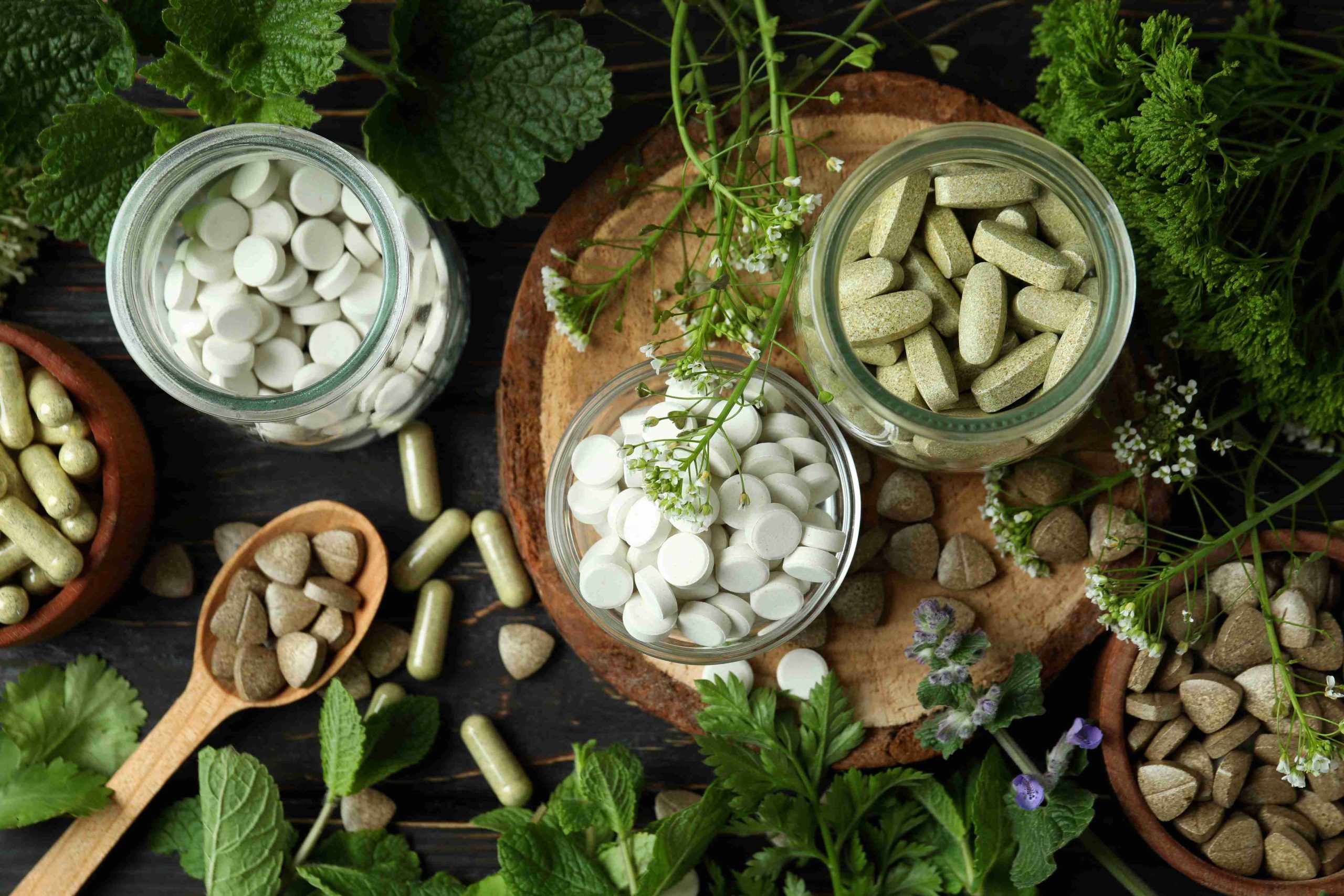
The herbal supplement industry has changed dramatically over the past decade. Consumers today are exposed to a wide range of wellness products positioned through very different branding strategies. Some brands emphasize laboratory testing, formulation precision, and scientific language, while others focus on heritage, traditional knowledge, and natural wellness philosophy.
This contrast has created two dominant approaches in the botanical market: clinical branding and traditional branding.
Both strategies influence how consumers perceive product quality, safety, effectiveness, and trustworthiness. However, branding in herbal wellness extends beyond packaging aesthetics. It reflects deeper shifts in consumer psychology, formulation science, and the evolving relationship between traditional medicine and modern wellness culture.
What Is Clinical Branding?
Clinical branding uses scientific positioning to communicate credibility and formulation sophistication. These brands often resemble pharmaceutical or dermatological products in their visual identity and messaging.
Clinical-style herbal products commonly emphasize:
- Standardized extracts
- Laboratory testing
- Bioavailability research
- Ingredient concentration
- Manufacturing quality control
- Evidence-informed formulation
Packaging often features minimal design, clean typography, scientific terminology, and neutral color palettes intended to communicate precision and trust.
What Is Traditional Branding?
Traditional branding emphasizes the cultural and historical roots of herbal wellness. These brands often focus on botanical storytelling, heritage practices, and plant-centered wellness traditions.
Traditional herbal branding may highlight:
- Ancient wellness systems
- Traditional botanical knowledge
- Natural sourcing narratives
- Regional herbal heritage
- Whole-plant philosophy
Visual design often incorporates natural imagery, botanical illustrations, earthy tones, and emotionally driven wellness messaging.
Why Consumer Perception Matters
Branding strongly influences how consumers evaluate herbal products. Research in consumer psychology suggests that visual presentation and messaging can shape perceptions of effectiveness, safety, and quality.
Clinical branding may increase trust among consumers seeking measurable formulation standards and science-oriented positioning.
Traditional branding may resonate more strongly with consumers who value natural wellness, cultural authenticity, and holistic health philosophies.
The Rise of Science-Based Herbal Positioning
Modern consumers increasingly seek transparency and scientific credibility in wellness products. This trend has contributed to the rapid growth of clinically positioned herbal supplements.
Many modern botanical brands now emphasize:
- Standardized phytochemical profiles
- Third-party testing
- Stability-focused formulations
- Bioavailability optimization
- Advanced extraction methods
This shift reflects broader consumer demand for products that combine natural ingredients with modern formulation science.
The Continued Power of Traditional Wellness Narratives
Despite growing scientific positioning, traditional wellness branding remains highly influential in the botanical industry.
Many consumers continue to value herbal products connected to long-standing cultural practices and regional botanical traditions.
For example, plants such as Pueraria Mirifica are often positioned through both scientific and traditional narratives, combining standardized extraction with heritage-based botanical identity.
This dual positioning reflects how modern wellness consumers increasingly seek both authenticity and scientific reassurance.
How Formulation Science Changed Branding
Advances in botanical science have significantly influenced how herbal products are marketed.
Modern formulation technologies now focus on:
- Phytochemical preservation
- Absorption efficiency
- Delivery systems
- Stability testing
- Controlled extraction methods
As formulation science becomes more sophisticated, branding increasingly incorporates scientific language related to bioavailability, standardization, and manufacturing quality.
Minimalism and Clinical Aesthetics
Clinical branding often uses minimalist design principles to create perceptions of precision and professionalism.
These products commonly feature:
- Simple packaging layouts
- Muted color palettes
- Laboratory-inspired terminology
- Ingredient-focused communication
This aesthetic approach is especially common in modern skincare supplements and beauty-from-within products.
Emotional Connection in Traditional Branding
Traditional branding often focuses more heavily on emotional wellness narratives and sensory identity.
Consumers may associate traditional herbal branding with:
- Natural lifestyle values
- Cultural continuity
- Holistic self-care rituals
- Plant-centered wellness traditions
This emotional dimension can create strong consumer loyalty and long-term brand identity.
The Future: Hybrid Branding Models
The future of herbal wellness branding may increasingly combine both clinical and traditional elements.
Many modern brands now integrate:
- Scientific formulation language
- Traditional botanical storytelling
- Evidence-informed positioning
- Natural wellness aesthetics
This hybrid approach reflects changing consumer expectations. Buyers increasingly want products that feel both scientifically credible and naturally authentic.
Why Transparency Matters More Than Branding Style
Whether a brand appears clinical or traditional, transparency remains one of the most important indicators of quality.
Consumers increasingly evaluate products based on:
- Ingredient sourcing
- Manufacturing standards
- Testing practices
- Formulation consistency
- Clear product information
As wellness education grows, consumers are becoming more sophisticated in distinguishing meaningful formulation quality from purely aesthetic marketing.
Explore Modern Botanical Wellness Formulations
Discover professionally developed herbal products that combine modern formulation science with botanical wellness expertise.
Explore ProductsFinal Thoughts
Clinical and traditional branding represent two powerful approaches within the herbal supplement industry. One emphasizes scientific precision and measurable quality standards, while the other highlights botanical heritage and holistic wellness identity.
As consumer expectations continue evolving, the most successful herbal brands may be those that balance scientific credibility with authentic botanical storytelling.
Ultimately, long-term trust depends not only on branding style, but also on formulation integrity, transparency, and product quality.
Frequently Asked Questions
What is clinical branding in herbal supplements?
Clinical branding uses scientific positioning, standardized extracts, and formulation-focused messaging to communicate product credibility.
What defines traditional herbal branding?
Traditional branding emphasizes botanical heritage, cultural wellness practices, and plant-centered storytelling.
Why do consumers trust clinical branding?
Consumers often associate clinical branding with laboratory testing, formulation precision, and scientific credibility.
Can traditional herbal branding still be effective?
Yes. Many consumers value authenticity, cultural identity, and holistic wellness narratives associated with traditional branding.
What is hybrid branding in herbal wellness?
Hybrid branding combines scientific formulation positioning with traditional botanical storytelling and wellness aesthetics.
What matters more than branding style?
Transparency, sourcing quality, testing standards, and formulation consistency are more important than branding style alone.