
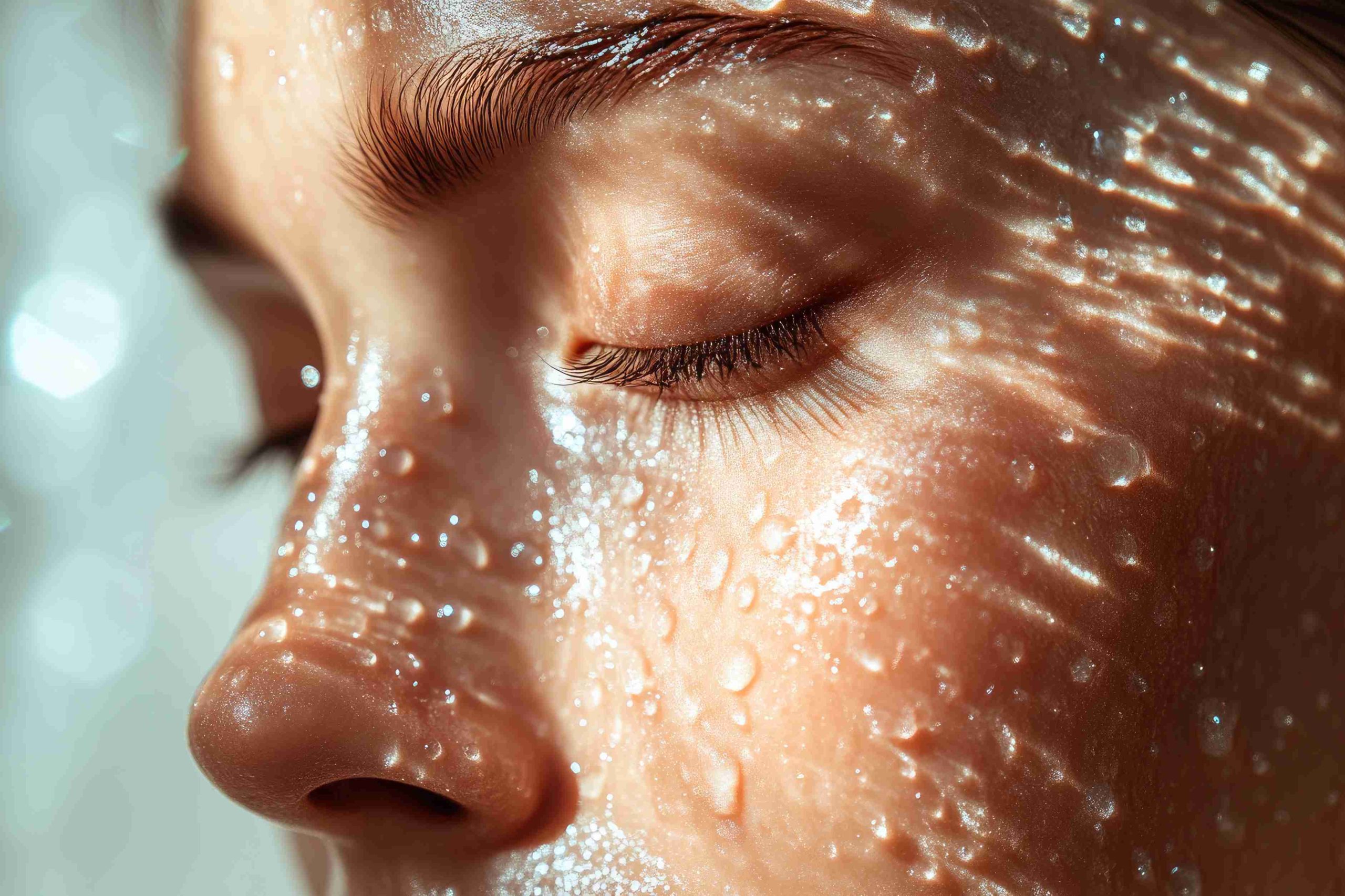
When people talk about healthy skin, hydration often receives most of the attention. Moisturizers, hyaluronic acid products, and water intake frequently dominate skincare conversations. However, hydration represents only one aspect of skin health.
Another important factor is skin oxygenation, which refers to the delivery and utilization of oxygen by skin cells. While hydration helps maintain moisture balance and barrier function, oxygen supports cellular energy production and metabolic activity.
Because both processes influence skin appearance, many consumers assume they are closely related or even interchangeable. In reality, oxygenation and hydration support different biological functions and affect the skin in unique ways.
What Is Skin Hydration?
Skin hydration refers to the amount of water present within the skin’s layers. Adequate hydration helps maintain flexibility, smooth texture, and barrier performance.
The outermost layer of skin, known as the stratum corneum, relies on water to remain healthy and functional.
- Supports skin softness and suppleness
- Helps maintain barrier integrity
- Reduces the appearance of dryness
- Supports skin comfort
- Helps improve surface smoothness
When hydration levels decline, skin may appear rough, tight, flaky, or dull.
What Is Skin Oxygenation?
Skin oxygenation refers to the availability and use of oxygen within skin tissues. Oxygen reaches skin through circulation and supports cellular metabolism.
Cells require oxygen to generate adenosine triphosphate (ATP), the primary energy molecule that powers biological activity.
- Supports cellular energy production
- Contributes to tissue maintenance
- Supports metabolic activity
- Helps coordinate repair processes
- Supports healthy cellular function
Without sufficient oxygen, cells cannot efficiently produce the energy required for normal biological processes.
Why People Often Confuse Oxygenation and Hydration
Both hydration and oxygenation influence how skin looks and feels. Well-hydrated skin often appears smoother and more radiant, while efficient cellular function can contribute to a healthy-looking complexion.
Because both factors support skin vitality, many people mistakenly assume they perform the same role.
A Simple Comparison
Skin Hydration
- Relates to water content
- Supports barrier function
- Affects softness and flexibility
- Influenced by moisturizers and water retention
Skin Oxygenation
- Relates to oxygen availability
- Supports cellular metabolism
- Influences energy production
- Depends on circulation and cellular function
Both processes contribute to healthy skin, but they address different physiological needs.
The Role of Oxygen in Cellular Energy Production
Every skin cell requires energy to perform daily functions. Cells generate most of this energy through cellular respiration, a process that uses oxygen to produce ATP.
ATP powers numerous activities, including protein synthesis, cellular maintenance, and tissue renewal. Efficient oxygen utilization helps support these processes throughout the skin.
This is one reason why modern skin science increasingly focuses on cellular health rather than surface appearance alone.
Why Hydration Supports the Skin Barrier
The skin barrier serves as the body’s first line of defense against environmental challenges. Hydration helps maintain this barrier by supporting the structure of the outer skin layers.
- Helps reduce moisture loss
- Supports skin flexibility
- Maintains surface comfort
- Contributes to a smoother appearance
- Supports overall barrier resilience
Because the barrier influences many aspects of skin health, hydration remains an essential component of any skincare strategy.
How Lifestyle Influences Both Factors
Several lifestyle habits affect both oxygenation and hydration, although they do so through different mechanisms.
- Regular physical activity
- Quality sleep
- Balanced nutrition
- Stress management
- Healthy circulation
- Consistent skincare practices
These habits help support the biological systems that contribute to long-term skin wellness.
Why Modern Beauty Science Looks Beyond Moisture Alone
Traditional skincare often focused primarily on hydration. Today, researchers take a broader view of skin health that includes energy metabolism, cellular communication, barrier function, and recovery processes.
This shift reflects growing recognition that healthy-looking skin depends on multiple interconnected systems working together.
Hydration remains important, but it represents only one part of a larger biological picture.
The Future of Skin Vitality Research
Future skincare innovation will likely continue exploring how cellular energy, oxygen utilization, hydration, and biological resilience influence skin function.
Researchers increasingly study how these systems interact rather than viewing them as isolated factors.
This systems-based approach may help create more comprehensive wellness and beauty strategies in the years ahead.
Explore Beauty-From-Within Wellness Solutions
Discover professionally formulated botanical products designed to support healthy aging, skin wellness, and long-term vitality.
Explore ProductsFinal Thoughts
Skin oxygenation and skin hydration both contribute to healthy-looking skin, but they support different biological functions. Hydration helps maintain moisture balance and barrier performance, while oxygenation supports cellular energy production and metabolic activity.
Understanding the distinction helps create a more complete view of skin health. Rather than focusing on hydration alone, modern beauty science increasingly recognizes the importance of supporting the underlying biological systems that allow skin to function, adapt, and maintain vitality over time.
Frequently Asked Questions
What is skin oxygenation?
Skin oxygenation refers to the delivery and utilization of oxygen by skin cells to support cellular metabolism and energy production.
What is skin hydration?
Skin hydration refers to the water content within the skin that helps maintain softness, flexibility, and barrier function.
Are skin oxygenation and hydration the same thing?
No. Hydration relates to moisture balance, while oxygenation relates to oxygen availability and cellular energy production.
Why is oxygen important for skin cells?
Oxygen helps cells produce ATP, the energy molecule that powers cellular maintenance and biological functions.
How does hydration support skin health?
Hydration supports barrier integrity, skin flexibility, moisture retention, and overall skin comfort.
Why does modern beauty science study both oxygenation and hydration?
Researchers recognize that healthy skin depends on multiple biological systems, including moisture balance, cellular energy production, recovery, and barrier function.