
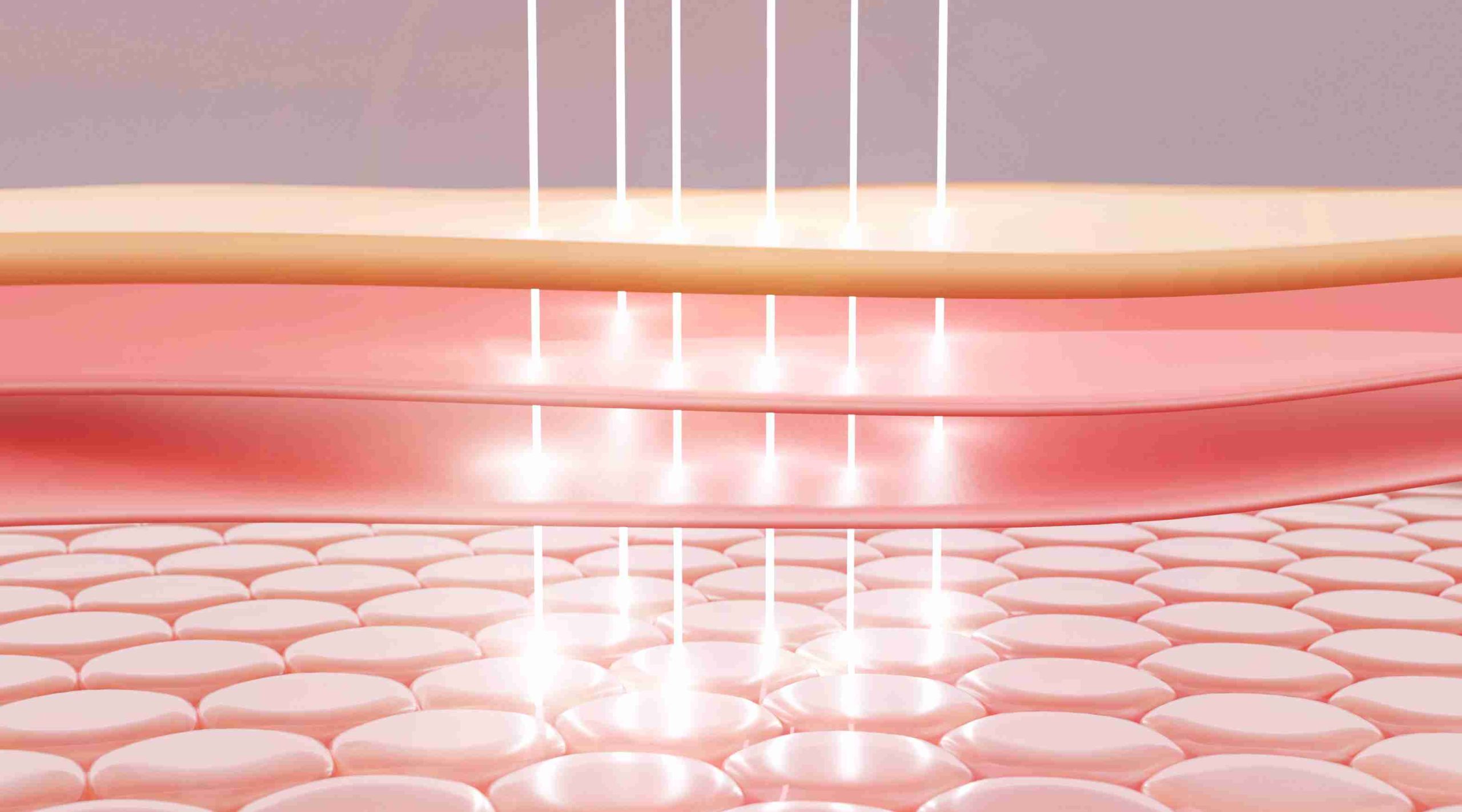
When people think about skin health, they often focus on structural components such as collagen, elastin, or moisture levels. While these factors are important, they represent the results of deeper biological processes occurring beneath the surface. One of the most important yet overlooked processes is cellular communication. Every second, billions of skin cells exchange signals that help regulate growth, repair, barrier maintenance, immune responses, and tissue renewal. Without these communication systems, skin would lose its ability to adapt, recover, and maintain a healthy appearance.
Modern skin science increasingly views skin as a highly coordinated biological ecosystem. Rather than functioning as isolated cells, skin tissues rely on constant information exchange that allows different cell types to work together efficiently.
What Is Cellular Communication?
Cellular communication refers to the process by which cells send, receive, and respond to biological signals. These signals allow tissues to coordinate activities and maintain normal physiological function.
Cells communicate through signaling molecules, receptors, growth factors, hormones, neurotransmitters, and other biochemical messengers.
- Cell-to-cell signaling
- Hormonal communication
- Growth factor activity
- Immune signaling pathways
- Nervous system communication
- Environmental sensing mechanisms
Together, these systems help the skin continuously adjust to changing conditions.
Why Skin Functions as a Communication Network
The skin is composed of multiple cell types, including keratinocytes, fibroblasts, melanocytes, immune cells, vascular cells, and nerve-associated cells. Each performs specialized functions, but none operates independently.
For healthy skin function to occur, these cells must coordinate their activities through signaling pathways.
This communication network allows the skin to maintain structure, resilience, and responsiveness throughout life.
The Role of Signaling in Skin Renewal
Skin continuously renews itself through a highly organized process. New cells are generated in deeper layers and gradually move toward the surface as older cells are shed.
Cellular communication helps regulate every stage of this renewal cycle.
- Cell growth regulation
- Differentiation processes
- Tissue organization
- Barrier maintenance
- Surface renewal coordination
When signaling pathways function efficiently, the skin can maintain a balanced renewal process that supports a healthy appearance.
How Fibroblasts Receive and Respond to Signals
Fibroblasts are among the most important cells within the dermis. They help maintain the extracellular matrix, which contains collagen, elastin, and other structural components.
These cells constantly receive signals from surrounding tissues, hormones, growth factors, and the extracellular environment.
The quality of these communication pathways influences how effectively fibroblasts respond to the body’s changing needs over time.
Growth Factors and Tissue Coordination
Growth factors are signaling molecules that help regulate communication between cells. They play important roles in tissue maintenance, repair processes, and cellular organization.
Researchers often study growth factor pathways because of their involvement in skin physiology and healthy aging.
- Cellular coordination
- Tissue maintenance
- Repair signaling
- Adaptive responses
- Biological communication networks
These signaling systems help ensure that tissues respond appropriately to changing conditions.
The Skin-Immune Communication Axis
The skin serves as both a physical barrier and an active immune organ. Immune cells within the skin continuously exchange information with neighboring cells.
This communication helps the skin monitor environmental changes and maintain biological balance.
Modern research increasingly recognizes that healthy skin depends on cooperation between structural cells and immune signaling pathways.
Hormones as Biological Messengers
Hormones represent another major communication system that influences skin appearance. These signaling molecules help coordinate activities throughout the body and can affect skin physiology in multiple ways.
Changes in hormonal signaling often influence hydration, barrier function, skin texture, and overall skin vitality.
This relationship explains why skin frequently reflects broader physiological changes occurring throughout the body.
The Connection Between Cellular Communication and Healthy Aging
One emerging area of longevity research focuses on how communication pathways change over time. Scientists have observed that aging affects not only individual cells but also the efficiency of signaling networks that connect them.
As communication becomes less coordinated, tissues may become less efficient at maintaining normal biological functions.
- Reduced signaling efficiency
- Slower adaptive responses
- Changes in tissue coordination
- Altered repair communication
- Shifts in cellular responsiveness
Researchers increasingly view communication quality as an important component of healthy aging.
Nutrition and Cellular Signaling
The body’s communication systems rely on adequate nutritional support. Vitamins, minerals, amino acids, fatty acids, and plant-derived compounds participate in numerous signaling pathways.
Researchers continue studying how nutrition influences cellular communication and biological responsiveness.
This systems-based perspective highlights the connection between diet, wellness, and skin health.
Botanical Compounds and Signaling Research
Many plant-derived compounds are currently being studied for their interactions with cellular signaling pathways. Polyphenols, flavonoids, terpenes, and other phytochemicals may influence how cells respond to environmental and metabolic conditions.
Scientists continue exploring these complex relationships as part of broader research into healthy aging and wellness.
This area of investigation reflects the growing interest in understanding how botanical diversity supports biological communication networks.
The Future of Skin Science Is Systems Biology
Traditional skincare discussions often focus on individual targets such as wrinkles, hydration, or collagen. Modern biology increasingly takes a systems approach that examines how multiple pathways interact simultaneously.
From hormones and immune signals to growth factors and cellular energy pathways, skin function emerges from a vast network of interconnected communications.
Understanding these networks may help researchers develop more comprehensive approaches to skin wellness in the future.
Support Beauty Through Whole-System Wellness
Explore premium botanical wellness products designed to complement healthy lifestyle habits and support long-term beauty-from-within strategies.
Explore ProductsFinal Thoughts
Cellular communication is one of the most fundamental processes underlying skin appearance. Every aspect of skin function, from renewal and barrier maintenance to adaptation and recovery, depends on coordinated signaling between cells.
As scientific understanding continues to evolve, researchers increasingly recognize that healthy skin reflects not only structural components but also the quality of communication networks operating beneath the surface. This signaling perspective offers a deeper understanding of how wellness, nutrition, recovery, and healthy aging influence skin vitality over time.
Frequently Asked Questions
What is cellular communication?
Cellular communication is the process by which cells exchange biological signals to coordinate activities and maintain normal tissue function.
Why is cellular communication important for skin?
Skin cells rely on communication networks to regulate renewal, repair, barrier maintenance, and adaptation to environmental changes.
What are signaling molecules?
Signaling molecules include hormones, growth factors, neurotransmitters, and other biochemical messengers that help cells exchange information.
How do growth factors influence skin?
Growth factors help coordinate cellular activities related to tissue maintenance, communication, and biological adaptation.
Does aging affect cellular communication?
Research suggests that aging can influence the efficiency of signaling networks, affecting how cells coordinate biological processes.
Can nutrition influence cellular signaling?
Yes. Nutrients and plant-derived compounds participate in numerous biological pathways involved in cellular communication and wellness.