
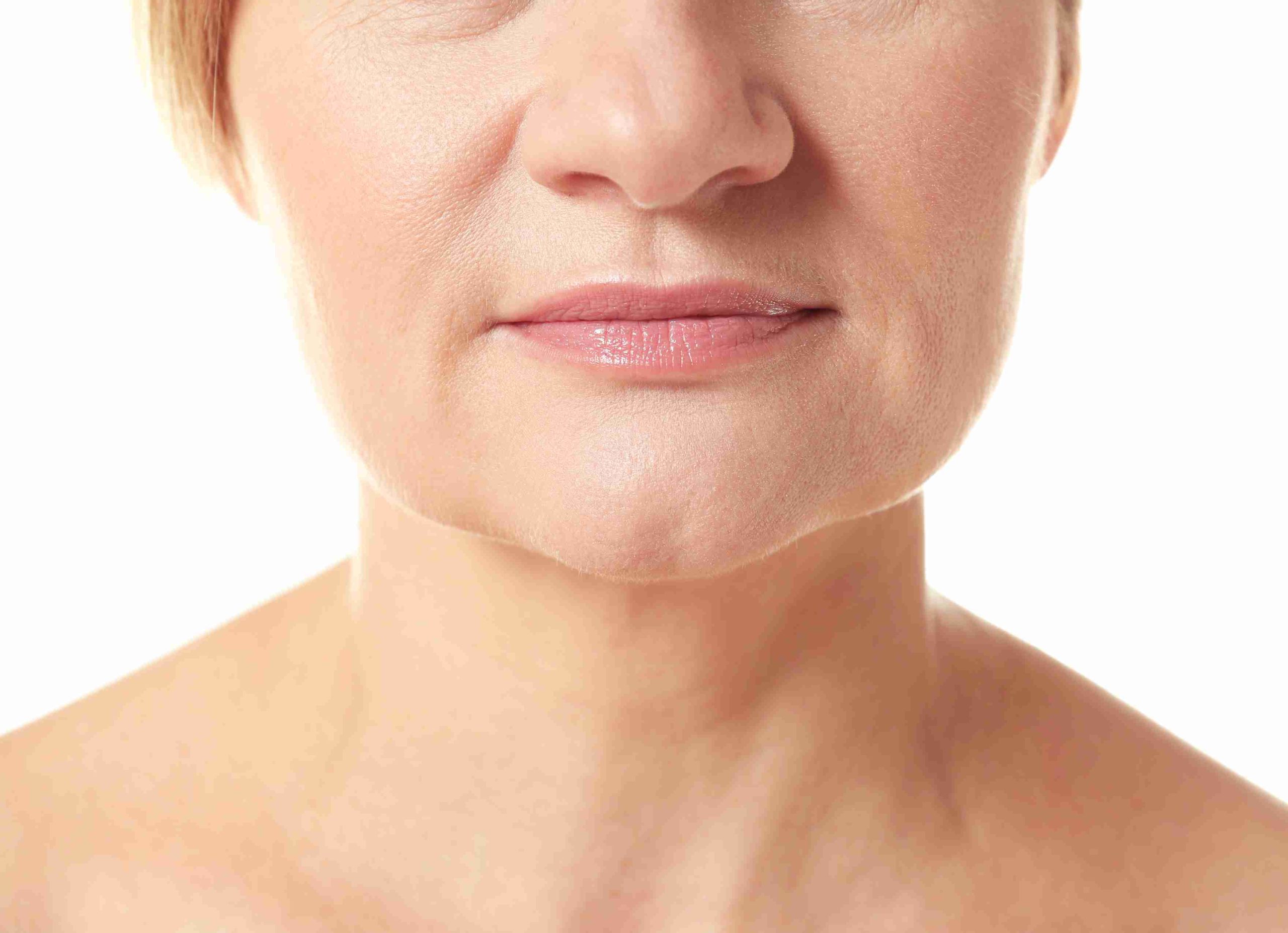
Skin elasticity refers to the skin’s natural ability to stretch and return to its original shape. This flexibility is maintained by a complex network of collagen, elastin, extracellular matrix components, and supportive skin cells working together beneath the surface.
When these structural elements remain healthy, skin appears firm, resilient, and smooth. As they gradually change with age and environmental exposure, skin becomes less capable of maintaining its original structure.
Why Elasticity Declines Over Time
Loss of skin elasticity is not simply a surface-level change. It reflects gradual structural remodeling within the dermis, where collagen fibers, elastin networks, and supporting molecules naturally undergo continuous renewal throughout life.
As people age, the production and organization of these structural proteins become less efficient. External factors such as ultraviolet radiation, pollution, smoking, poor nutrition, and chronic stress may further accelerate these natural changes.
Skin firmness depends on maintaining the health of its internal support network, not simply treating the surface appearance.
The Structural Components That Matter
Collagen
Collagen provides much of the skin’s strength and structural support. Healthy collagen organization contributes to firmness and resilience.
Elastin
Elastin fibers allow skin to stretch and return to its original shape after movement and facial expression.
Extracellular Matrix
This supportive environment surrounds skin cells and helps maintain hydration, structural integrity, and communication between tissues.
Fibroblasts
Fibroblasts are specialized skin cells responsible for producing collagen, elastin, and other important structural proteins that maintain healthy skin architecture.
Factors That Influence Skin Structure
Both intrinsic and external factors contribute to structural skin aging. Natural aging gradually reduces collagen turnover, while environmental exposure may increase oxidative stress that affects skin proteins over time.
Daily habits also play an important role. Adequate sleep, balanced nutrition, regular hydration, sun protection, and gentle skincare practices help support healthy skin structure throughout life.
Maintaining healthy skin is not about reversing time. It is about supporting the biological structures that naturally keep skin resilient and healthy-looking.
Supporting Healthy Skin Elasticity
Although aging cannot be stopped, healthy lifestyle habits and well-formulated skincare products may help support the appearance of firm, healthy-looking skin.
Botanical ingredients such as Pueraria Mirifica are frequently incorporated into cosmetic formulations because they contain naturally occurring phytoestrogens and plant-derived compounds of scientific interest. These ingredients are commonly used as part of comprehensive skincare routines designed to maintain skin quality and hydration.
Combining botanical skincare with sun protection, moisturization, antioxidant-rich nutrition, and healthy daily habits provides a practical strategy for supporting skin over the long term.
Support Healthy-Looking Skin with Premium Botanical Care
Explore carefully formulated Pueraria Mirifica skincare and wellness products designed to complement your daily beauty routine and support healthy-looking skin through every stage of life.
Frequently Asked Questions
What causes skin elasticity loss?
Skin elasticity gradually declines as collagen, elastin, and other structural components naturally change with age. Environmental factors such as UV exposure and pollution may also contribute.
Is loss of elasticity only a cosmetic issue?
No. Reduced elasticity reflects structural changes within the skin’s supporting framework, making it a biological process rather than simply a cosmetic concern.
How can healthy skin structure be supported?
Consistent skincare, sun protection, balanced nutrition, hydration, adequate sleep, and healthy lifestyle habits all contribute to maintaining healthy-looking skin.
Why are botanical ingredients used in skincare?
Many botanical ingredients contain naturally occurring plant compounds that are commonly included in skincare formulations designed to support skin hydration, appearance, and overall skin wellness.