
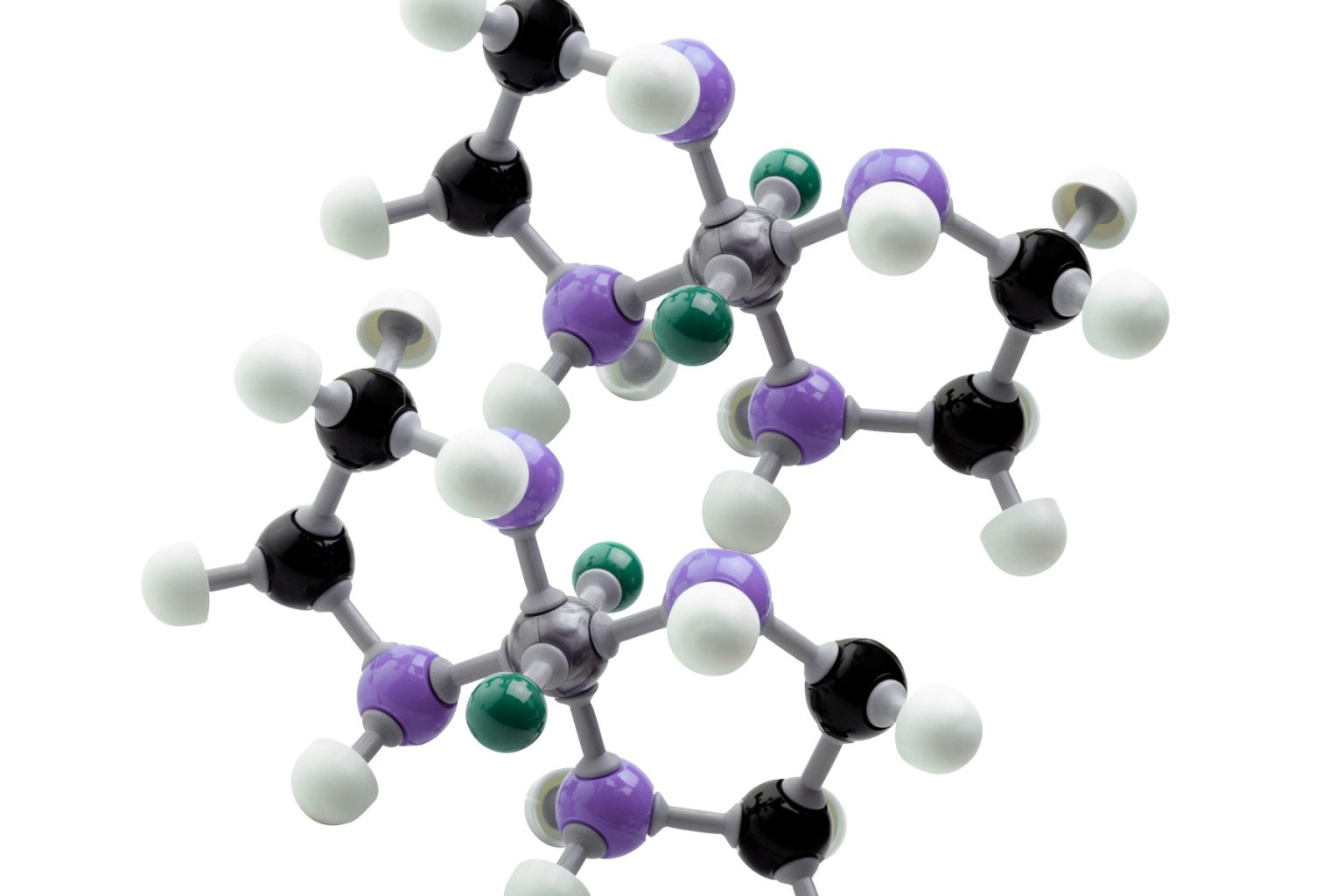
This article explains what the two receptors are, how they differ, and what laboratory research shows about plant compounds such as those found in Pueraria mirifica. It also marks clearly where the evidence stops.
What estrogen receptors are
Estrogen receptors are proteins inside cells that switch particular genes on or off when estrogen binds to them. For decades only one was known. In 1996, researchers at the Karolinska Institute cloned a second estrogen receptor from rat prostate and named it ER beta, to tell it apart from the original receptor, now called ER alpha (Kuiper et al., 1996). A human ER beta was described the same year (Mosselman et al., 1996).
- Receptor family
- Nuclear receptors (they act on genes)
- ER beta first described
- 1996, in rat and in human
- Where the two differ
- The ligand-binding domain and the N-terminal domain
ER alpha vs ER beta: the key differences
Both receptors bind the body’s main estrogen, 17β-estradiol, with high affinity (Kuiper et al., 1997). What differs is their structure, where they are found, and how strongly other compounds bind to each one.
| Feature | ER alpha | ER beta |
|---|---|---|
| Tissues with moderate to high expression (rat) | Uterus, testis, pituitary, ovary, kidney, epididymis, adrenal | Prostate, ovary, lung, bladder, brain, uterus, testis |
| Binding of 17β-estradiol | High affinity | High affinity |
| Binding of some phytoestrogens (coumestrol, genistein, apigenin, naringenin, kaempferol) | Weaker | Stronger |
The researchers concluded that these differences in binding and tissue distribution could help explain why the same estrogen-active compound can act differently from one tissue to another (Kuiper et al., 1997).
How plant compounds interact with ER beta
Phytoestrogens are plant compounds with estrogen-like activity. In a 1998 laboratory comparison, several of them, including coumestrol, genistein, apigenin, naringenin and kaempferol, competed more strongly for binding to ER beta than to ER alpha (Kuiper et al., 1998).
The same study found that phytoestrogens activated both receptor types in cell assays, with notable potency at ER beta (Kuiper et al., 1998). So “binds ER beta more strongly” does not mean “ignores ER alpha”.
Compounds that favor one receptor over the other are an active area of pharmaceutical research (Paterni et al., 2014).
Where Pueraria mirifica fits
Pueraria mirifica is a plant endemic to Thailand. It has been used in Thai folk medicine for nearly a century for its rejuvenating qualities, and at least 17 phytoestrogens, mainly isoflavones, have been isolated from it (Malaivijitnond, 2012). A 2026 review counted 106 secondary metabolites in the root (Zeng et al., 2026).
Both reviews also point to what is still missing. Optimal doses have not been established (Malaivijitnond, 2012), and pharmacokinetic data, consistent quality control, and long-term safety margins still need work (Zeng et al., 2026).
Why receptors matter for skin
Skin responds to estrogen. Estrogens act on keratinocytes, fibroblasts, melanocytes, hair follicles and sebaceous glands. After menopause, lower estrogen is associated with thinner skin, less collagen, lower elasticity and more dryness (Thornton, 2013).
The same review lists selective estrogen receptor modulators and phytoestrogens among the approaches being studied for skin aging (Thornton, 2013). Being studied does not mean the evidence is settled.
If you are comparing Pueraria mirifica formats, these are three from our range:
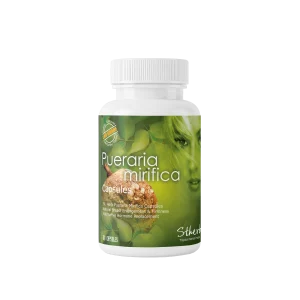
Core Pueraria Care
Breast Capsules 60 capsules

Advanced Nano Care
Nano Breast Cream
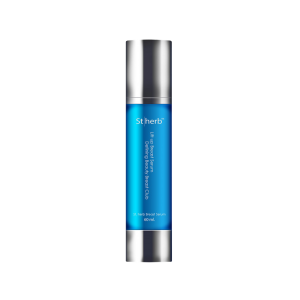
Core Pueraria Care
Breast Serum 60 ml
Using this when you read a label
Check what is in it
The label should name the plant, the part used, and the amount per serving.
Stay with the label dose
Dose-response data are still limited, so taking more is not a sensible shortcut.
Ask when unsure
If any point in the box above applies to you, check with a healthcare professional before you start.
Key takeaways
- ER alpha and ER beta both bind estrogen, but they differ in structure and in which tissues express them.
- ER beta was only identified in 1996, and much of what we know comes from laboratory and animal studies.
- Several phytoestrogens bind ER beta more strongly than ER alpha in the lab, but they activate both.
- Pueraria mirifica contains at least 17 phytoestrogens. Dose and long-term safety data are still being established.
Frequently asked questions
Is ER beta the “good” receptor and ER alpha the “bad” one?
No. Both are normal receptors the body uses. The research describes differences in structure, tissue distribution and binding, not a good and bad split.
Do the compounds in Pueraria mirifica act only on ER beta?
No. Laboratory studies show phytoestrogens can activate both receptor types, even when they bind ER beta more strongly. A plant extract also contains many different compounds, not just one.
Can receptor research tell me which product will work for me?
Not on its own. It explains mechanisms, mostly from lab and animal work. Follow the label dose and speak to a healthcare professional if you have a hormone-related condition.
Sources
- Kuiper GG, Enmark E, Pelto-Huikko M, Nilsson S, Gustafsson JA · Cloning of a novel receptor expressed in rat prostate and ovary · Proc Natl Acad Sci U S A · 1996 PubMed
- Mosselman S, Polman J, Dijkema R · ER beta: identification and characterization of a novel human estrogen receptor · FEBS Letters · 1996 PubMed
- Kuiper GG, Carlsson B, Grandien K, et al. · Comparison of the ligand binding specificity and transcript tissue distribution of estrogen receptors alpha and beta · Endocrinology · 1997 PubMed
- Kuiper GG, Lemmen JG, Carlsson B, et al. · Interaction of estrogenic chemicals and phytoestrogens with estrogen receptor beta · Endocrinology · 1998 PubMed
- Paterni I, Granchi C, Katzenellenbogen JA, Minutolo F · Estrogen receptors alpha (ERα) and beta (ERβ): subtype-selective ligands and clinical potential · Steroids · 2014 PubMed
- Malaivijitnond S · Medical applications of phytoestrogens from the Thai herb Pueraria mirifica · Frontiers of Medicine · 2012 PubMed
- Zeng H, Wen J, Chen M, et al. · Pueraria mirifica: a critical review of the ethnobotany, phytochemistry, pharmacology and challenges in standardization and safety · Frontiers in Pharmacology · 2026 PubMed
- Thornton MJ · Estrogens and aging skin · Dermato-Endocrinology · 2013 PubMed
These statements have not been evaluated by the Food and Drug Administration. This product is not intended to diagnose, treat, cure or prevent any disease.
Herbal supplements are not a substitute for medical advice. Talk to a healthcare professional before use if you are pregnant, breastfeeding, taking medication or being treated for a medical condition.
Published by
Pueraria Mirifica™