
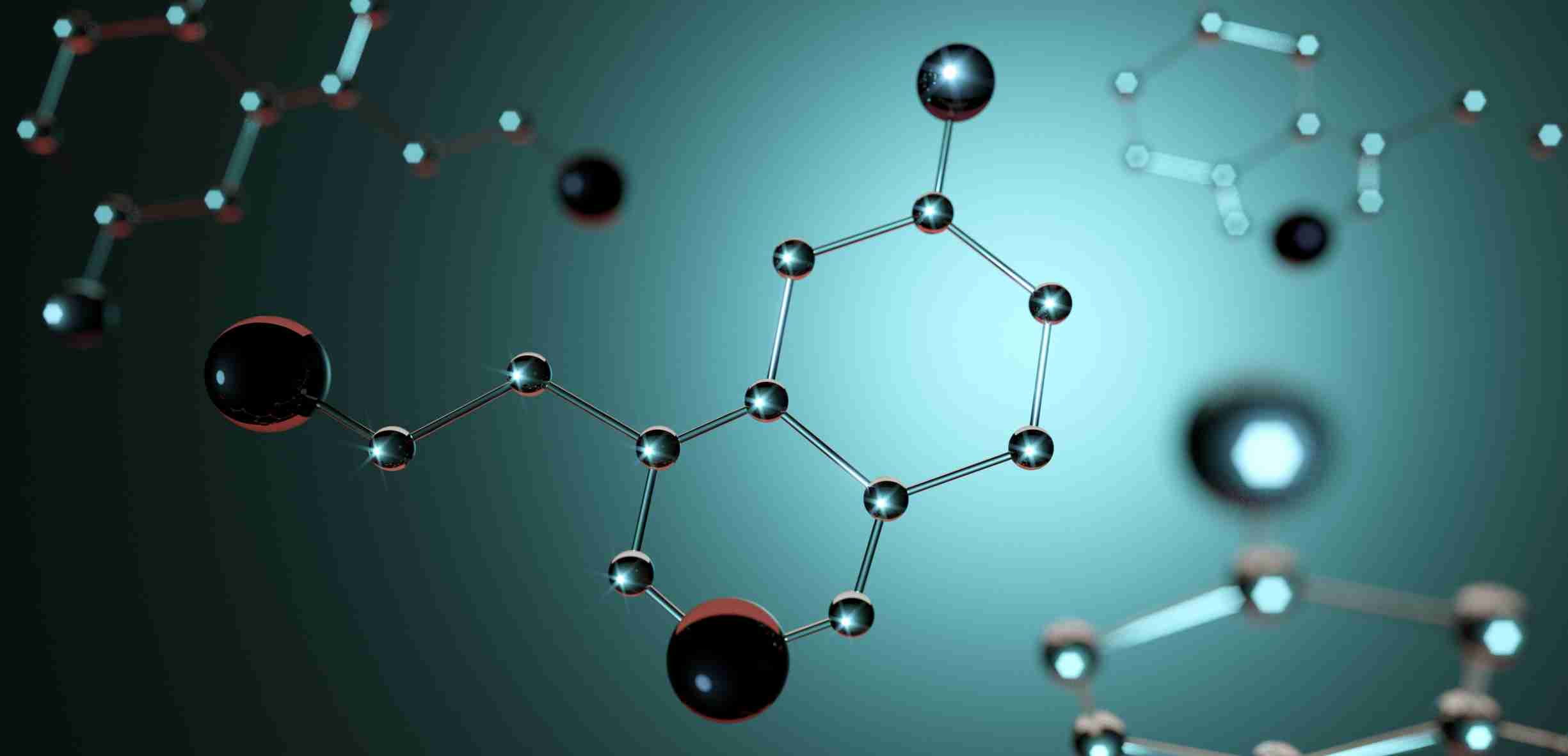
Botanical extracts contain a wide range of naturally occurring compounds that influence how plants interact with their environment. Among the most biologically active of these compounds are alkaloids. Alkaloids are nitrogen-containing molecules produced by plants as part of their adaptive and defensive systems. Historically, they have been studied in pharmacology and traditional herbal practices because of their strong physiological activity. Today, researchers are increasingly examining how alkaloids interact with pathways related to skin biology, nervous system signaling, and metabolic regulation.
As modern skin and wellness science moves toward systems-based understanding, alkaloids are gaining attention not simply as isolated plant chemicals, but as part of broader phytochemical networks that influence cellular communication and tissue function.
What Are Alkaloids?
Alkaloids are naturally occurring compounds found in many plants, fungi, and some microorganisms. They are characterized by the presence of nitrogen atoms within their chemical structure.
Plants produce alkaloids for several biological purposes, including:
- Defense against environmental stress
- Protection from predators and microbes
- Regulation of internal plant signaling
Many well-known plant compounds belong to the alkaloid category, including:
- Caffeine
- Theobromine
- Berberine
- Nicotine
These compounds vary significantly in biological activity depending on their structure and concentration.
Why Alkaloids Matter in Botanical Science
Alkaloids are often considered one of the most pharmacologically active categories of plant compounds.
Researchers study alkaloids because they may interact with:
- Nervous system signaling
- Cellular communication pathways
- Metabolic regulation systems
- Sensory receptor activity
Their biological activity is one reason many alkaloid-containing plants have long histories in traditional herbal practices.
However, modern research increasingly focuses on how these compounds function within complex biological systems rather than through simplified “active ingredient” models.
Alkaloids and Skin Biology
Skin is not only a protective barrier. It is also a biologically active organ connected to:
- Immune signaling
- Nervous system communication
- Metabolic regulation
- Sensory pathways
Because alkaloids interact with signaling systems, they are increasingly studied within the context of skin biology.
Research explores how certain alkaloids may influence:
- Cellular signaling environments
- Oxidative regulation pathways
- Sensory receptor interactions
- Neurocutaneous communication
These effects are highly context-dependent and vary between different alkaloid structures.
Neurocutaneous Communication and Alkaloids
One of the more interesting areas of alkaloid research involves the relationship between the nervous system and the skin.
The skin contains:
- Neurotransmitter receptors
- Sensory nerve endings
- Immune-active cells
Some alkaloids are known to interact with receptor systems involved in neurological signaling.
This does not mean alkaloids directly “improve” skin in simplistic ways. Instead, researchers examine how these compounds influence broader signaling networks connected to tissue regulation and sensory response. This area continues to evolve scientifically.
Alkaloids and Metabolic Pathways
Certain alkaloids are also studied for their interaction with metabolic signaling pathways.
Metabolic regulation influences:
- Cellular energy allocation
- Repair processes
- Tissue maintenance
- Oxidative balance
Because skin cells rely heavily on energy-dependent processes, metabolic signaling is highly relevant to long-term skin function. This systems-based perspective is becoming increasingly important in modern skin science.
Oxidative Regulation and Cellular Stress
Cells naturally produce reactive molecules during metabolism and environmental exposure. Biological systems must regulate these molecules carefully to maintain balance.
Some alkaloids are researched in relation to:
- Cellular stress-response pathways
- Oxidative signaling regulation
- Adaptive cellular communication
Rather than functioning as simple antioxidants, alkaloids may participate in more complex signaling interactions related to cellular adaptation.
This distinction is important for maintaining scientific accuracy.
Alkaloids in Traditional Herbal Systems
Many traditional herbal systems include alkaloid-containing plants as part of broader wellness practices.
Historically, these botanicals were used within:
- Tonics
- Adaptation-supporting preparations
- Functional herbal blends
Modern science increasingly examines these plants through the lens of:
- Phytochemical complexity
- Multi-pathway interaction
- Systems-level regulation
This reflects a broader shift from reductionist thinking toward integrated biological understanding.
Botanical Complexity and Multi-Compound Interaction
Plant extracts rarely contain only one active compound category. Most botanicals include combinations of:
- Alkaloids
- Flavonoids
- Polyphenols
- Terpenes
These compounds interact within broader phytochemical environments.
For example, Pueraria mirifica is primarily discussed for its phytoestrogenic compounds, but like many botanical extracts, it contains multiple classes of bioactive molecules that contribute to its broader phytochemical profile.
This complexity is one reason whole-plant extracts are difficult to reduce to single-mechanism explanations.
Formulation Science and Alkaloid Balance
Because alkaloids can be biologically potent, formulation balance is especially important.
Factors influencing alkaloid behavior include:
- Concentration
- Delivery format
- Bioavailability
- Interaction with other phytochemicals
Modern formulation science increasingly focuses on how botanical compounds interact collectively rather than examining isolated molecules alone. This systems-based approach reflects the complexity of biological regulation.
The Role of Bioavailability
Not all alkaloids are absorbed or metabolized equally. Biological activity depends on:
- Digestive transformation
- Tissue distribution
- Metabolic conversion
- Cellular receptor interaction
This means the presence of an alkaloid alone does not determine physiological impact. Bioavailability remains one of the most important areas in botanical research.
Why Modern Skin Science Is Evolving
Traditional skincare discussions often focus on surface-level outcomes and single active ingredients. Modern research increasingly examines:
- Cellular communication networks
- Neuroimmune interactions
- Metabolic signaling pathways
- Multi-compound botanical systems
Alkaloids fit into this evolving framework because they interact with multiple biological systems simultaneously. This reflects a broader shift toward systems-oriented skin and wellness science.
The Future of Alkaloid Research
Interest in alkaloids continues to grow across:
- Botanical formulation science
- Neurocutaneous research
- Metabolic wellness studies
- Cellular signaling biology
Future research will likely focus on:
- Pathway-specific interactions
- Synergistic phytochemical relationships
- Advanced delivery systems
As understanding improves, alkaloids may play an increasingly important role in next-generation botanical wellness formulations.
Final Thoughts
Alkaloids are highly active plant compounds involved in complex biological interactions related to signaling, metabolism, and cellular communication.
In skin and wellness science, their importance extends beyond traditional herbal use. Researchers increasingly view alkaloids as part of broader phytochemical systems that influence tissue regulation and physiological adaptation.
As modern skin science continues shifting toward systems-level understanding, alkaloids are likely to remain an important area of research within botanical and cellular wellness studies.
Explore our website to learn more: Click Here
FAQs
Alkaloids are nitrogen-containing compounds naturally produced by plants and known for their biological activity.
Alkaloids interact with signaling pathways related to metabolism, nervous system activity, and cellular communication.
Researchers study alkaloids for their interaction with pathways involved in cellular signaling, sensory response, and tissue regulation.
No. While some alkaloids may influence oxidative regulation, they are chemically distinct from traditional antioxidant compounds.
Alkaloids can be biologically potent, so concentration, bioavailability, and interaction with other compounds all influence their behavior.
No. Some plants contain high alkaloid levels, while others are dominated by different phytochemical categories such as flavonoids or terpenes.