
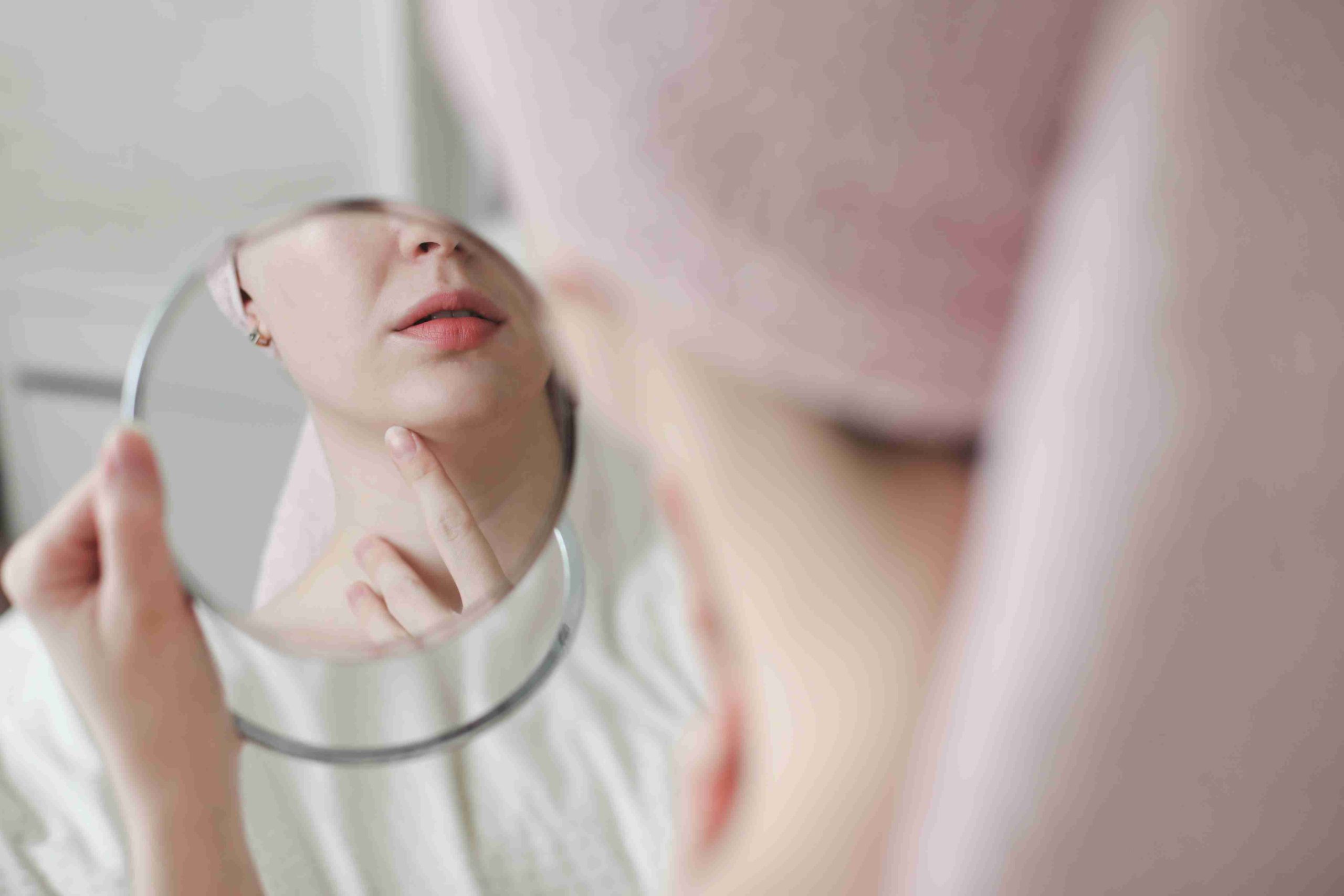
Skin is a dynamic organ that responds to changes in hormone levels throughout the menstrual cycle. Estrogen, progesterone, and androgens each contribute to maintaining normal skin function by influencing hydration, elasticity, sebum production, and the skin’s protective barrier. Because these hormone levels naturally rise and fall during different phases of the cycle, many women notice temporary changes in their skin. These variations are part of normal physiology and can differ from person to person.
Skin Changes Throughout the Menstrual Cycle
Menstrual Phase
During menstruation, estrogen and progesterone are at their lowest levels. Some individuals may notice that their skin feels drier, more sensitive, or less radiant during this time.
Follicular Phase
As estrogen gradually increases, skin often appears more hydrated and smooth. Healthy collagen production and skin barrier function are naturally supported during this phase, contributing to a fresher complexion.
Ovulation
Around ovulation, estrogen reaches its peak. Many women experience healthy-looking skin with improved elasticity and natural radiance. Individual experiences, however, can vary.
Luteal Phase
Following ovulation, progesterone rises while estrogen gradually declines. Increased sebum production during this phase may contribute to temporary skin oiliness or blemishes in some individuals.
Hormonal skin changes are temporary and typically follow a predictable pattern that repeats with each menstrual cycle.
Why Individual Skin Responses Differ
Although hormone patterns are generally similar among women, skin responses can vary widely. Genetics, age, stress, sleep quality, nutrition, environmental exposure, and skincare habits all influence how the skin responds to hormonal fluctuations.
For this reason, two individuals with similar hormone levels may experience very different skin concerns throughout the month.
Healthy skin reflects the interaction between hormones, genetics, lifestyle, and consistent skincare—not any single factor alone.
Supporting Healthy Skin Throughout the Cycle
Rather than using the same skincare routine every day, some individuals choose to adapt their routine according to changes in skin condition during different phases of the menstrual cycle.
Maintain Gentle Cleansing
Use cleansers appropriate for your skin type to help maintain the skin’s natural protective barrier.
Prioritize Hydration
Proper hydration and moisturization help support healthy skin regardless of hormonal fluctuations.
Eat a Balanced Diet
Nutrient-rich foods provide vitamins, minerals, healthy fats, and antioxidants that contribute to overall skin wellness.
Support Overall Wellness
Quality sleep, regular exercise, stress management, and consistent skincare habits all help maintain healthy-looking skin throughout the month.
Botanical Ingredients and Women’s Skin Wellness
Traditional botanicals such as Pueraria Mirifica continue to be studied because they naturally contain phytoestrogens and other plant compounds of scientific interest. These ingredients are commonly incorporated into wellness and cosmetic products designed to complement healthy lifestyle practices.
While botanical ingredients cannot eliminate natural hormonal fluctuations, they may serve as part of a comprehensive skincare and wellness routine focused on maintaining healthy-looking skin over time.
Explore Premium Botanical Skincare and Wellness
Discover carefully formulated Pueraria Mirifica products inspired by traditional Thai botanical knowledge and designed to complement your daily beauty and wellness routine.
Frequently Asked Questions
Why does skin change during the menstrual cycle?
Natural fluctuations in estrogen, progesterone, and other hormones influence skin hydration, oil production, elasticity, and barrier function throughout the menstrual cycle.
Why is skin often oilier before menstruation?
During the luteal phase, hormonal changes may increase sebum production in some individuals, contributing to temporary oiliness and blemishes.
Can skincare routines be adjusted during the menstrual cycle?
Yes. Many people adapt cleansing, moisturizing, and skincare products according to their skin’s changing needs during different phases of the cycle.
Do botanical ingredients replace healthy skincare habits?
No. Botanical ingredients are best used as part of a comprehensive wellness routine that includes proper skincare, balanced nutrition, hydration, and healthy lifestyle habits.