
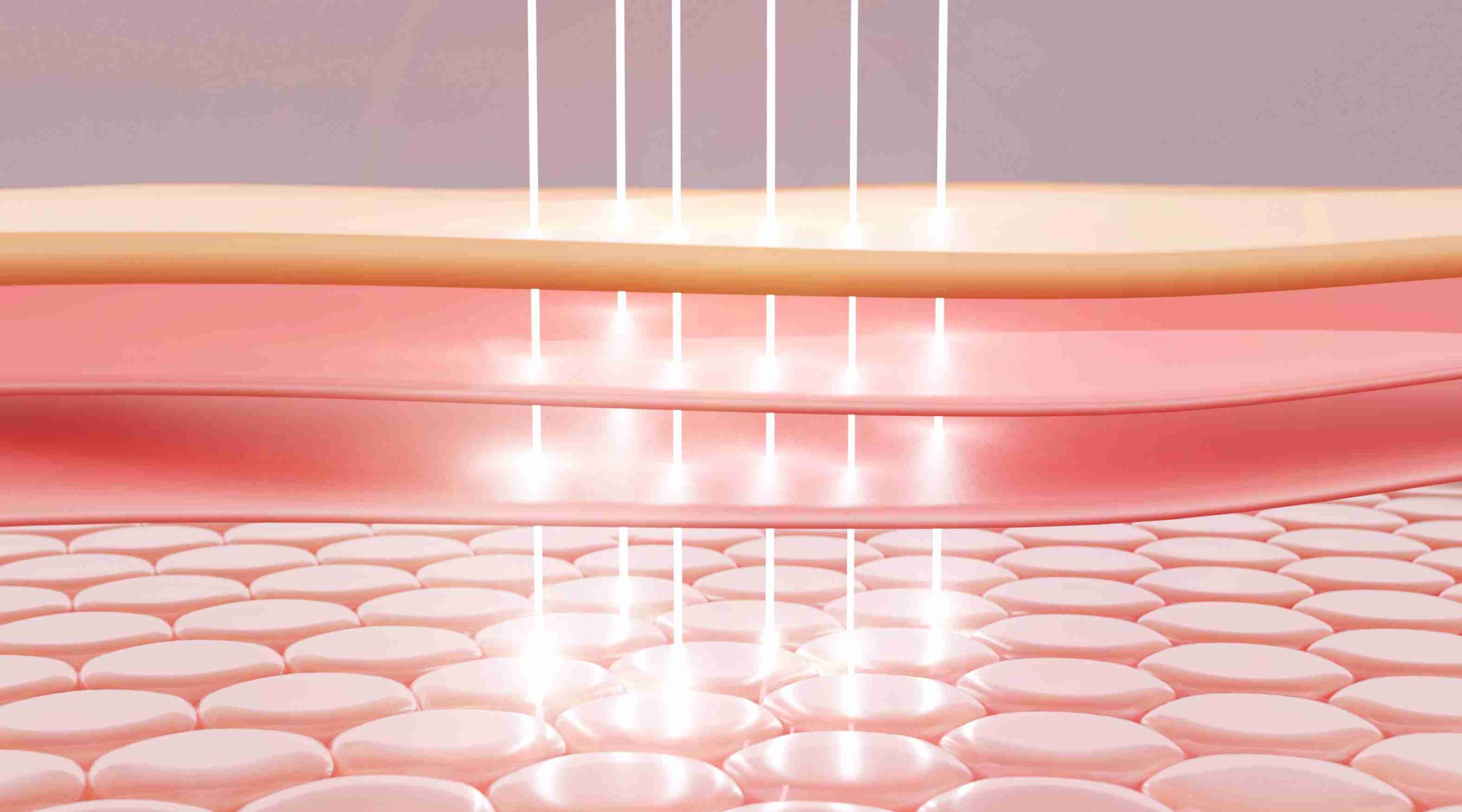
Beauty science has moved beyond surface-level skincare. Researchers now examine the biological systems that help maintain skin quality from within. Among these systems, connective tissue plays a central role in supporting skin structure, firmness, and elasticity.
Connective tissue forms the framework beneath the skin. It contains collagen fibers, elastin networks, and extracellular matrix components that help skin remain resilient and smooth. As interest in beauty-from-within approaches grows, scientists continue exploring botanical ingredients that may support these underlying structures. One ingredient attracting attention is Pueraria Mirifica, a traditional Thai botanical known for its naturally occurring phytoestrogens and growing role in modern wellness formulations.
What Is Connective Tissue?
Connective tissue supports and connects structures throughout the body. In the skin, it sits primarily within the dermis and helps maintain strength, flexibility, and hydration.
- Collagen fiber networks
- Elastin structures
- Extracellular matrix components
- Hydration-supporting molecules
- Tissue resilience and flexibility
When connective tissue functions efficiently, it contributes to firmer, smoother, and more resilient-looking skin.
Why Connective Tissue Changes Over Time
Connective tissue constantly renews itself, but this process becomes less efficient with age. Several biological factors influence how well these structural networks maintain their organization.
- Changes in collagen turnover
- Reduced elastin organization
- Hormonal fluctuations
- Environmental stressors
- Shifts in extracellular matrix composition
These changes may affect skin firmness, elasticity, and overall structural support.
What Makes Pueraria Mirifica Unique?
Pueraria Mirifica is a Thai botanical that people have used for generations in traditional wellness practices. Today, scientists study it for its distinctive phytoestrogen compounds, including miroestrol and deoxymiroestrol.
These naturally occurring compounds have generated interest because hormonal signaling influences many aspects of skin physiology and connective tissue function.
Modern manufacturers increasingly use standardized Pueraria Mirifica extracts to improve consistency, quality control, and formulation precision.
How Hormonal Signaling Influences Connective Tissue Health
Hormonal signaling helps regulate many processes involved in skin maintenance. Research shows that estrogen-related pathways contribute to skin hydration, collagen dynamics, and extracellular matrix activity.
This relationship helps explain why hormonal changes often coincide with visible changes in skin texture, elasticity, and density.
Because Pueraria Mirifica contains phytoestrogen compounds, researchers continue exploring its role within beauty-from-within wellness strategies.
Pueraria Mirifica in Modern Beauty-From-Within Formulations
Beauty supplements increasingly focus on supporting the biological environment that helps maintain healthy skin structure. Rather than targeting a single pathway, many formulations take a broader approach that considers hormonal balance, recovery, hydration, and connective tissue support.
Pueraria Mirifica often appears in formulations designed around these interconnected wellness principles. Its popularity reflects growing consumer interest in comprehensive beauty support rather than surface-level solutions alone.
The Role of the Extracellular Matrix in Skin Structure
The extracellular matrix acts as the structural environment surrounding skin cells. It provides support, organization, and communication throughout connective tissue.
- Collagen fibers
- Elastin fibers
- Proteoglycans
- Glycoproteins
- Hydration-supporting compounds
Scientists increasingly recognize extracellular matrix health as an important factor in maintaining skin quality and structural resilience.
Why Connective Tissue Has Become a Beauty Science Focus
Modern beauty science recognizes that healthy skin depends on more than topical products. Internal physiological processes influence skin structure, hydration, elasticity, and long-term appearance.
As a result, researchers increasingly study:
- Connective tissue biology
- Hormonal wellness pathways
- Cellular communication networks
- Beauty-from-within nutrition
- Advanced botanical formulations
This broader perspective helps explain why connective tissue has become a key area of interest in healthy aging and beauty research.
Explore Premium Pueraria Mirifica Formulations
Discover professionally developed botanical wellness products featuring standardized Pueraria Mirifica extracts and quality-focused formulation practices.
Explore ProductsFinal Thoughts
Connective tissue provides the structural foundation that supports skin firmness, elasticity, and resilience. As beauty science evolves, researchers continue to investigate the biological systems that help maintain these qualities over time.
Pueraria Mirifica remains a botanical of interest because of its unique phytoestrogen profile and its place within modern beauty-from-within formulations. Together, advances in connective tissue research and botanical science are shaping a more comprehensive understanding of skin wellness and healthy aging.
Frequently Asked Questions
What is connective tissue in the skin?
Connective tissue is the structural network within the dermis that contains collagen, elastin, and extracellular matrix components that support skin firmness and resilience.
Why is connective tissue important for skin appearance?
Connective tissue helps maintain skin strength, elasticity, hydration, and overall structural support.
What makes Pueraria Mirifica unique?
Pueraria Mirifica contains naturally occurring phytoestrogens that have attracted scientific interest in beauty and wellness research.
How does hormonal signaling affect connective tissue?
Hormonal signaling influences collagen dynamics, hydration balance, and extracellular matrix activity within the skin.
What is the extracellular matrix?
The extracellular matrix is a structural network that surrounds cells and helps provide support and organization throughout connective tissue.
Why is beauty science focusing more on internal wellness?
Researchers now understand that nutrition, recovery, hormonal signaling, and connective tissue health all contribute to long-term skin quality.