

The skin is commonly viewed as a physical barrier that protects the body from the outside environment. While this is true, modern biology shows that the skin does far more than simply cover the body. Skin functions as an active immune organ, constantly monitoring, responding to, and communicating with both internal and external systems. This immune activity is essential for maintaining skin stability, resilience, and structural integrity. Without it, the skin would not be able to regulate inflammatory responses, respond to environmental stress, or maintain barrier function effectively.
Understanding the skin as an immune organ provides a more advanced perspective on skin health and explains why immune balance plays such a central role in long-term skin function.
The Skin Is More Than a Protective Surface
The skin is the body’s largest organ and one of its first lines of defense. However, its role extends beyond passive protection.
Within the skin are:
- Immune-active cells
- Signaling molecules
- Microbial communication systems
- Barrier-regulating pathways
These components work together to detect changes in the environment and coordinate responses when needed. This makes the skin an active participant in immune regulation rather than a simple outer covering.
The Skin Barrier and Immune Function
The outermost layer of the skin, known as the stratum corneum, serves as both a structural and immunological barrier.
Its functions include:
- Limiting water loss
- Blocking environmental irritants
- Supporting microbial balance
- Regulating surface defense mechanisms
When the barrier is functioning properly, the skin is better able to maintain stability and resist external stress. Barrier disruption, however, may influence immune signaling and increase skin reactivity.
Immune Cells Within the Skin
The skin contains specialized immune cells that continuously monitor the environment.
These cells help:
- Detect potential threats
- Coordinate localized responses
- Communicate with other immune pathways
Rather than remaining inactive, these immune cells constantly interact with the skin’s structural and microbial systems. This dynamic communication is essential for maintaining equilibrium.
Skin Microbiome and Immune Communication
The skin microbiome plays an important role in immune regulation. Beneficial microorganisms interact with immune cells and help maintain balanced signaling.
This relationship influences:
- Barrier stability
- Surface pH balance
- Response to environmental exposure
The immune system and microbiome operate as interconnected systems rather than separate entities.
Inflammatory Signaling and Skin Balance
Inflammation is often misunderstood as entirely negative. In reality, controlled inflammatory signaling is part of normal immune function.
The skin uses inflammatory pathways to:
- Respond to stress
- Support repair mechanisms
- Adapt to environmental changes
Problems arise when signaling becomes prolonged or dysregulated. Balanced regulation is therefore more important than complete suppression.
The Skin and Environmental Stress
The skin is constantly exposed to environmental factors such as:
- UV radiation
- Pollution
- Temperature fluctuations
These exposures influence immune signaling pathways within the skin. In response, the skin activates defense systems designed to maintain stability and support repair processes. This adaptive capacity is one reason the skin is considered an immunologically active organ.
Neuroimmune Communication in the Skin
The skin’s immune system is closely connected to the nervous system. Nerve endings within the skin communicate with immune-active cells through signaling molecules.
This interaction explains why psychological stress can influence skin behavior. Stress-related signaling may alter:
- Barrier regulation
- Immune responses
- Skin sensitivity
The relationship between the nervous and immune systems highlights the complexity of skin biology.
Hormonal Influence on Skin Immunity
Hormonal signaling also affects immune function in the skin. Hormones influence how immune cells behave and how the barrier responds to stress.
Changes in hormonal balance may alter:
- Skin sensitivity
- Hydration levels
- Barrier integrity
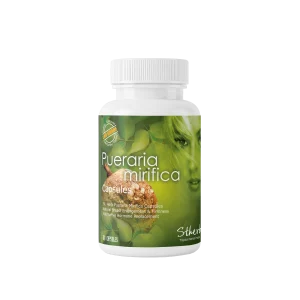
Plant-derived compounds that interact with signaling pathways are often explored within broader wellness strategies. For example, Pueraria mirifica is discussed in relation to hormonal signaling and skin-related pathways. These interactions are complex and context-dependent.
Skin Immunity and Aging
As the skin changes over time, immune regulation may also shift. This can influence how effectively the skin responds to environmental stress and maintains barrier stability.
Age-related changes may affect:
- Cellular communication
- Repair efficiency
- Immune responsiveness
This is one reason long-term skin health depends on maintaining balanced immune function rather than focusing only on surface appearance.
Nutrition and Immune Support
Skin immune activity is influenced by overall physiological condition. Nutrition plays a role in supporting the systems involved in immune regulation and barrier maintenance.
Balanced dietary patterns contribute to:
- Cellular function
- Metabolic regulation
- Structural maintenance
Plant-derived compounds rich in phytochemicals are often studied for their interaction with signaling pathways related to cellular balance.
Why a Systems-Based Approach Matters
Viewing the skin only as a cosmetic surface overlooks its biological complexity.
Skin health depends on the interaction of:
- Immune signaling
- Nervous system communication
- Hormonal regulation
- Metabolic processes
A systems-based approach provides a more accurate understanding of how the skin functions over time.
The Future of Skin Science
Modern skin research is increasingly focused on immune communication and signaling networks rather than isolated cosmetic effects.
This shift is influencing:
- Product formulation strategies
- Ingredient research
- Preventive skin approaches
Future innovations are likely to focus more on supporting the skin’s regulatory systems rather than simply masking visible changes.
Final Thoughts
The skin is not only a physical barrier but also an active immune organ that continuously monitors and responds to its environment. Its immune functions influence barrier stability, signaling balance, and long-term resilience.
Understanding the skin from this perspective changes how skin health is approached. Rather than focusing only on surface-level appearance, it highlights the importance of supporting the underlying systems that maintain balance and adaptability. As research continues to evolve, the role of the skin as an immune organ will likely become an increasingly important part of modern skincare and wellness science.
Related Products


FAQs
The skin contains immune-active cells and signaling systems that help detect environmental changes and coordinate defense responses.
The skin barrier helps limit water loss, regulate microbial balance, and reduce exposure to external irritants that may influence immune signaling.
The skin microbiome interacts with immune cells and contributes to maintaining balanced signaling and barrier stability.
Yes. Nervous system signaling associated with stress may influence immune responses, barrier regulation, and skin sensitivity.
Hormonal signaling affects barrier function, hydration, and immune cell behavior within the skin.
Age-related changes may influence immune responsiveness and repair efficiency, which can affect how the skin maintains balance over time.