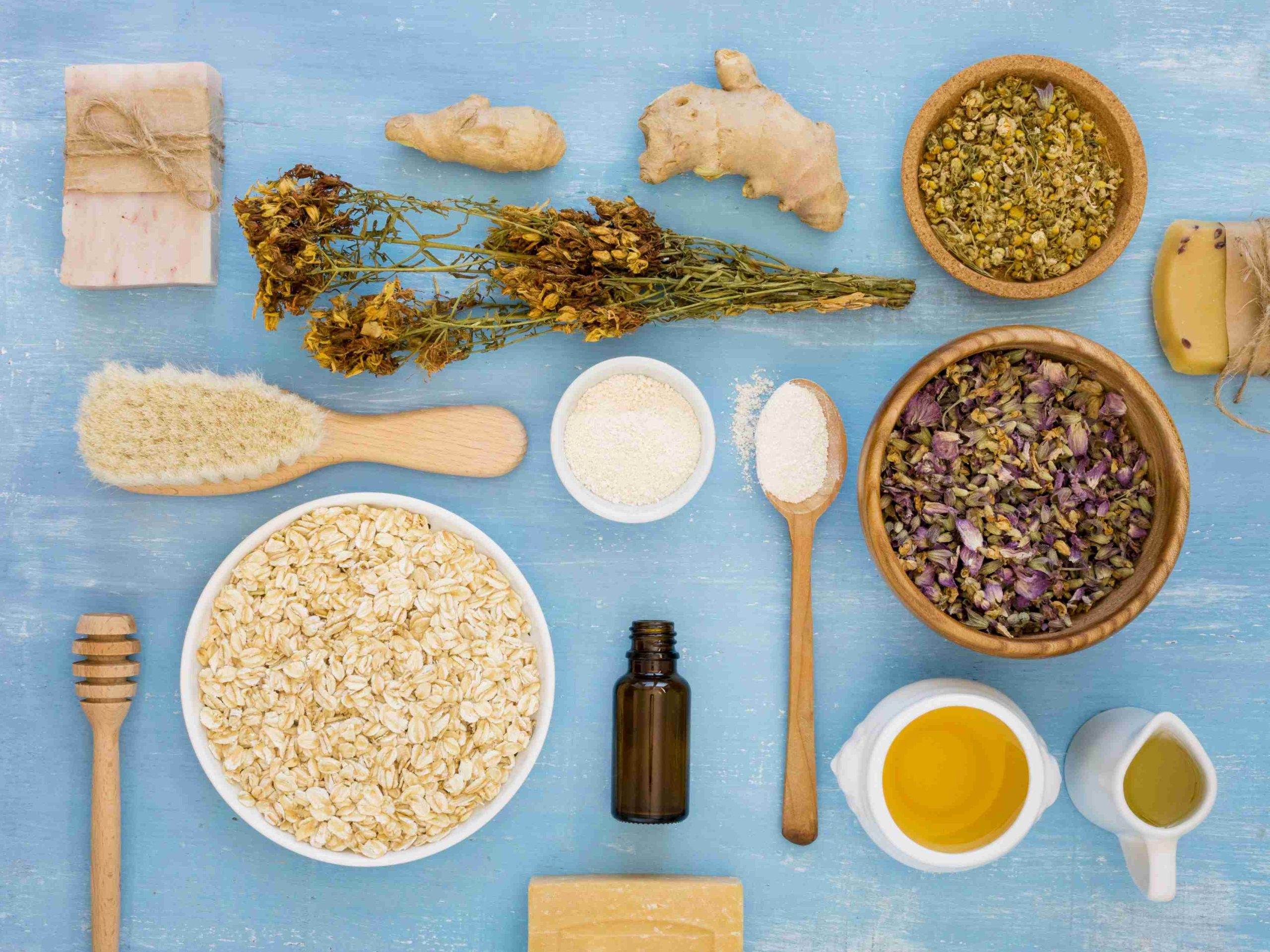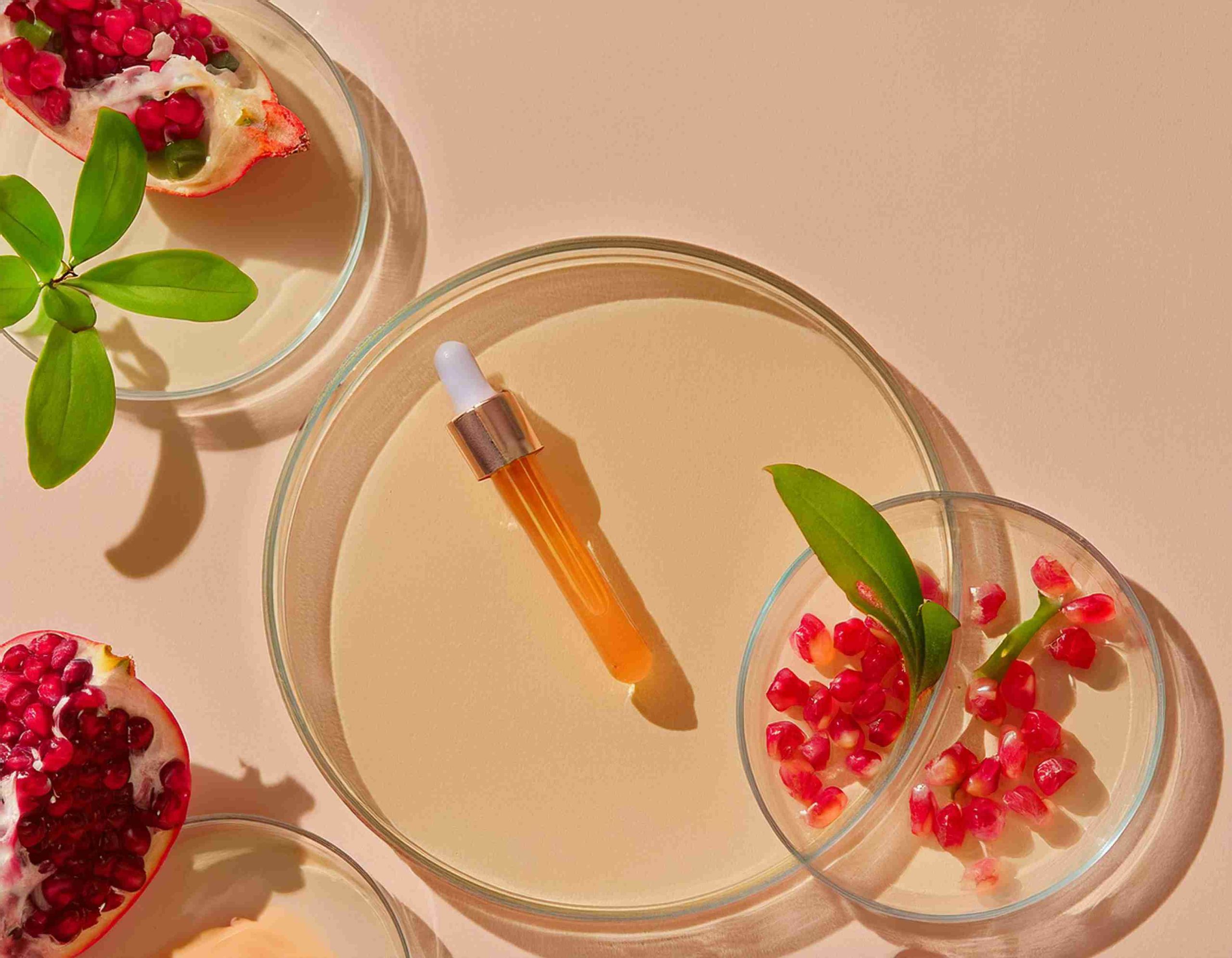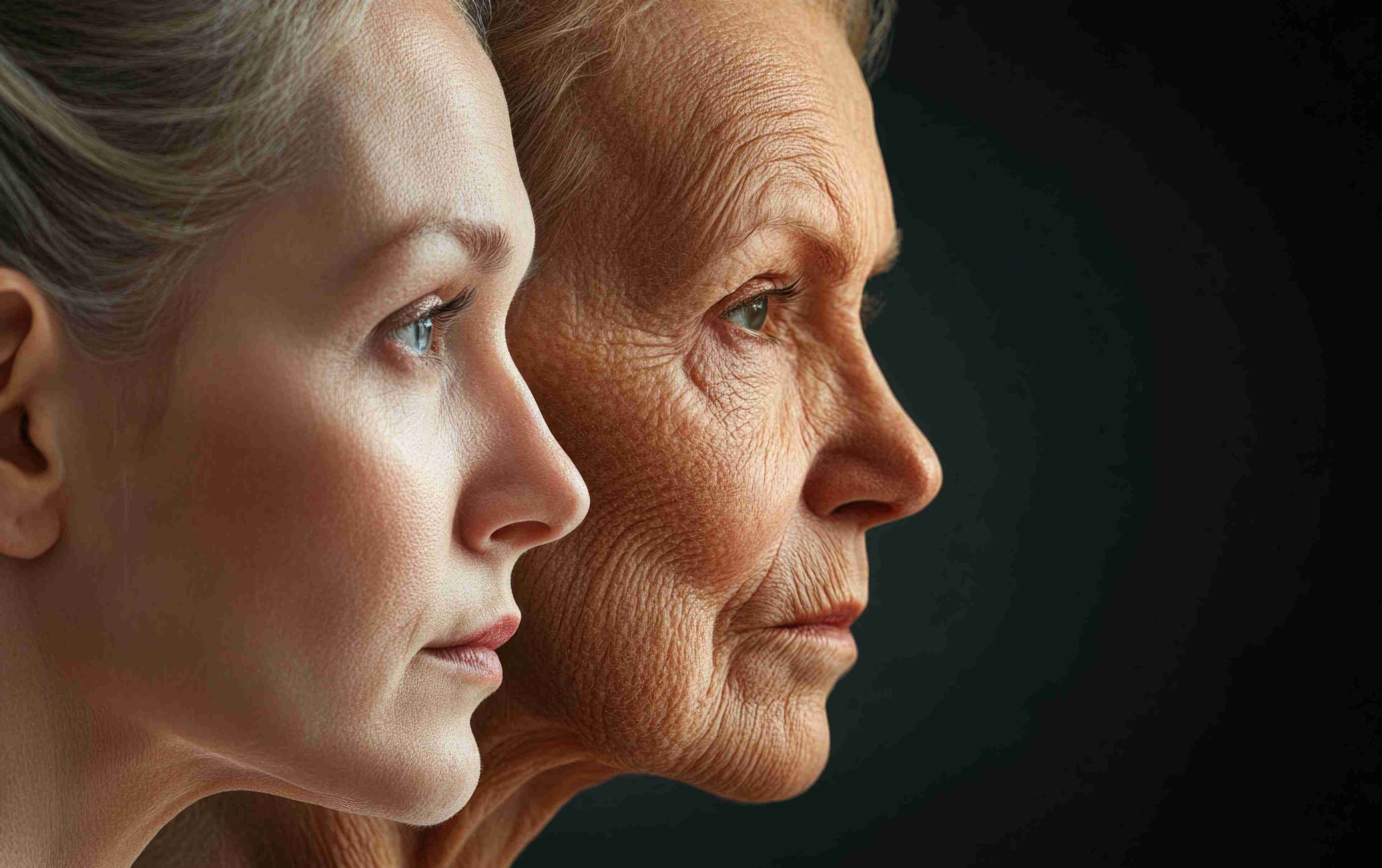
As global consumers increasingly seek plant-based wellness solutions, Southeast Asia botanical wellness innovation has gained international attention. The region offers an exceptional combination of biodiversity, centuries-old traditional herbal knowledge, and…
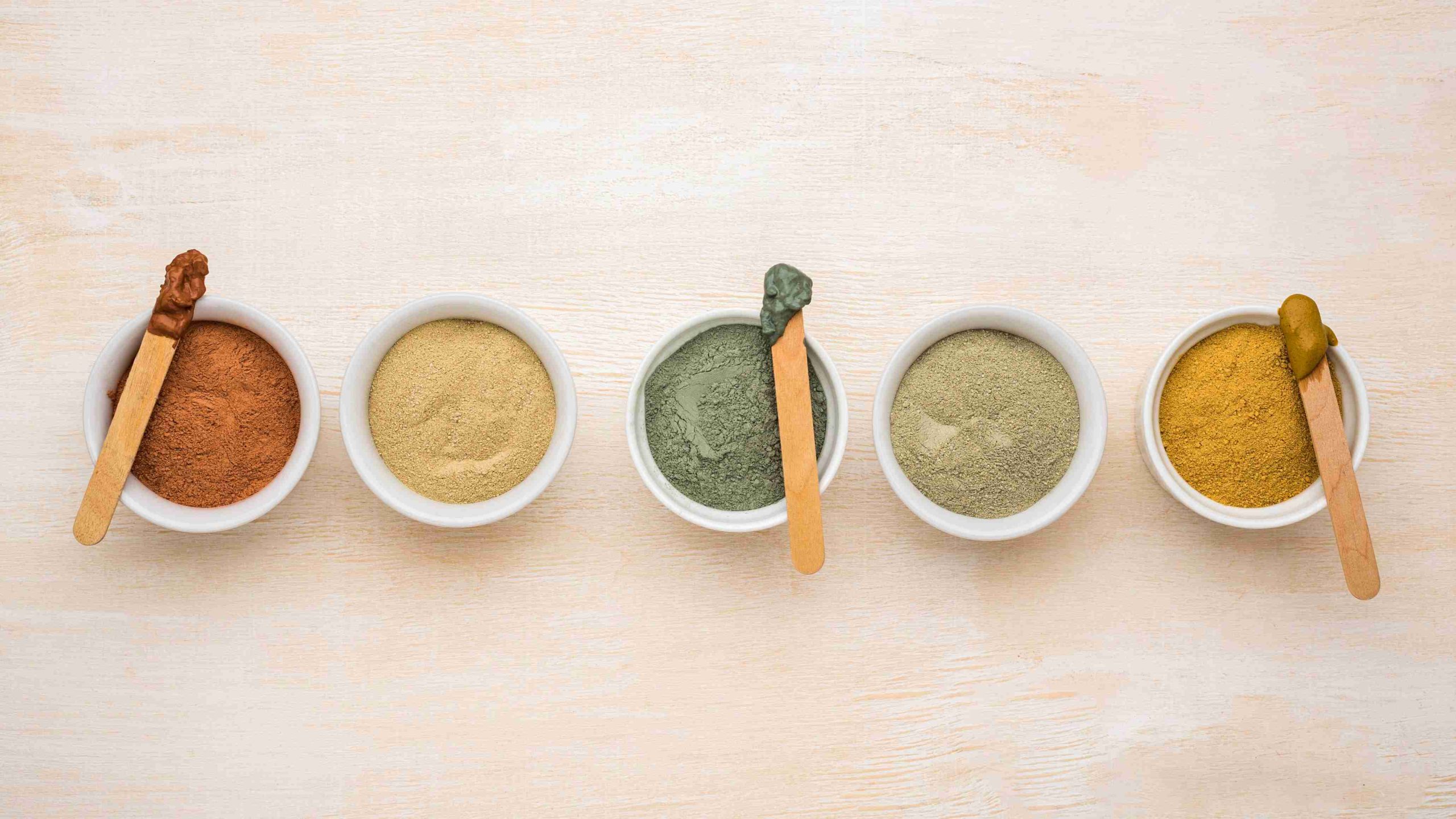
Every year, a new “miracle” ingredient takes over wellness marketing. Brands rush to put it on the label, consumers chase the name, and the actual product performance often gets lost…
For many years, skincare trends focused on exfoliation, anti-aging ingredients, and intensive treatment products. While these approaches remain popular, researchers and skincare professionals increasingly recognize that healthy skin begins with…
When people think about skin health, they often focus on structural components such as collagen, elastin, or moisture levels. While these factors are important, they represent the results of deeper…
Consumers today have access to an unprecedented range of herbal supplements, functional foods, and plant-based wellness products. Marketing often highlights individual ingredients such as turmeric, green tea, ashwagandha, or Pueraria…
Adaptogens are often discussed as herbs that help the body respond to stress and maintain physiological balance. Ingredients such as Ashwagandha, Rhodiola, Holy Basil, and traditional Asian botanicals have attracted…
When people describe glowing skin, they often focus on hydration, collagen, or skincare routines. While these factors are important, another essential contributor receives far less attention: circulation. Every skin cell…
Pueraria Mirifica has gained international recognition as one of Southeast Asia’s most studied botanical ingredients. Traditionally used in Thailand for generations, the plant is known for containing naturally occurring phytoestrogens,…
Consumers often focus on ingredient lists, extraction methods, and standardized compounds when evaluating herbal supplements. However, one of the most overlooked factors influencing product quality is stability. Even the highest-quality…
For years, healthy aging was often associated with anti-aging creams, cosmetic treatments, and attempts to reduce visible signs of getting older. Today, that perspective is evolving. Consumers increasingly recognize that…