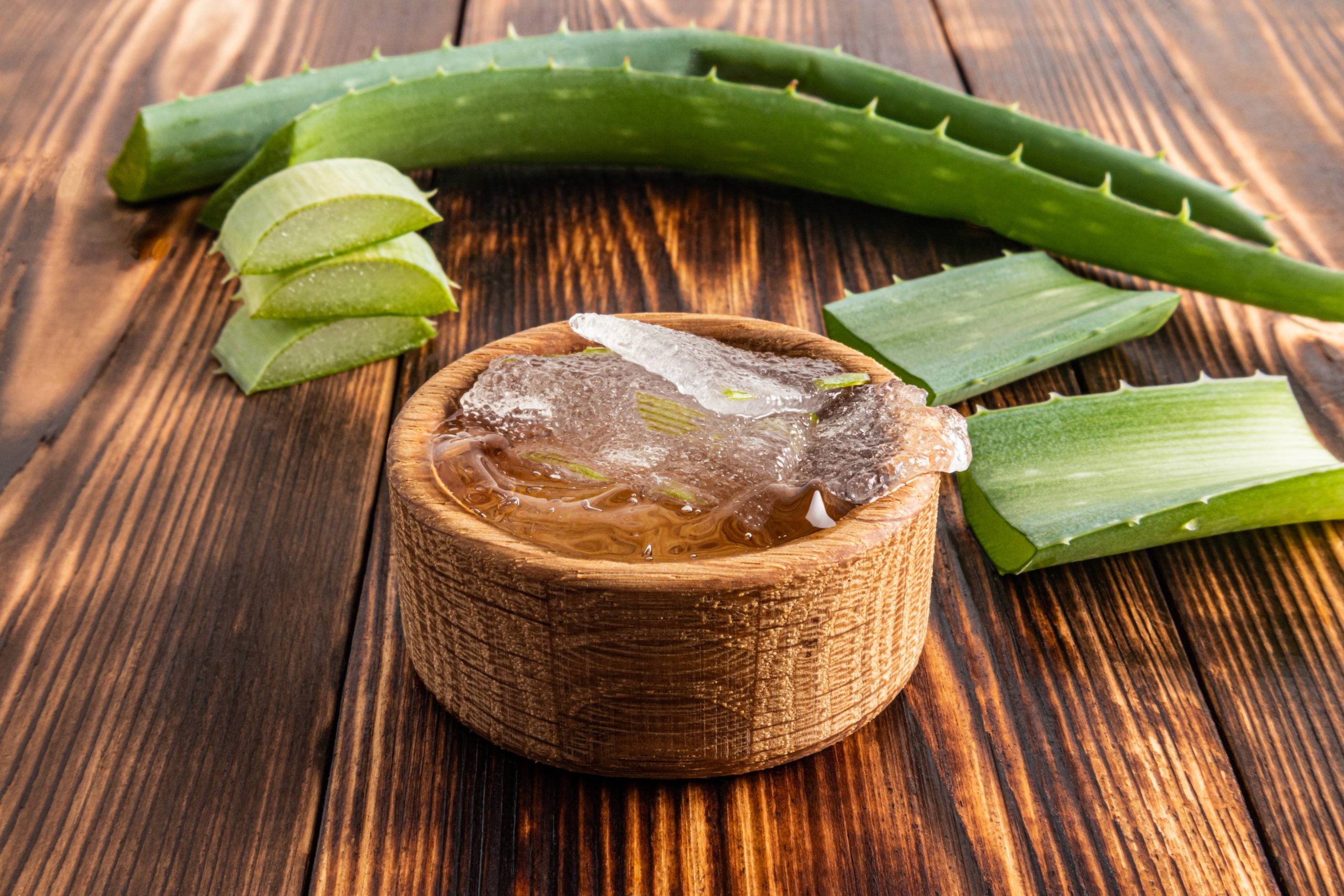
Few botanical ingredients have earned the trust and popularity of Aloe Vera in the cosmetics industry. Known for its soothing, hydrating, and skin-repairing properties, Aloe Vera has become a cornerstone ingredient in skincare, haircare, and personal care products worldwide.
As consumers continue to seek gentle, natural, and effective beauty solutions, Aloe Vera remains one of the most versatile and scientifically supported plant-based cosmetic ingredients available today.
What Is Aloe Vera?
Aloe Vera (Aloe barbadensis miller) is a succulent plant rich in biologically active compounds, including:
- Polysaccharides (acemannan)
- Vitamins A, C, and E
- Enzymes and amino acids
- Minerals and antioxidants
These components work together to support skin hydration, barrier repair, and overall skin health, making Aloe Vera highly valued in cosmetic formulations.
Benefits of Aloe Vera in Cosmetics and Skincare
1. Deep Hydration Without Greasiness
Aloe Vera delivers intense hydration while remaining lightweight and fast-absorbing. Its water-binding polysaccharides help the skin retain moisture, making it ideal for:
- Daily moisturizers
- Hydrating serums
- Gels and emulsions
- Oil-free skincare products
2. Soothing and Calming Properties
Aloe Vera is widely known for its ability to calm irritated or sensitive skin. It helps reduce:
- Redness
- Inflammation
- Skin discomfort
- Post-sun irritation
This makes it a key ingredient in products designed for sensitive, acne-prone, or compromised skin.
3. Supports Skin Repair and Recovery
Aloe Vera promotes skin regeneration by supporting fibroblast activity and collagen synthesis. In cosmetic formulations, this contributes to:
- Faster skin recovery
- Improved skin texture
- Strengthened skin barrier
- Reduced appearance of damaged skin
It is commonly used in after-sun products, post-treatment care, and restorative skincare.
4. Anti-Aging and Antioxidant Protection
Rich in antioxidants such as vitamins C and E, Aloe Vera helps protect skin cells from free radical damage. This supports:
- Reduced signs of premature aging
- Improved skin elasticity
- Smoother, more youthful appearance
When combined with other anti-aging actives, Aloe Vera enhances overall formula performance.
5. Oil Control and Acne-Friendly Benefits
Aloe Vera helps regulate excess sebum while maintaining skin hydration. Its antibacterial and anti-inflammatory properties make it suitable for:
- Acne-prone skin
- Oily skin formulations
- Clarifying cleansers
- Balancing toners
6. Hair and Scalp Care Benefits
Beyond skincare, Aloe Vera is widely used in haircare products to:
- Hydrate the scalp
- Reduce dryness and flaking
- Improve hair smoothness
- Support scalp comfort
It is a popular ingredient in shampoos, conditioners, scalp serums, and hair masks.
Applications of Aloe Vera in Cosmetic Products
Aloe Vera can be found in a wide range of cosmetic and personal care formulations, including:
- Facial cleansers and toners
- Moisturizers and serums
- Sheet masks and gel masks
- Sunscreens and after-sun care
- Body lotions and creams
- Shampoos and conditioners
- Baby care and sensitive skin products
Its compatibility with other active ingredients makes it suitable for both minimalist and advanced formulations.
Why Cosmetic Brands Continue to Choose Aloe Vera
- Naturally derived and consumer-trusted
- Suitable for all skin types
- Gentle and non-irritating
- Aligns with clean beauty and vegan trends
- Backed by extensive traditional use and scientific research
Aloe Vera’s adaptability and safety profile make it one of the most reliable ingredients in cosmetic formulation.
Final Thoughts
Aloe Vera remains a timeless ingredient in the cosmetics industry for good reason. Its ability to hydrate, soothe, repair, and protect the skin makes it an essential component in modern skincare and haircare products. As consumer demand for natural and effective beauty solutions continues to grow, Aloe Vera stands out as a plant-based ingredient that delivers real results.
For cosmetic brands and formulators, Aloe Vera offers a perfect balance of tradition, science, and consumer appeal.
Explore our website to learn more: Click Here