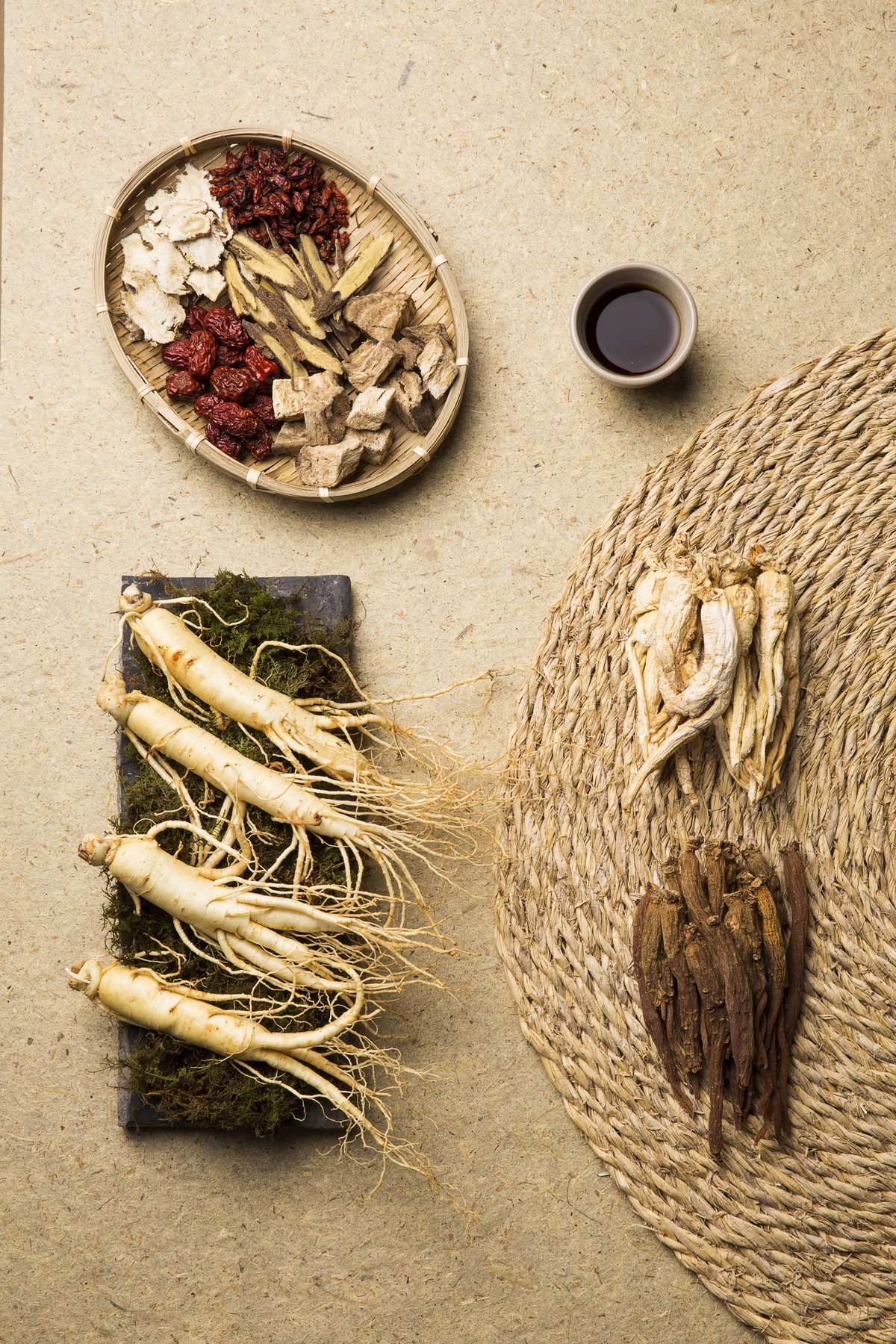
The wellness landscape of 2026 has seen a massive shift toward “Bio-Regional Adaptogens.” Among the most potent are the trio from Southeast Asia: Pueraria mirifica (White Kwao Krua), Butea superba (Red Kwao Krua), and Eurycoma longifolia (Tongkat Ali).
While these Southeast Asian adaptogens are celebrated for vitality, their relationship with hormone-sensitive conditions like breast cancer is a topic of intense scientific scrutiny. This guide explores their benefits and the current safety consensus.
1. Pueraria mirifica (White Kwao Krua): The Phytoestrogen Powerhouse
Commonly found in Thailand, this tuber is famous for its high concentration of miroestrol and deoxymiroestrol, which are among the most potent plant-based estrogens known to science.
Key Pueraria mirifica Benefits:
- Relieving menopausal symptoms (hot flashes, night sweats).
- Supporting bone density and preventing osteoporosis.
- Improving skin elasticity and natural radiance.
The Breast Cancer Context:
- The “Anti-Cancer” Theory: Some in vitro studies suggest it may inhibit the growth of certain MCF-7 breast cancer cell lines by modulating estrogen receptors.
- The Risk Factor: Because it mimics estrogen so effectively, medical professionals in 2026 generally advise against its use for those with existing ER-positive breast cancer or a high genetic risk.
2. Butea superba (Red Kwao Krua): The Male Rejuvenator
Often called the “male version” of Pueraria mirifica, Butea superba is traditionally used to enhance stamina, blood flow, and sexual health.
Key Benefits:
- Natural PDE5 inhibitor properties (supporting erectile function).
- Boosting mental clarity and cognitive focus.
- Reducing physical fatigue and improving energy levels.
The Breast Cancer Context: While primarily used by men, Butea superba contains phytosterols that can interact with the endocrine system. Research on its impact on breast cancer is currently limited; therefore, caution is the gold standard for hormone-sensitive individuals.
3. Eurycoma longifolia (Tongkat Ali): The Stress Shield
Known as “Malaysian Ginseng,” Eurycoma longifolia is perhaps the most well-researched adaptogen in the region for its ability to balance the “Stress-Sex” hormone axis.
Key Benefits:
- Lowering cortisol (the primary stress hormone).
- Supporting healthy testosterone levels in both men and women.
- Improving muscle recovery and athletic performance.
The Breast Cancer Context: Recent 2025-2026 clinical trends suggest that Tongkat Ali’s quassinoid compounds may have antiproliferative effects. However, it should not be used as a treatment for cancer without strict oncological supervision.
Comparative Guide: Adaptogens at a Glance
| Adaptogen | Primary Use | Estrogenic Activity | Breast Cancer Status |
|---|---|---|---|
| Pueraria mirifica | Menopause / Skin | High | Potentially risky for ER+ |
| Butea superba | Vitality / Stamina | Low/Moderate | Use caution; under-researched |
| Eurycoma longifolia | Stress / Testosterone | Low | Emerging research on cell inhibition |
Summary and Safety Recommendations
Integrating Southeast Asian adaptogens into your routine requires a nuanced approach to breast cancer and adaptogens safety. While these herbs offer transformative potential for vitality and stress management, hormonal balance is delicate.
Always consult with a healthcare provider before starting these supplements, especially if you have a history of hormone-sensitive conditions. In 2026, the key to wellness is not just potency, but the precision of use.