Modern cosmetic science no longer frames botanical and synthetic ingredients as opposing forces. Instead, formulators increasingly view them as complementary tools. Understanding how botanical extracts differ from synthetic actives helps brands design products that align with both performance expectations and clean beauty values.
What Defines Botanical Extracts
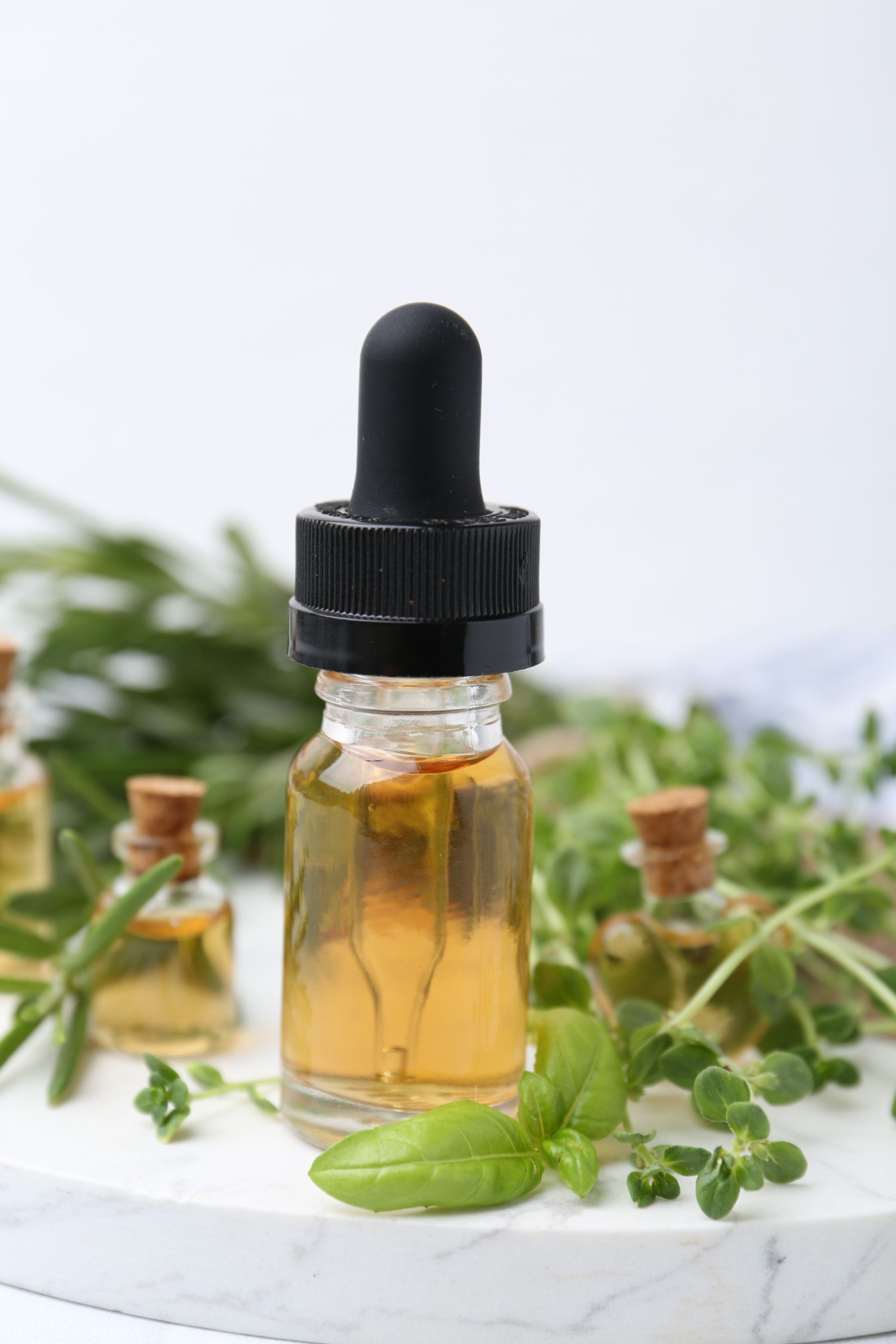
botanicals contain complex matrices of naturally occurring compounds. These multi-component profiles allow plants to deliver broad-spectrum activity, including antioxidant support, barrier reinforcement, and environmental defense.
They appeal strongly to clean beauty audiences because they offer:
- Natural origin storytelling
- Multi-functional activity
- Compatibility with holistic skincare philosophies
What Defines Synthetic Actives
Synthetic actives allow precise molecular design. They deliver targeted performance, high stability, and predictable formulation behavior. This makes them valuable for addressing specific cosmetic objectives such as pigment regulation or texture optimization.
The Role of Botanical Extracts in Modern Formulation
Rather than choosing one over the other, many cosmetic systems integrate both. Botanical extracts often support skin health foundations, while synthetic actives refine targeted performance goals.
Popular Examples in Modern Skincare
To understand the synergy, we can look at common ingredients used today. Popular botanicals often include:
- Centella Asiatica (Cica): Known for its soothing and wound-healing properties.
- Green Tea Extract: A powerful antioxidant that protects skin from environmental damage.
- Licorice Root: Frequently used to brighten skin tone naturally.
- Niacinamide (Vitamin B3): Synthesized for high purity to regulate oil and improve texture.
- Retinol: A Vitamin A derivative engineered to accelerate cell turnover and reduce wrinkles.
- Hyaluronic Acid: While found in nature, the lab-created version ensures stable molecular weights for better hydration depth.
By combining a soothing botanical extract like Centella with a potent active like Retinol, formulators can create a product that fights aging while minimizing irritation.
Conclusion
Botanical and synthetic ingredients each contribute distinct strengths to cosmetic development. In 2026, advanced skincare increasingly blends these approaches, using botanical complexity and synthetic precision to create balanced, performance-driven, clean-aligned formulations.