Eurycoma Longifolia: Beyond the Gym Performance
For decades, Eurycoma longifolia (popularly known as Tongkat Ali) was the “secret weapon” of bodybuilders and athletes. But as we move through 2026, this Southeast Asian powerhouse is being redefined as a “Whole-System Adaptogen.”
While its ability to support natural testosterone and lower cortisol is well-documented, the scientific community is now buzzing about its quassinoids—compounds that may offer a new frontier in breast health. When we look at Eurycoma longifolia benefits today, we see a plant that balances the body while protecting the cells.
1. The 2026 Evolution: More Than Just Muscle
While many still use Tongkat Ali for its ergogenic (performance-enhancing) effects, 2026 research highlights its impact on the HPA Axis—the body’s stress control center.
- Stress Management: Clinical trials have shown a 16% reduction in cortisol levels, making it a primary tool for combating modern “burnout.”
- Mood & Vigor: It has been shown to reduce tension, anger, and confusion, providing a “mental edge” that goes beyond physical strength.
- Hormonal Neutrality: Unlike some supplements that spike hormones aggressively, Tongkat Ali acts as a balancer, helping the body return to its natural baseline through natural testosterone support.
2. Eurycoma Longifolia and Breast Cancer: What the Science Says
The most significant breakthrough in recent years involves eurycomanone research 2026, focusing on the major quassinoid found in the plant’s roots. This is where Tongkat Ali breast cancer studies are showing promising results.
The Anti-Proliferative Effect
Recent studies (including 2025-2026 in vitro trials) have demonstrated that Eurycoma longifolia extracts exert a direct anti-proliferative activity on MCF-7 breast cancer cell lines.
- Apoptosis Induction: Research suggests that specific fractions of the plant (like F16) can trigger “programmed cell death” in cancer cells by down-regulating anti-apoptotic proteins like Bcl-2.
- Selective Cytotoxicity: Fascinatingly, some Southeast Asian adaptogens like Tongkat Ali have shown the ability to target cancer cells while remaining relatively low in toxicity toward normal, healthy breast cells (MCF-10A).
The Hormone Paradox
Because Tongkat Ali can support testosterone levels, many wonder if it is safe for hormone-sensitive conditions. In 2026, the consensus is:
The Quassinoid Advantage: Unlike “estrogen-mimicking” herbs, the quassinoids in Tongkat Ali appear to work through non-hormonal pathways to inhibit cell growth, potentially making it a safer “supportive” anti-proliferative herb. However, professional oncological oversight is still mandatory.
Product Suggestion: Quality Standards for 2026
Not all Tongkat Ali is created equal. To reap the therapeutic benefits—especially regarding quassinoid content—look for:
- Physta® Standardized Extract: A patented, water-soluble extract often used in clinical research to ensure consistent bioactives.
- Eurycomanone Concentration: Ensure the label specifies at least 0.8% to 1.5% eurycomanone.
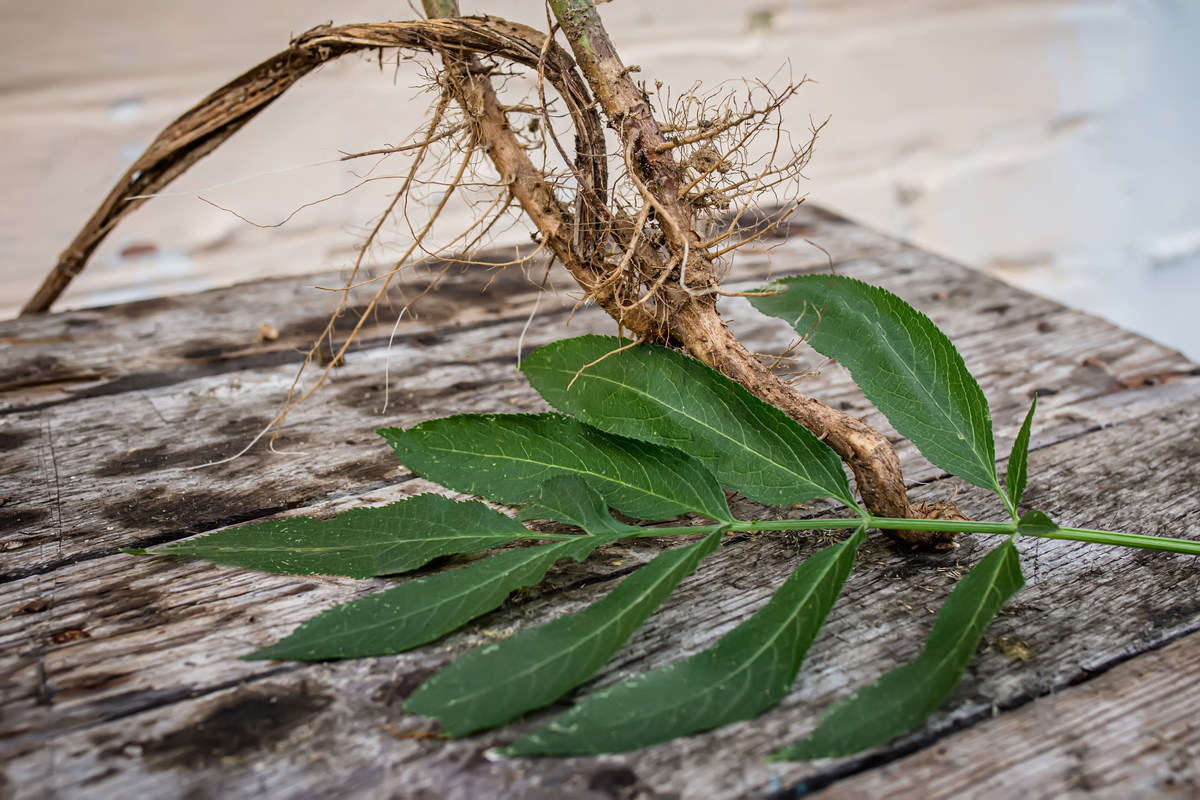
- Root-Only Sourcing: Potent quassinoids are found in taproots of trees at least 10 years old. Avoid “leaf” or “stem” fillers.
Quick Reference: Gym vs. General Wellness
| Benefit Category | Gym Performance | General Wellness/Safety |
|---|---|---|
| Primary Goal | Muscle Strength & Recovery | Stress Reduction & Cell Health |
| Key Compound | Testosterone-to-Cortisol Ratio | Quassinoids (Eurycomanone) |
| Dosage (2026) | 200mg – 400mg daily | 100mg – 200mg daily |
| Breast Health | Indirect (via lower stress) | Direct (Potential anti-tumor research) |