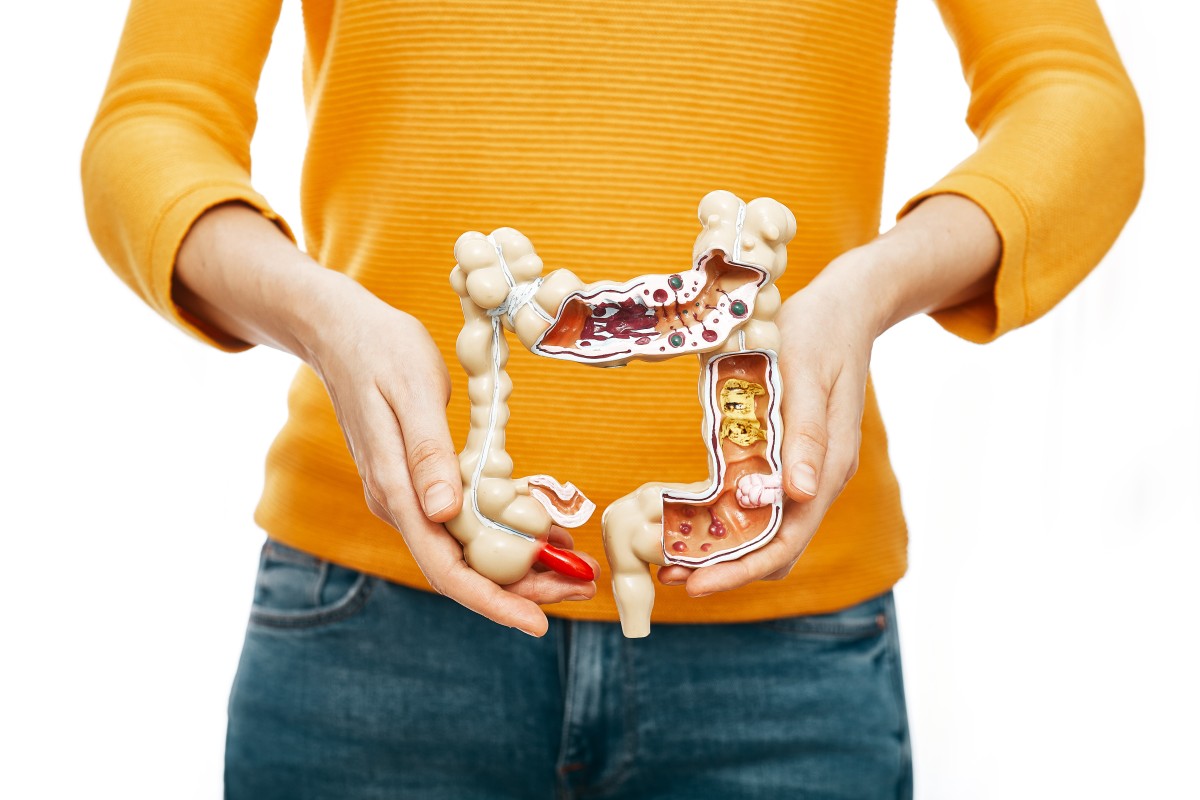
Gut microbiome estrogen metabolism is an emerging topic in women’s health research. Scientists have discovered that the bacteria living in the digestive system influence how hormones—particularly estrogen—are processed and regulated in the body.
The gut microbiome consists of trillions of microorganisms that help control digestion, immune function, and metabolism. However, these microbes also play a role in hormone regulation. Because of this connection, digestive health is increasingly linked to hormonal balance, skin vitality, and overall wellness in women.
Understanding how the gut microbiome interacts with estrogen metabolism helps explain why gut health can influence multiple aspects of women’s physiology.
What Is the Gut Microbiome?
The gut microbiome refers to the diverse community of bacteria, fungi, and microorganisms that live inside the gastrointestinal tract. These microbes assist with digestion and help the body extract nutrients from food.
In addition, gut bacteria perform several other important functions:
- Producing certain vitamins
- Supporting immune defenses
- Regulating metabolic activity
- Influencing hormonal signaling
Because of these wide-ranging roles, researchers often describe the gut microbiome as a functional extension of the body’s regulatory systems.
How Estrogen Is Metabolized in the Body
The ovaries produce most of the estrogen in the body. although smaller amounts are also synthesized in fat tissue and the adrenal glands.
After estrogen carries out its biological functions—such as regulating reproductive cycles and supporting skin health—it must be broken down and removed from the body.
The liver plays a key role in this process. For example, it transforms estrogen into metabolites that the body can remove safely. The body then transports these metabolites through bile into the digestive tract.
However, elimination does not always occur immediately. Instead, the gut microbiome can influence what happens to estrogen metabolites once they reach the intestines.
The Estrobolome and Hormone Regulation
Scientists refer to a group of gut bacteria involved in estrogen metabolism as the estrobolome. These microbes produce enzymes that interact directly with estrogen metabolites.
One important enzyme produced by these bacteria is beta-glucuronidase. This enzyme can remove chemical tags attached by the liver during estrogen metabolism.
When this tag is removed, estrogen may become active again and be reabsorbed into the bloodstream instead of being eliminated. This process is known as estrogen recycling.
Balanced recycling helps maintain stable hormone levels. However, disruptions in the microbiome may influence how efficiently estrogen is processed and eliminated.
Why Gut Health Influences Hormonal Balance
Because gut microbes regulate aspects of estrogen metabolism, the overall condition of the microbiome may influence hormonal balance.
A diverse microbiome helps regulate how much estrogen is recycled and how much is eliminated from the body. When microbial diversity decreases, estrogen metabolism may become less efficient.
Several lifestyle factors can influence microbiome balance, including:
- Diet
- Antibiotic exposure
- Stress levels
- Sleep quality
These factors demonstrate why digestive health plays a broader role in women’s wellness.
Gut Microbiome Estrogen Metabolism and Skin Health
Hormonal balance influences several visible aspects of health, including skin vitality. Estrogen contributes to collagen production, skin thickness, and moisture retention.
Because the gut microbiome influences estrogen metabolism, it may indirectly affect skin structure and hydration.
This relationship is sometimes referred to as part of the gut–hormone–skin axis, which highlights the interconnected nature of digestive health, hormonal signaling, and skin appearance.
Some botanical ingredients associated with women’s wellness—such as Pueraria mirifica—contain phytoestrogen compounds that interact with estrogen receptors.
For scientific background on phytoestrogen activity, see: research on phytoestrogen interaction with estrogen receptors.
Nutrition and the Microbiome
Diet is one of the most powerful influences on the gut microbiome.
Foods rich in fiber support beneficial bacteria by providing nutrients they use to grow and thrive. Diets that include fruits, vegetables, legumes, and whole grains are often associated with greater microbial diversity.
Fiber also supports regular digestion and elimination. Efficient elimination helps the body remove hormone metabolites rather than recycling them excessively.
In addition, fermented foods such as yogurt, kefir, and fermented vegetables introduce beneficial microorganisms that may support microbial balance.
Lifestyle Habits That Support the Microbiome
Beyond diet, several lifestyle habits influence microbiome health.
Regular physical activity
Movement supports digestive motility and metabolic health.
Adequate sleep
Sleep helps regulate hormonal rhythms that influence microbial activity.
Stress management
Chronic stress can alter digestive function and microbial composition.
Together, these habits help maintain a balanced environment for beneficial gut bacteria.
Why Microbiome Research Is Expanding
The relationship between gut microbes and hormonal metabolism is one of the most rapidly expanding areas of health research.
Scientists are continuing to investigate how microbial communities influence endocrine systems, metabolism, and long-term wellness.
As research advances, new discoveries may help clarify how nutrition, lifestyle habits, and plant-based compounds interact with the microbiome to support hormonal balance.
Final Thoughts
The connection between the gut microbiome and estrogen metabolism highlights how deeply interconnected the body’s systems are.
Through the activity of the estrobolome, gut bacteria influence how estrogen is recycled or eliminated. Maintaining a balanced microbiome therefore plays an important role in supporting hormonal stability.
By supporting digestive health through balanced nutrition, healthy lifestyle habits, and plant-based wellness strategies, individuals can help create a favorable environment for beneficial microbes.
As scientific understanding continues to evolve, the gut microbiome will likely remain a central focus in research on women’s hormonal health.
Support Hormonal Balance From Within
Discover our botanical formula designed to support hormonal balance, digestive health, and long-term women’s vitality.
Shop Now