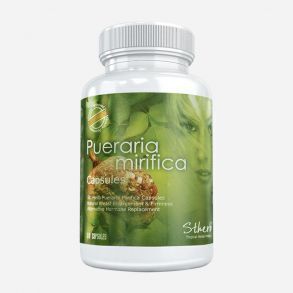
Pueraria mirifica, a powerful Thai herb rich in natural phytoestrogens such as miroestrol and deoxymiroestrol, has long been recognized for its ability to support estrogen-like effects in the body. While traditionally used for women’s hormonal health, many men, especially those exploring gentle feminization or seeking hormonal harmony, are turning to Pueraria mirifica as a natural alternative to synthetic hormones.
This article explores how Pueraria mirifica works in men, its feminizing effects, and additional health benefits beyond appearance.
What Is Pueraria Mirifica?
Pueraria mirifica is a tuberous plant native to Thailand and Southeast Asia. It contains high levels of phytoestrogens, plant-based compounds that mimic the female hormone estrogen. This makes it a popular natural option for:
- Male-to-female transition support
- Breast enhancement
- Reducing masculine features
- Improving skin softness and elasticity
- Supporting emotional and hormonal balance
How Pueraria Mirifica Works in Men
Phytoestrogens from Pueraria mirifica attach to estrogen receptors in the body, encouraging feminine development while gently reducing the dominance of testosterone.
Key Feminizing Effects
| Benefit | How It Works |
|---|---|
| Breast Growth | Stimulates mammary gland development |
| Skin Softening | Boosts collagen and skin hydration |
| Fat Redistribution | Encourages softer curves in hips and thighs |
| Emotional Balance | Supports mood stability and calmness |
| Reduction in Body Hair | May slow hair growth over time |
Additional Health Benefits for Men
Supports Hormonal Harmony
Pueraria mirifica doesn’t completely suppress testosterone, but it helps create a balanced hormonal environment.
Anti-Aging and Skin Benefits
High antioxidant content helps reduce wrinkles, improve elasticity, and brighten complexion.
Bone and Heart Health
Phytoestrogens can help improve bone density and support cardiovascular function.
Prostate Health
Some studies suggest estrogenic compounds may aid in maintaining prostate wellness by regulating hormonal fluctuations.
Expected Feminization Changes Over Time
Results may vary based on dosage, body type, consistent use, and lifestyle.
| Timeline | Possible Effects |
|---|---|
| 1–3 Months | Skin softening, emotional balance |
| 3–6 Months | Breast development begins |
| 6–12 Months | Noticeable fat redistribution and more defined feminine features |
Safety and Considerations
- Consult a healthcare provider before long-term use.
- Avoid high doses without guidance.
- Monitor hormone levels if using alongside other hormonal products.
- Men not seeking feminization should use low doses or avoid it.
Is Pueraria Mirifica Right for You?
Pueraria mirifica offers a natural, non-invasive way for men to explore feminization and hormonal well-being. Whether you’re beginning a gender transition, embracing softer physical features, or simply seeking balanced mood and skin health, this herb may provide gentle, gradual results.
Conclusion
Pueraria mirifica is more than just a feminizing supplement. It’s a powerful herb that promotes overall health. With its natural phytoestrogens, it supports breast growth, skin rejuvenation, hormonal balance, and emotional wellness. For men looking to embrace a more feminine appearance or experience holistic benefits, Pueraria mirifica may be a transformative ally on their journey.
References
Chansakaow, S., Ishikawa, T., Seki, H., Sekine, K., Okada, M., & Chaichantipyuth, C. (2000). Identification of deoxymiroestrol as the active phytoestrogen in Pueraria mirifica. Phytochemistry, 54(2), 231–236. https://doi.org/10.1016/S0031-9422(00)00089-5
Manonai, J., Chittacharoen, A., Theppisai, H., & Theppisai, U. (2007). Effects and safety of Pueraria mirifica on lipid profiles and breast symptoms in postmenopausal women. Menopause, 14(5), 919–924. https://doi.org/10.1097/gme.0b013e31802cc7d8
Sookvanichsilp, N., & Soonthornchareonnon, N. (2003). Estrogenic activity of the phytoestrogen-rich herb Pueraria mirifica in ovariectomized rats. Journal of Ethnopharmacology, 84(2–3), 177–183. https://doi.org/10.1016/S0378-8741(02)00330-0
Winuthayanon, W., Piyachaturawat, P., Suksamrarn, A., Ponglikitmongkol, M., & Suksamrarn, S. (2009). Molecular mechanisms of phytoestrogens in the regulation of estrogen receptor signaling. International Journal of Molecular Sciences, 10(9), 3931–3953. https://doi.org/10.3390/ijms10093931
Hosseini, E., & Said, M. M. (2020). Phytoestrogens and their role in hormone regulation: A review. Journal of Dietary Supplements, 17(6), 603–626. https://doi.org/10.1080/19390211.2019.1588361
Cherdshewasart, W., Panriansaen, R., & Picha, P. (2007). Pretreatment with Pueraria mirifica extract attenuates oxidative stress in ovariectomized rats. Journal of Reproduction & Development, 53(2), 329–336. https://doi.org/10.1262/jrd.18173
Malaivijitnond, S. (2012). Pueraria mirifica, a phytoestrogen-rich herbal supplement, and its estrogenic activity. Fitoterapia, 83(3), 318–333. https://doi.org/10.1016/j.fitote.2011.12.019
Trisomboon, H., Malaivijitnond, S., Watanabe, G., & Taya, K. (2004). Estrogenic effects of Pueraria mirifica on the male reproductive system. Journal of Reproduction and Development, 50(3), 307–314. https://doi.org/10.1262/jrd.50.307
Morita, T., Nakajima, M., & Shibata, H. (2017). Potential health benefits of phytoestrogens in men. Aging Male, 20(1), 48–55. https://doi.org/10.1080/13685538.2016.1271806
Explore our website to learn more: Click Here