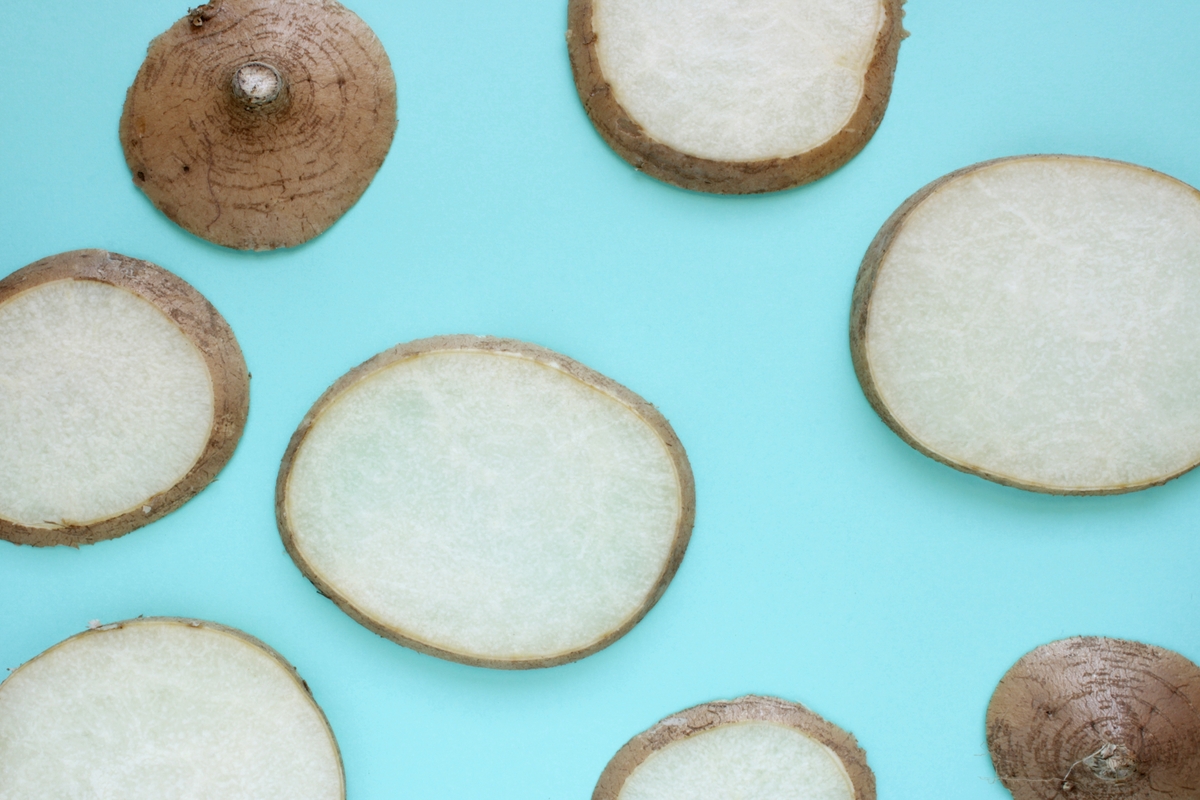
As we move through 2026, the conversation around menopause has evolved. While synthetic Hormone Replacement Therapy (HRT) remains the clinical gold standard for many, a growing number of women are looking toward Pueraria mirifica (White Kwao Krua).
But is this Thai “Miracle Herb” truly a safer peer to modern HRT, especially when it comes to breast health? Let’s dive into the latest data comparing Pueraria mirifica vs HRT and the role of phytoestrogens for menopause.
The 2026 Shift: Phytoestrogens vs. Synthetics
Modern HRT typically uses synthetic or bioidentical estradiol. Pueraria mirifica, however, contains miroestrol benefits derived from its unique chemical structure, which is almost identical to human estriol.
The biological difference is fascinating: while synthetic estrogen can be “heavy-handed,” binding to all estrogen receptors equally, researchers are finding that the phytoestrogens in Pueraria mirifica may be more selective.
- Efficacy: 2025-2026 comparative trials suggest that 50mg of standardized PM extract can match the efficacy of low-dose conjugated equine estrogen (CEE) for hot flashes and night sweats.
- Metabolic Perks: New studies (NCT06220266) indicate PM may actually be better at improving lipid profiles (lowering LDL cholesterol) than some traditional HRTs.
The Big Question: Pueraria Mirifica and Breast Cancer
The relationship between Pueraria mirifica and breast cancer is a “double-edged sword” that requires careful navigation in 2026.
1. The Potential Protective Effect
Recent in vitro studies have shown that at specific concentrations, PM extracts exhibit antiproliferative effects on breast cancer cell lines (like MCF-7). Researchers hypothesize that PM may compete with the body’s stronger natural estrogens for receptor sites, effectively “blocking” more aggressive signals that lead to tumor growth.
2. The Hormone-Sensitive Risk
Conversely, because PM is so effective at mimicking estrogen, it carries a necessary warning. In 2026, the consensus among oncologists remains firm:
Caution: If you have been diagnosed with ER-positive (Estrogen Receptor positive) breast cancer, Pueraria mirifica could potentially stimulate cell growth. It is not a “cure” and should never be used as a standalone treatment for cancer.
Pueraria Mirifica vs. HRT: A Quick Comparison
| Feature | Modern HRT | Pueraria Mirifica (PM) |
|---|---|---|
| Primary Active | Estradiol / Progestin | Miroestrol / Isoflavones |
| Delivery | Pills, Patches, Gels | Capsules, Topicals |
| Breast Cancer Risk | Linked to slight increase (long-term) | Conflicting; potentially protective OR stimulatory |
| Bone Health | Proven protection | Emerging evidence of similar benefits |
Final Verdict for 2026
Is natural hormone replacement in 2026 a viable path? For women without a history of hormone-sensitive cancers who seek a botanical alternative to synthetics, Pueraria mirifica offers a science-backed profile for symptom relief. However, precision is key—always prioritize standardized extracts and professional medical consultation.