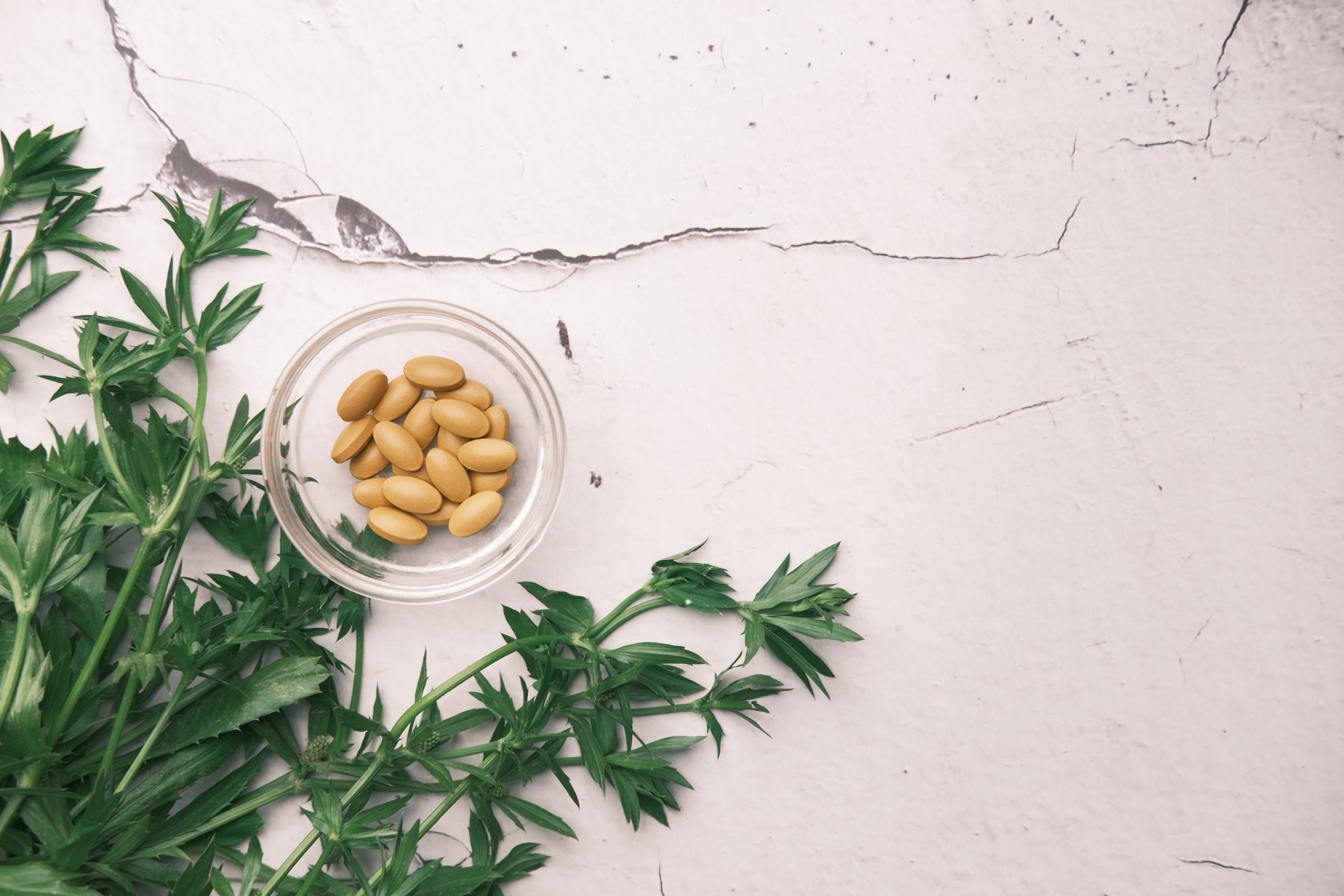
The debate involving Pueraria mirifica and other phytoestrogens has become an increasingly popular topic in women’s wellness. These plant-based compounds offer natural support without synthetic hormones. However, not all sources are the same. Among them, Pueraria Mirifica stands out, but users often ask: how does it truly compare to common sources like soy or red clover?
Understanding the distinct qualities of Pueraria mirifica and other phytoestrogens helps consumers make informed choices based on potency, bioactivity, and long-term wellness goals.
What Are Phytoestrogens?
Phytoestrogens are naturally occurring compounds found in certain plants that have a chemical structure similar to estrogen. Because of this similarity, they can interact with estrogen receptors in the body, producing mild estrogen-like effects.
Specifically, phytoestrogens are often explored for their potential role in supporting:
- Hormonal balance: Helping maintain equilibrium.
- Skin elasticity and firmness: Promoting a youthful appearance.
- Bone and joint health: Supporting structural integrity.
- Menopausal lifestyle support: Easing transitions naturally.
- Overall female vitality: boosting energy and wellness.
Importantly, they act gently. Therefore, they suit long-term lifestyle use when practitioners formulate them properly.
Common Sources of Phytoestrogens
When we look closely at Pueraria mirifica and other phytoestrogens, distinct differences emerge regarding source and potency.
- Isoflavones – found in soy and red clover
- Lignans – found in flaxseed, sesame, and whole grains
- Coumestans – found in sprouts and legumes
- Chromenes (unique compounds) – found in Pueraria Mirifica
Each group behaves differently in the body, leading to varied wellness outcomes.
What Makes Pueraria Mirifica Unique?
Pueraria Mirifica is a tuberous plant traditionally used in Southeast Asia, particularly Thailand. Unlike common dietary phytoestrogen sources, it contains rare and highly specific phytoestrogens, including:
- Miroestrol
- Deoxymiroestrol
These compounds are considered more structurally similar to human estrogen than many other plant phytoestrogens, which is why Pueraria Mirifica is often regarded as a high-potency phytoestrogen source.
Source and Consumption
- Soy phytoestrogens are widely consumed through food such as tofu, soy milk, and edamame. They are part of daily diets in many cultures.
- Pueraria Mirifica, on the other hand, is not a common food crop. It is traditionally prepared as a specialized herbal extract or supplement.
Potency and Bioactivity
- Soy contains isoflavones such as genistein and daidzein. These compounds have mild estrogenic activity and are often associated with general hormonal support.
- Pueraria Mirifica contains miroestrol-related compounds that demonstrate stronger receptor affinity, meaning smaller amounts may offer noticeable support when properly formulated.
Pueraria Mirifica vs Red Clover
Red clover contains isoflavones similar to soy and is often used in menopausal lifestyle products.
Comparison Points:
- Red clover offers moderate estrogenic support
- Often used in combination formulas
- Effects tend to be gradual and subtle
Pueraria Mirifica is frequently chosen when more noticeable support for skin, firmness, and feminine wellness is desired, especially in beauty-focused formulations.
Bioavailability
Bioavailability refers to how efficiently a compound is absorbed and utilized by the body. This factor significantly impacts the effectiveness of phytoestrogens.
High-quality Pueraria Mirifica products focus on:
- Controlled extraction methods
- Standardized active compounds
- Forms that support absorption
This makes Pueraria Mirifica particularly suitable for nutricosmetic and targeted wellness applications, rather than general dietary intake alone.
Applications in Beauty and Wellness
Because of its unique phytoestrogen profile, Pueraria Mirifica is commonly incorporated into:
- Beauty-from-within supplements
- Skin firmness and elasticity routines
- Breast and feminine care formulations
- Healthy aging lifestyle programs
Other phytoestrogen sources often serve as supporting ingredients, while Pueraria Mirifica functions as a hero botanical.
Choosing the Right Phytoestrogen Source
The best phytoestrogen source depends on individual goals:
- General wellness & nutrition: soy, flaxseed
- Mild hormonal lifestyle support: red clover
- Targeted beauty & feminine wellness: Pueraria Mirifica
Rather than replacing one another, these sources can complement different stages of wellness routines when used thoughtfully.
Conclusion
While many plants contain phytoestrogens, Pueraria Mirifica stands apart due to its unique compounds, higher bioactivity, and targeted applications in beauty and women’s wellness. Compared to soy, flaxseed, and red clover, it offers a more specialized and potent option for those seeking focused support rather than general nutrition.
Ready to choose the right phytoestrogen for your needs? [View All Pueraria Mirifica Products]