
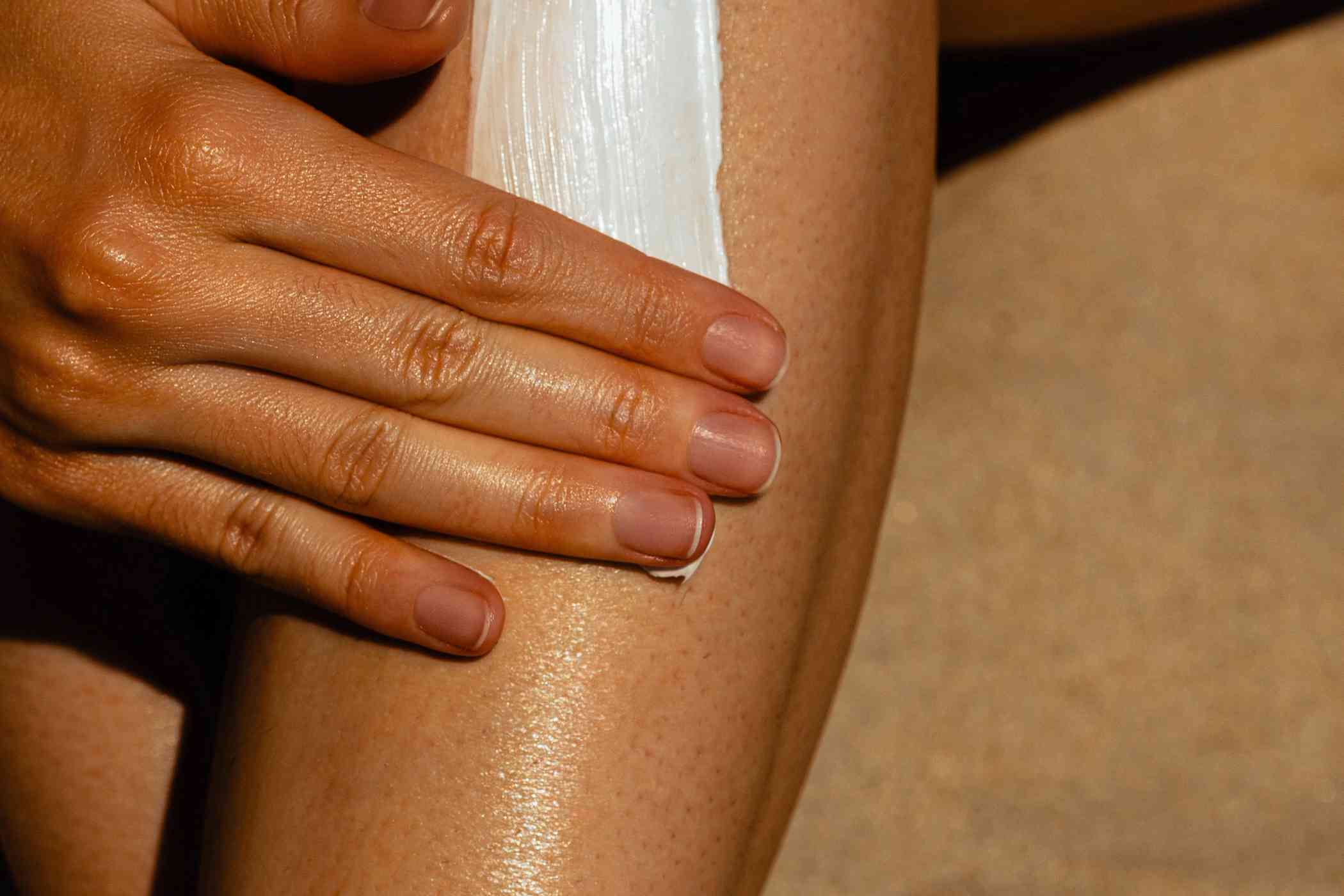
Healthy, radiant skin is not only the result of skincare products. It is also deeply influenced by how well we sleep. The phrase “beauty sleep” reflects a real biological process: during sleep, the body activates repair mechanisms that are essential for maintaining skin health. These processes are closely tied to the body’s sleep cycles and circadian rhythm. When sleep is consistent and restorative, the skin is better able to regenerate, maintain hydration, and preserve its structural integrity. When sleep is disrupted, these processes may become less efficient.
Understanding how sleep cycles influence skin regeneration provides valuable insight into one of the most overlooked aspects of skincare.
What Are Sleep Cycles?
Sleep is not a single, uniform state. It consists of multiple stages that repeat in cycles throughout the night. Each cycle typically lasts about 90 minutes and includes:
- Light sleep
- Deep sleep
- Rapid eye movement (REM) sleep
Deep sleep, in particular, is critical for physical restoration. During this stage, the body focuses on tissue repair, immune function, and hormonal regulation.
These processes are essential for maintaining healthy skin.
Circadian Rhythm and Skin Function
The body operates on an internal clock known as the circadian rhythm. This system regulates sleep-wake cycles and influences many physiological processes, including those related to the skin.
During the day, the skin focuses on protection—defending against UV radiation, pollution, and environmental stressors. At night, it shifts into repair mode, prioritizing regeneration and recovery.
This natural rhythm highlights why nighttime is a critical period for skin repair.
Collagen Production During Sleep
Collagen is the structural protein that supports skin firmness and elasticity. Its production is closely linked to the body’s repair processes.
During deep sleep, the body increases the release of growth hormones, which stimulate collagen synthesis. This helps repair daily damage and maintain skin structure.
When sleep is insufficient or disrupted, collagen production may decrease, contributing to visible signs of aging such as fine lines and reduced elasticity.
Skin Barrier Repair and Hydration
The skin barrier plays a crucial role in retaining moisture and protecting against external stressors. During sleep, the body works to restore and strengthen this barrier.
Nighttime is when the skin increases its ability to retain water and repair damage. This helps maintain hydration and resilience.
Poor sleep may impair these processes, leading to dryness and increased sensitivity.
Blood Flow and Skin Regeneration
Circulation is another important factor in skin health. During sleep, blood flow to the skin increases, delivering oxygen and nutrients needed for repair.
This enhanced circulation supports cellular regeneration and contributes to a healthier complexion.
When sleep is disrupted, reduced circulation may affect the skin’s ability to recover efficiently.
The Role of Hormones
Sleep influences the balance of several hormones that affect skin health.
Growth hormone, released during deep sleep, supports tissue repair and regeneration. Cortisol, the stress hormone, typically decreases during restful sleep.
When sleep is disrupted, cortisol levels may remain elevated. This can contribute to inflammation and collagen breakdown, affecting skin structure.
Hormonal balance is therefore a key link between sleep and skin health.
Oxidative Stress and Sleep Deprivation
Sleep deprivation may increase oxidative stress in the body. Free radicals generated by environmental exposure are normally managed by the body’s antioxidant systems.
During sleep, these systems are more active, helping to neutralize free radicals and protect skin cells.
Without adequate sleep, oxidative stress may accumulate, potentially contributing to premature aging and reduced skin resilience.
The Impact of Sleep Quality on Skin Appearance
The effects of sleep are often visible on the skin.
Consistent, high-quality sleep is associated with:
- Brighter complexion
- Improved skin tone
- Reduced puffiness
- Better hydration
On the other hand, poor sleep may lead to dullness, uneven tone, and increased signs of fatigue.
These visible changes reflect the underlying biological processes affected by sleep.
Supporting Skin Regeneration Through Lifestyle
Improving sleep quality is one of the most effective ways to support skin regeneration.
Maintaining a consistent sleep schedule helps regulate the circadian rhythm. Creating a relaxing nighttime routine can promote deeper, more restorative sleep.
Reducing exposure to screens before bedtime and managing stress levels also contribute to better sleep quality.
Balanced nutrition supports the body’s repair processes, providing the nutrients needed for collagen production and cellular regeneration.
Botanical Support for Sleep and Skin Health
Certain botanical ingredients are traditionally used to support relaxation and sleep quality. By helping the body achieve deeper rest, these plants may indirectly support skin regeneration.
In addition, plant-based compounds that support hormonal balance are often explored in relation to skin health. One example is Pueraria mirifica, which is associated with skin hydration and overall wellness.
These botanical approaches are typically used as part of a broader lifestyle strategy.
A Holistic View of Skin Regeneration
Skin regeneration is influenced by multiple interconnected factors, including sleep, nutrition, hormonal balance, and environmental exposure.
Sleep acts as a central pillar in this system, providing the time and conditions needed for the body to repair and restore itself.
By supporting sleep quality, individuals can enhance the effectiveness of other skincare and wellness strategies.
Final Thoughts
The connection between sleep cycles and skin regeneration highlights the importance of rest in maintaining healthy, resilient skin. During sleep, the body carries out essential processes that support collagen production, hydration, and cellular repair.
When sleep is consistent and restorative, these processes function efficiently, contributing to a brighter and more balanced complexion. When sleep is disrupted, the skin may struggle to recover from daily stress.
By prioritizing sleep as part of a holistic wellness routine, individuals can support their skin from within and maintain long-term vitality.
Explore our website to learn more: Click Here