
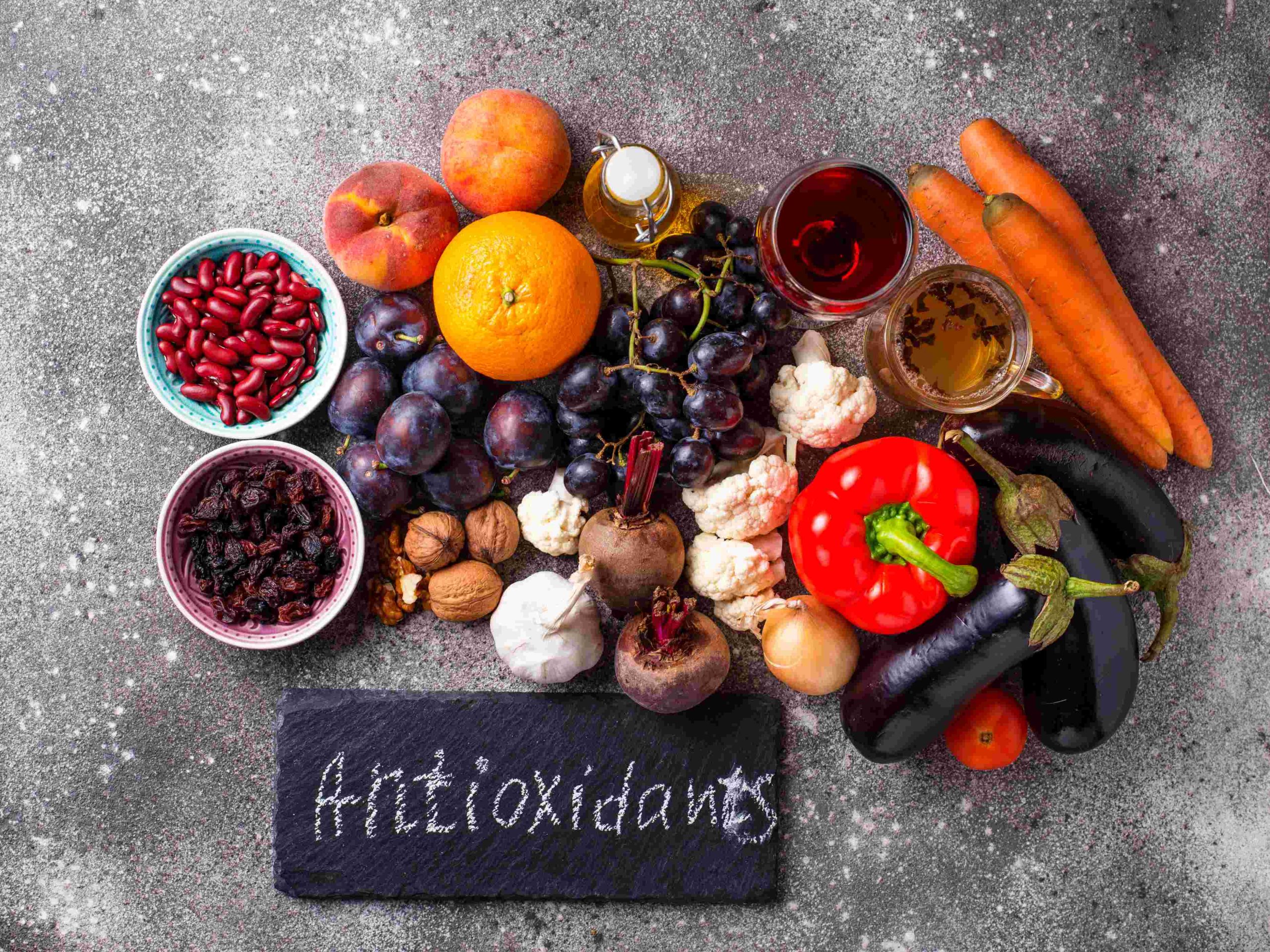
Antioxidants are widely recognized for their role in protecting the body from oxidative stress. In skincare and wellness, they are often associated with maintaining skin clarity, supporting cellular function, and helping the body manage environmental exposure. However, a common misconception is that more antioxidants automatically lead to better results. In reality, the effectiveness of antioxidants depends on diversity. The diversity of antioxidants perform different roles within the body. Understanding how they work together provides a more accurate and effective approach to supporting skin health and overall wellness.
What Are Antioxidants?
Antioxidants are molecules that help neutralize free radicals. Free radicals are unstable molecules generated by normal metabolic processes as well as external factors such as UV exposure and pollution.
When free radicals accumulate, they can disrupt cellular function and contribute to oxidative stress. Antioxidants help maintain balance by stabilizing these molecules.
The Limitation of “More Is Better”
It might seem logical to assume that increasing antioxidant intake will provide greater protection. However, this approach overlooks the complexity of how antioxidants function.
Different antioxidants operate in different environments within the body. Some are water-soluble, while others are fat-soluble. Some act within cell membranes, while others function in the bloodstream.
If a formulation contains only one type of antioxidant, it may provide limited coverage, regardless of how much is present.
Understanding Antioxidant Diversity
Antioxidant diversity refers to the presence of multiple types of antioxidants that work across different pathways and environments.
These include:
- Polyphenols
- Flavonoids
- Carotenoids
- Vitamins and co-factors
Each group interacts with oxidative processes in unique ways. Together, they provide broader and more balanced protection.
Synergy Between Antioxidants
One of the most important aspects of antioxidant diversity is synergy. Antioxidants often work together, supporting each other’s function.
For example, some antioxidants help regenerate others after they neutralize free radicals. This recycling process enhances overall efficiency.
This means that a combination of antioxidants may be more effective than a high concentration of a single compound.
Water-Soluble vs Fat-Soluble Antioxidants
The body contains both water-based and lipid-based environments. Antioxidants must be present in both to provide comprehensive protection.
Water-soluble antioxidants operate in fluids such as blood and cellular cytoplasm. Fat-soluble antioxidants protect cell membranes and lipid structures.
A diverse antioxidant profile ensures that both environments are supported.
Antioxidants and Skin Structure
Oxidative stress can influence structural components of the skin. Free radicals may affect proteins and lipids that contribute to skin integrity.
By providing protection across multiple pathways, a diverse range of antioxidants supports the stability of these components.
This contributes to maintaining balanced skin function over time.
Plant-Based Sources of Antioxidant Diversity
Plant-based ingredients are naturally rich in diverse antioxidants. Unlike isolated compounds, whole plant extracts contain complex mixtures of phytochemicals.
These compounds include flavonoids, phenolic acids, and other bioactive molecules that work together.
For example, Pueraria mirifica contains multiple plant compounds that are often discussed in relation to skin and wellness support.
This complexity is one of the reasons botanical extracts are widely used in both supplements and skincare formulations.
Antioxidants and Cellular Signaling
Antioxidants do more than neutralize free radicals. They also influence cellular signaling pathways.
These pathways regulate processes such as repair, adaptation, and response to environmental stress. A diverse antioxidant profile can support balanced signaling, helping cells respond more effectively.
Why Antioxidant Diversity Supports Long-Term Balance
Focusing on diversity rather than quantity helps align with the body’s natural complexity. Instead of overwhelming a single pathway, diverse antioxidants provide balanced support across multiple systems.
This approach is more consistent with how biological systems operate, where multiple processes interact simultaneously.
Practical Ways to Support Antioxidant Diversity
Achieving antioxidant diversity does not require excessive supplementation. Instead, it involves variety.
A diet rich in different plant-based foods provides a wide range of antioxidants. Combining different botanical extracts in formulations can also enhance diversity.
Consistency is more important than high doses, as regular intake supports ongoing balance.
A More Advanced Perspective on Antioxidants
As research evolves, the understanding of antioxidants is becoming more nuanced. The focus is shifting from simple quantity to complexity and interaction.
This reflects a broader trend in wellness, where systems-based approaches are replacing single-target strategies.
Final Thoughts
Antioxidants play an essential role in maintaining balance within the body, but their effectiveness depends on how they are used. Diversity, rather than quantity, provides broader coverage, supports multiple pathways, and enhances overall efficiency.
By focusing on a wide range of antioxidant sources, it is possible to support skin health and cellular function in a way that aligns with the body’s natural complexity.
In the context of modern wellness, the goal is not to maximize intake but to optimize balance, and antioxidant diversity is a key part of that strategy.
Explore our website to learn more: Click Here