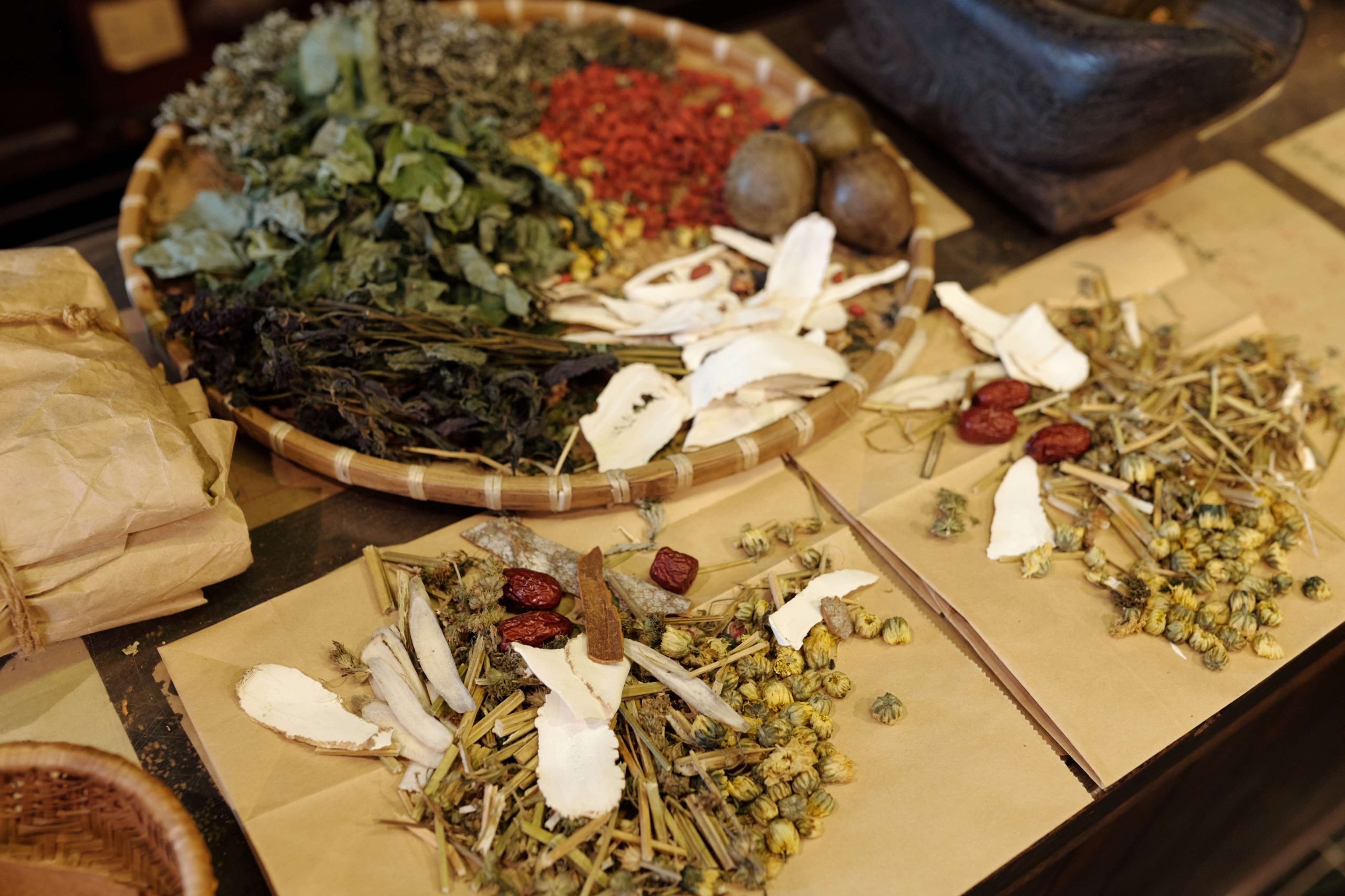
In an era dominated by advanced medical technology and scientific innovation, traditional herbs continue to hold a respected place in modern wellness. Used for centuries across cultures, herbal remedies are no longer viewed solely as folklore or alternative practices. Today, many traditional herbs are supported by scientific research, making them an essential component of evidence-based wellness.
As consumers increasingly seek natural, holistic, and preventative health solutions, traditional herbs are experiencing a powerful resurgence—this time guided by science.
The Foundation of Traditional Herbal Wisdom
Traditional herbal medicine systems such as Ayurveda, Traditional Chinese Medicine (TCM), and Southeast Asian herbal practices are built on centuries of observation, experience, and documentation. These systems emphasized balance, prevention, and whole-body health long before modern medicine existed.
Herbs were traditionally used to:
- Support daily vitality
- Promote balance within the body
- Aid recovery and resilience
- Maintain long-term well-being
While these practices originated without modern clinical tools, many of their principles align closely with today’s understanding of health and physiology.
From Tradition to Science: The Role of Research
Modern science has played a crucial role in validating traditional herbal use. Advances in analytical technology allow researchers to identify bioactive compounds, understand mechanisms of action, and evaluate safety and efficacy.
Scientific research has helped to:
- Confirm antioxidant, anti-inflammatory, and adaptogenic properties
- Identify active compounds such as flavonoids, polyphenols, and alkaloids
- Establish standardized extraction and dosage methods
- Improve quality control and product consistency
As a result, traditional herbs are now widely used in evidence-based supplements, functional foods, and cosmetics.
Why Traditional Herbs Fit Modern Wellness Needs
1. Holistic Support Rather Than Symptom Suppression
Traditional herbs often work by supporting the body’s natural systems instead of targeting a single symptom. This aligns with modern wellness trends focused on prevention, balance, and long-term health rather than short-term fixes.
2. Rich in Natural Bioactive Compounds
Many herbs contain complex combinations of plant compounds that work synergistically. This multi-target approach supports overall wellness and makes herbs valuable in addressing lifestyle-related health challenges.
3. Growing Consumer Trust in Plant-Based Solutions
Consumers are becoming more ingredient-conscious and prefer solutions that feel natural, gentle, and sustainable. Traditional herbs meet this demand while offering a long history of use combined with modern validation.
4. Integration into Evidence-Based Formulations
Today’s herbal products are no longer based on tradition alone. They are formulated using:
- Standardized extracts
- Scientific dosing guidelines
- Clinical and preclinical research
- Regulatory safety frameworks
This integration ensures both effectiveness and consumer safety.
Applications of Traditional Herbs in Modern Wellness
Traditional herbs are now widely incorporated into:
- Dietary supplements for energy, immunity, and stress management
- Functional beverages and nutraceuticals
- Skincare and cosmetic products
- Preventative wellness routines
Their versatility makes them suitable for daily use across various wellness categories.
Balancing Tradition with Responsibility
While traditional herbs offer many benefits, responsible use is essential. Evidence-based wellness emphasizes:
- Proper sourcing and authentication
- Standardized extraction processes
- Transparent labeling
- Appropriate dosage and usage guidelines
When tradition and science work together, herbal solutions become both effective and trustworthy.
The Future of Evidence-Based Herbal Wellness
As research continues to evolve, traditional herbs will remain an important bridge between natural wisdom and modern healthcare. Their ability to support overall wellness, combined with scientific validation, positions them as key ingredients in the future of integrative health.
Rather than replacing modern medicine, traditional herbs complement it—offering a more holistic approach to maintaining balance, vitality, and long-term well-being.
Final Thoughts
Traditional herbs still matter because they represent a unique intersection of history, nature, and science. Backed by research and refined through modern technology, they continue to play a vital role in evidence-based wellness. For brands, practitioners, and consumers alike, traditional herbs offer a trusted, natural path toward sustainable health in a modern world.
Explore our website to learn more: Click Here