
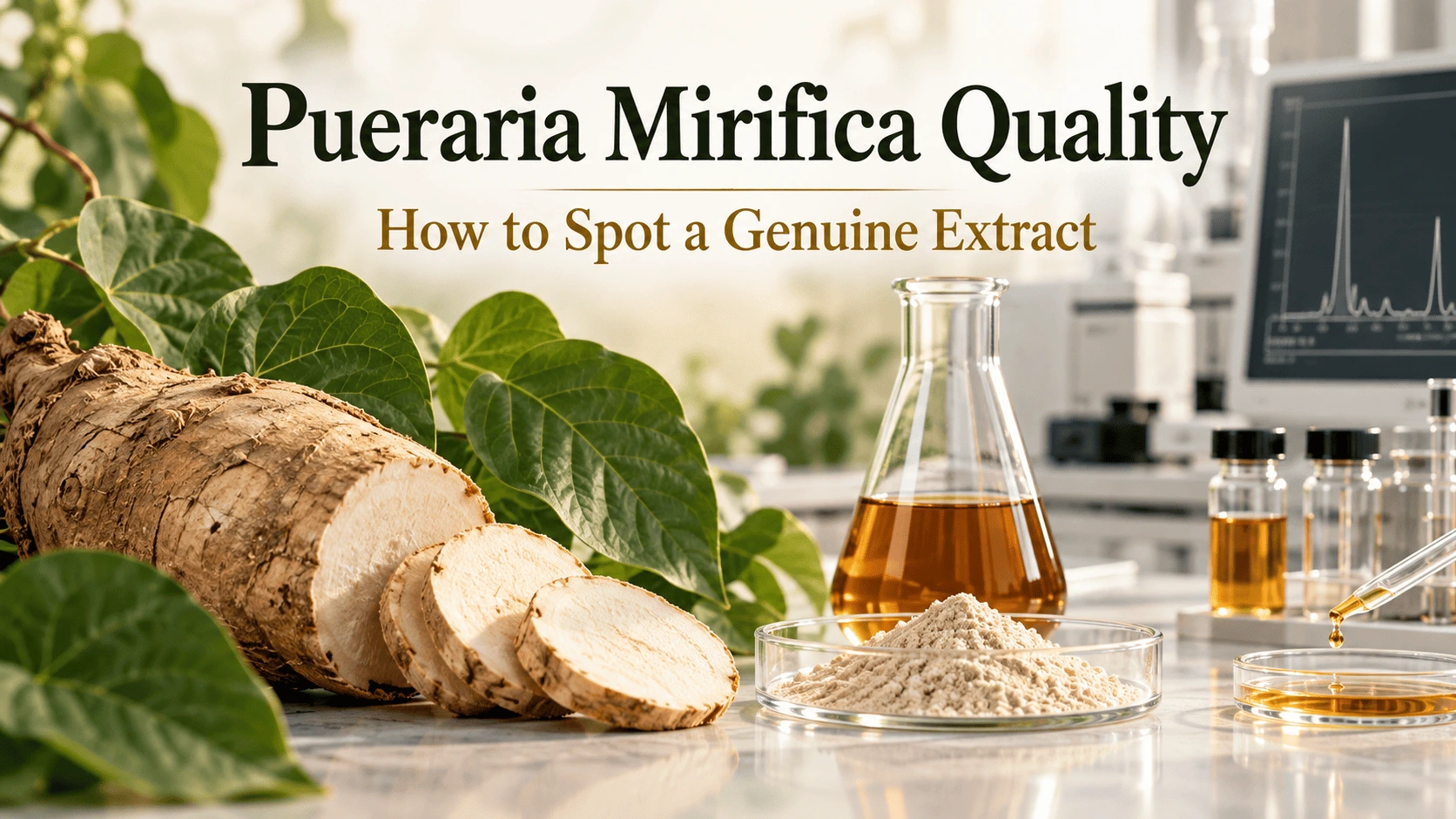
How genuine Pueraria Mirifica is grown and standardized, and the practical checks that help you tell a quality extract from a diluted or mislabeled one.
One plant. One purpose. Standard shipping free on orders over $100 worldwide.
How genuine Pueraria Mirifica is grown and standardized, and the practical checks that help you tell a quality extract from a diluted or mislabeled one.
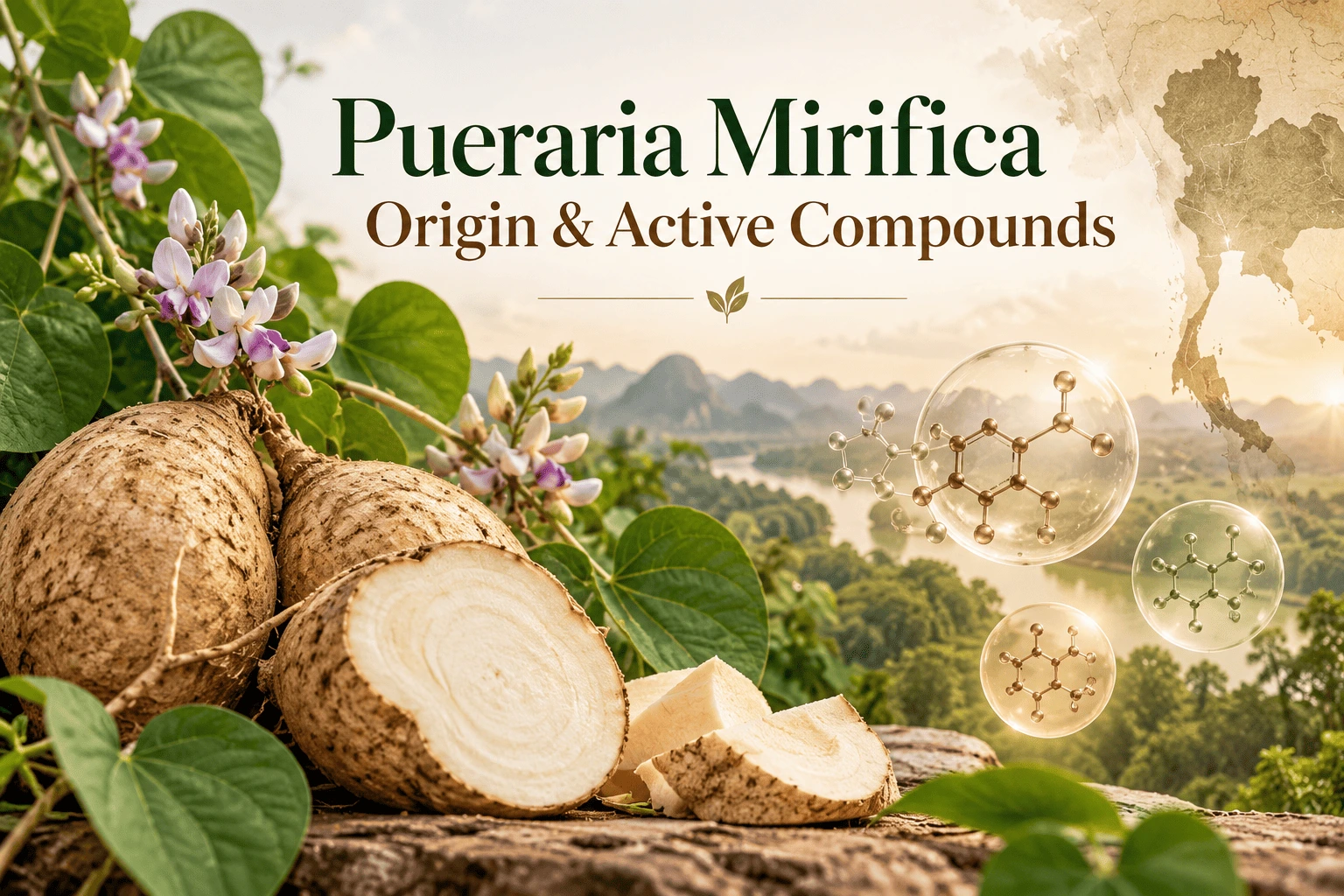
Where Pueraria Mirifica grows, why it is not kudzu, and what miroestrol, deoxymiroestrol and its isoflavones are, based on the published research.

How to start a Pueraria Mirifica routine one step at a time, who should ask a doctor first, and what the safety research does and does not show.

Skin repair is a coordinated biological process involving inflammation, cell proliferation, new tissue formation, and extracellular-matrix remodeling. Estrogen signaling is involved in several of these processes, which helps explain why…
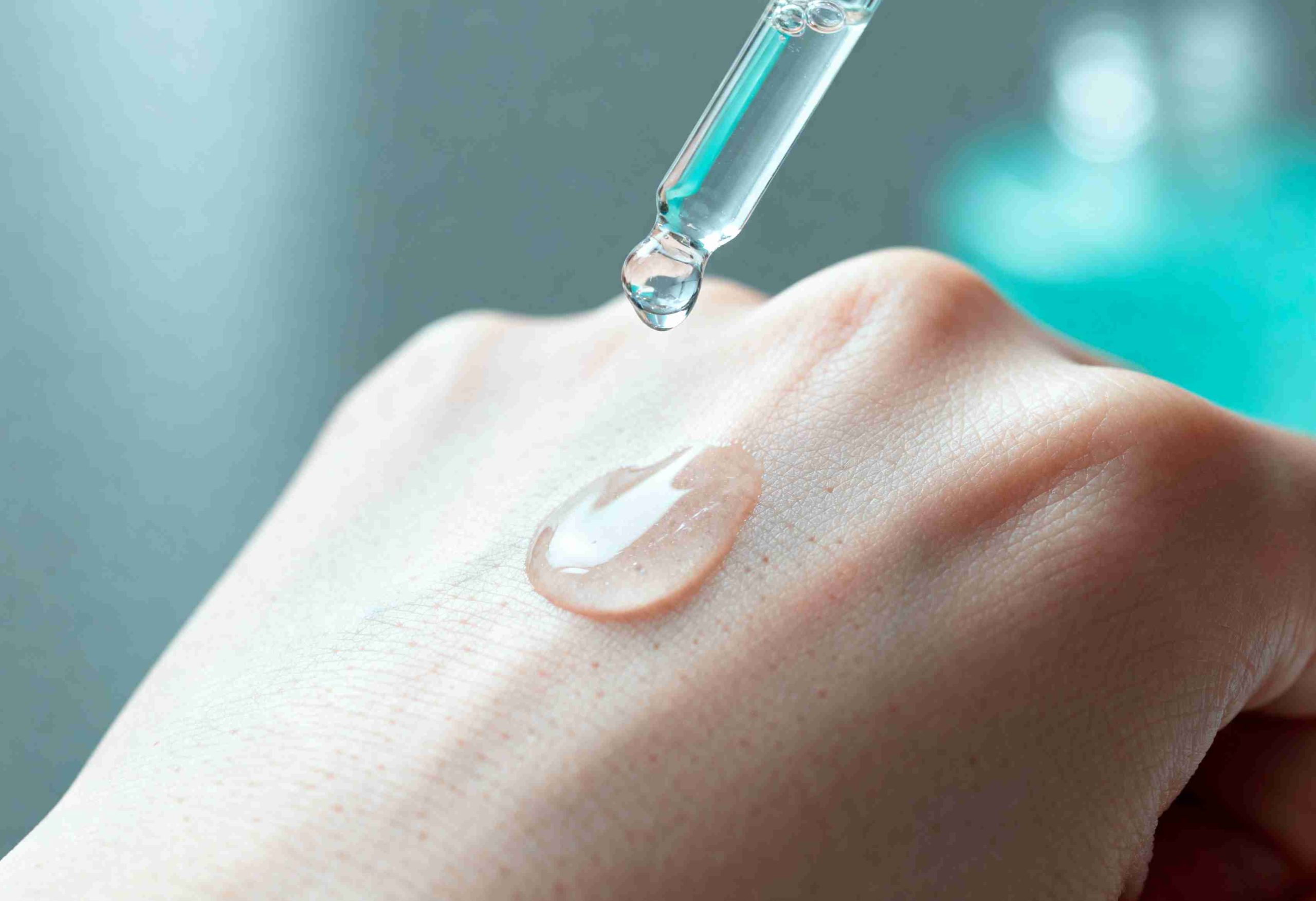
The surface of healthy skin is naturally slightly acidic. This environment is often described as the skin acid mantle, and it plays an important role in maintaining the skin barrier,…

Kaempferia Parviflora, commonly known as Thai black ginger, is a plant traditionally used in Thailand as a botanical ingredient associated with vitality and general wellness. The rhizome contains naturally occurring…

Perimenopause is the period leading up to menopause when ovarian hormone activity begins to change. It does not happen at one specific age or follow exactly the same pattern for…

Bioavailability refers to the proportion of a botanical’s active compounds that become available for absorption and utilization after administration. For Pueraria Mirifica, bioavailability can vary depending on the supplement form,…

Pueraria Mirifica Dosage Guide recommendations often begin with the principle of starting with the lowest effective amount and adjusting only when appropriate. Because every individual differs in age, body size,…
Plant-Based Hormonal Wellness continues to evolve as researchers, manufacturers, and healthcare professionals gain a deeper understanding of bioactive plant compounds. Beyond 2026, innovation is expected to focus less on single…
Specialists answer routine, dosage and shipping questions.