Stherb Intimate pH-Balanced Cleansing Mousse 100 ml
 Subtotal: $30.00


The skin is more than just a protective barrier, it is a living ecosystem. Covering its surface is a complex community of microorganisms known as the skin microbiome, which plays a vital role in maintaining skin health, hydration, and resilience. While many factors influence this ecosystem, one of the most important, and often overlooked, is hormonal fluctuation. Changes in hormone levels throughout life can significantly alter the balance of skin bacteria, affecting everything from oil production to sensitivity and overall skin condition.
Understanding how hormones interact with the skin microbiome provides a deeper perspective on skin health and helps explain why certain skin changes occur at different stages of life.
What Is the Skin Microbiome?
The skin microbiome consists of bacteria, fungi, and other microorganisms that live on the skin’s surface. These microorganisms are not harmful. In fact, many are beneficial and help protect the skin from external threats.
A balanced microbiome supports:
- Skin barrier function
- Moisture retention
- Protection against harmful bacteria
- Regulation of inflammation
When this balance is disrupted, the skin may become more prone to irritation, dryness, or breakouts.
The Role of Hormones in Skin Function
Hormones act as chemical messengers that regulate many physiological processes, including those related to the skin.
Estrogen, progesterone, and androgens all influence skin behavior in different ways. These hormones affect oil production, hydration levels, collagen synthesis, and even the immune response of the skin.
Because the microbiome depends on the skin’s environment, any hormonal change that alters this environment may also affect microbial balance.
Estrogen and Microbial Balance
Estrogen plays a key role in maintaining skin hydration, thickness, and elasticity. It supports the production of lipids and helps maintain a slightly acidic skin pH, both of which are important for a healthy microbiome.
When estrogen levels are balanced, the skin environment tends to support a diverse and stable microbial population. This balance helps protect against irritation and supports overall skin resilience.
However, when estrogen levels decline or fluctuate, the skin environment may change. Reduced hydration and altered pH levels can influence which microorganisms thrive on the skin.
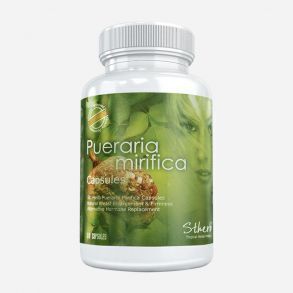
Certain plant-based compounds known as phytoestrogens interact with estrogen receptors and are often explored in discussions about skin balance. One example is Pueraria mirifica, traditionally used in Southeast Asia and associated with skin hydration and vitality.
Sebum Production and Hormonal Influence
Sebum, the natural oil produced by the skin, is another factor influenced by hormones. Androgens, in particular, stimulate sebum production.
Sebum serves as a nutrient source for certain skin bacteria. When sebum levels increase, it may create an environment that favors specific microbial populations.
This is one reason why hormonal changes during puberty or certain phases of the menstrual cycle may lead to breakouts. Increased oil production can shift the balance of the microbiome, sometimes allowing acne-associated bacteria to become more dominant.
Hormonal Changes Across Life Stages
Women experience several hormonal transitions throughout life, each of which can influence the skin microbiome.
During puberty, increased androgen levels stimulate sebum production, often leading to changes in microbial balance and the appearance of acne.
During the menstrual cycle, fluctuations in estrogen and progesterone may affect skin hydration and oil levels, leading to temporary changes in skin condition.
In perimenopause and menopause, declining estrogen levels may result in reduced hydration, thinner skin, and changes in microbial diversity.
These transitions highlight the dynamic relationship between hormones and the skin ecosystem.
The Gut–Skin–Hormone Connection
The skin microbiome does not function in isolation. It is closely connected to the gut microbiome and the body’s hormonal systems.
Gut bacteria influence hormone metabolism, including estrogen regulation. This interaction can indirectly affect the skin by altering the hormonal environment.
This connection is often referred to as the gut–skin axis, emphasizing the importance of internal health in maintaining skin balance.
Inflammation and Microbial Imbalance
Hormonal fluctuations may also influence inflammatory responses in the skin. Changes in hormone levels can affect how the immune system reacts to microbial activity.
When inflammation increases, it may disrupt the balance of the microbiome, creating a cycle of irritation and imbalance.
Maintaining balanced inflammatory responses is therefore an important aspect of supporting skin health.
Supporting the Skin Microbiome Naturally
Maintaining a balanced skin microbiome involves supporting both the external environment of the skin and internal health.
Gentle skincare practices help preserve beneficial microorganisms, while avoiding overly harsh products prevents disruption of the skin barrier.
Internally, balanced nutrition, hydration, and stress management contribute to hormonal stability and overall skin health.
Botanical extracts are often incorporated into wellness routines aimed at supporting skin balance. These plant-based compounds may provide antioxidant and soothing properties that help maintain a stable skin environment.
Lifestyle Factors That Influence Hormonal Skin Balance
Several lifestyle factors can influence both hormones and the skin microbiome.
Stress, for example, can affect hormone levels and may contribute to changes in skin condition. Poor sleep can disrupt hormonal rhythms and impair skin repair processes.
Diet also plays a role, as nutrient intake influences both hormonal balance and microbial diversity.
By addressing these factors, individuals can support a more stable environment for the skin microbiome.
A Holistic Approach to Skin Health
Because the skin microbiome is influenced by hormones, lifestyle, and environmental factors, a holistic approach is often the most effective way to maintain balance.
This includes:
- Supporting hormonal health
- Maintaining a healthy skin barrier
- Using gentle skincare products
- Adopting balanced lifestyle habits
These strategies work together to support the skin’s natural ecosystem.
Final Thoughts
Hormonal fluctuations have a significant impact on the skin microbiome, influencing oil production, hydration, pH levels, and microbial balance. These changes help explain why skin behaves differently at various stages of life.
By understanding the connection between hormones and the skin microbiome, individuals can take a more informed and holistic approach to skincare. Supporting both internal balance and external care helps maintain a healthy skin environment over time.
As research continues to explore the relationship between hormones and microbial ecosystems, this connection will likely become an increasingly important focus in modern skincare and wellness.
Explore our website to learn more: Click Here