
Most people associate sunlight with vitamin D production and outdoor activity. However, modern research shows that morning sunlight plays a much broader role in human physiology. Light exposure during the…

One plant. One purpose. Standard shipping free on orders over $100 worldwide.
Most people associate sunlight with vitamin D production and outdoor activity. However, modern research shows that morning sunlight plays a much broader role in human physiology. Light exposure during the…

Beauty science has moved beyond surface-level skincare. Researchers now examine the biological systems that help maintain skin quality from within. Among these systems, connective tissue plays a central role in…

The human body operates through complex biological timing systems known as circadian rhythms. These internal cycles regulate sleep, hormone release, energy metabolism, immune signaling, and cellular repair processes throughout the…

The herbal supplement industry has changed dramatically over the past decade. Consumers today are exposed to a wide range of wellness products positioned through very different branding strategies. Some brands…
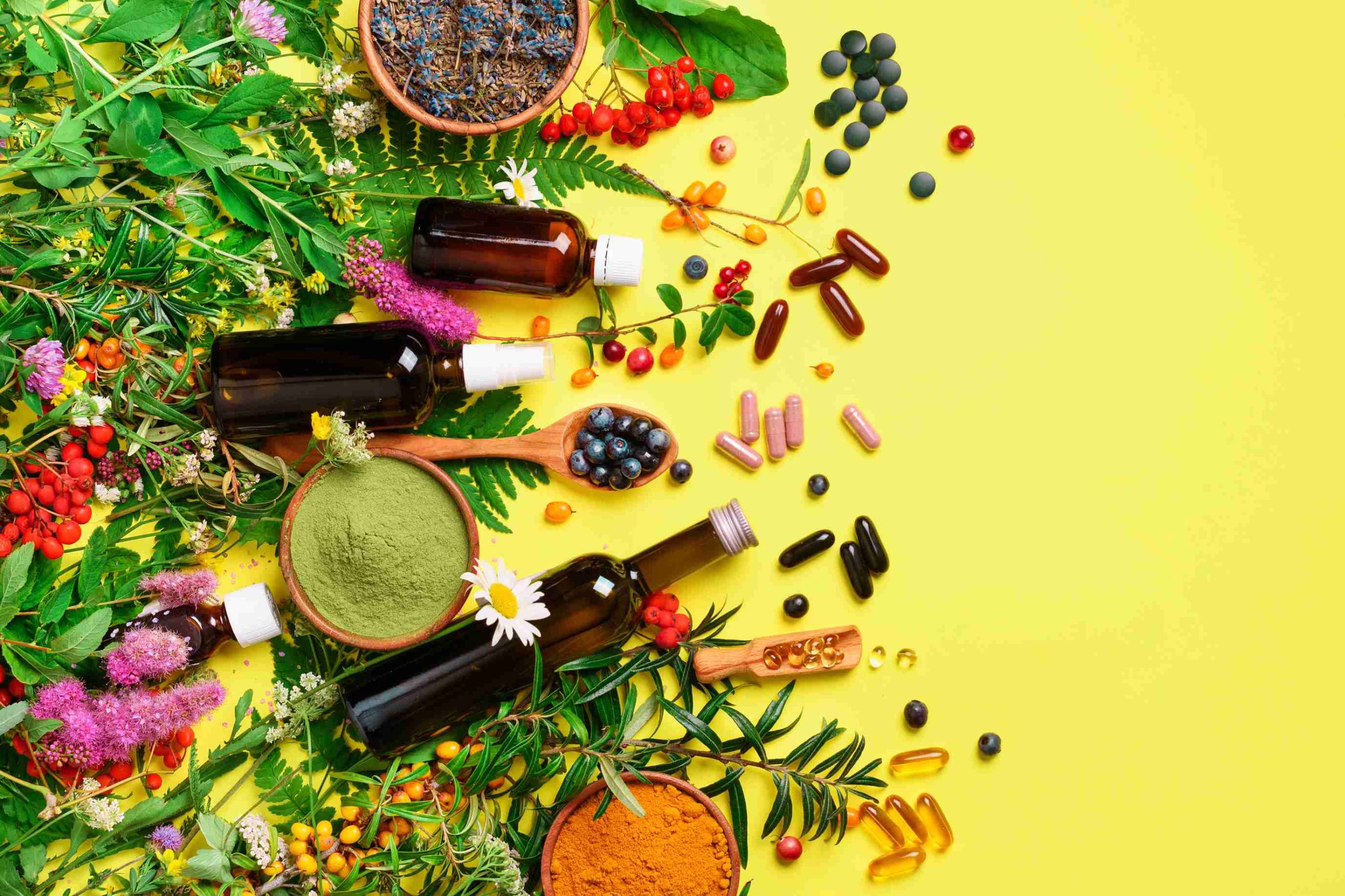
Modern botanical science increasingly focuses on how compounds work together rather than independently. For many years, supplement marketing focused heavily on single “hero ingredients” promoted at increasingly higher doses. However,…
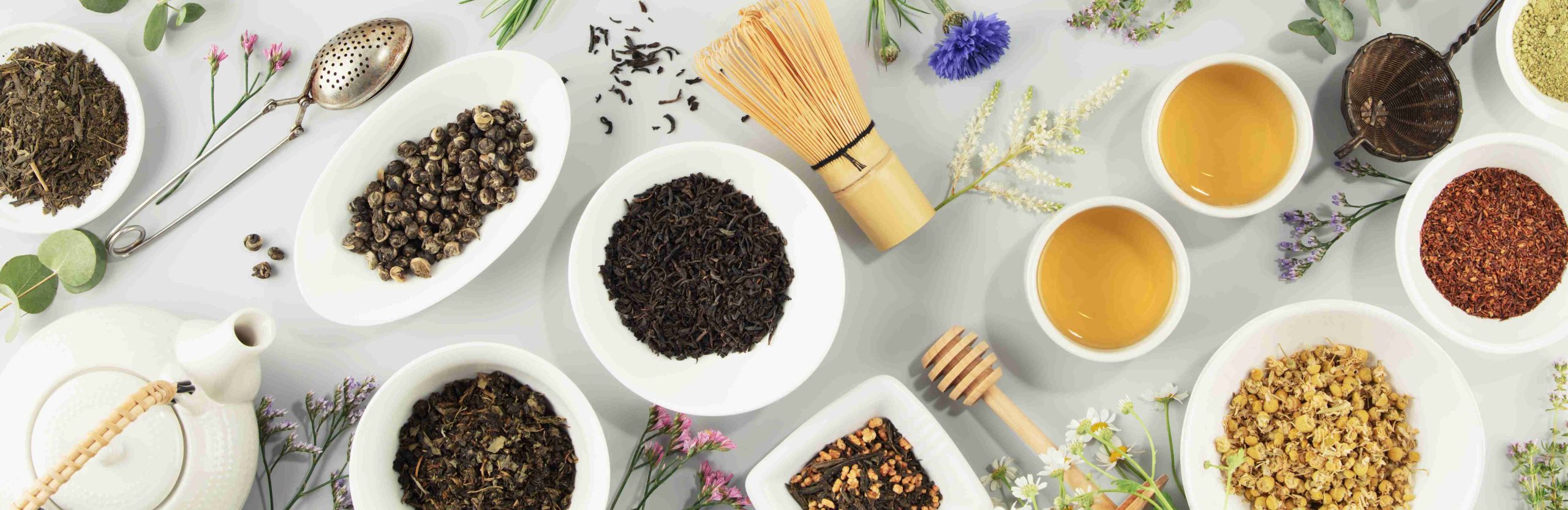
Effective herbal formulations depend on absorption and delivery, not just higher ingredient numbers. In the wellness and supplement industry, larger ingredient amounts are often associated with stronger effectiveness. Many products…
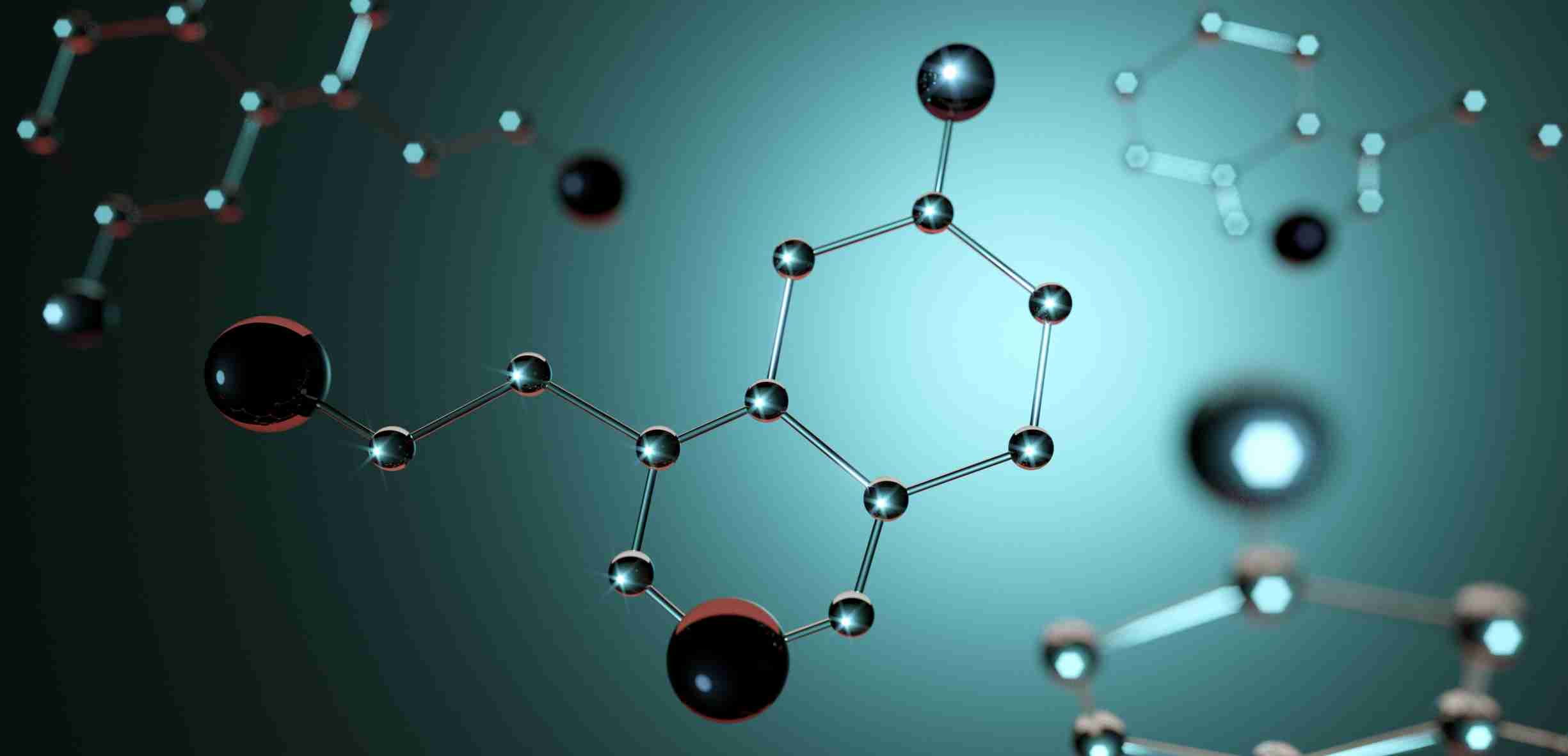
Botanical extracts contain a wide range of naturally occurring compounds that influence how plants interact with their environment. Among the most biologically active of these compounds are alkaloids. Alkaloids are…

When discussing plant-based skincare and wellness ingredients, attention often focuses on polyphenols, antioxidants, or vitamins. However, another major category of plant compounds is gaining increasing scientific interest: terpenes. Terpenes are…
Plant compounds are increasingly discussed in modern skin and wellness science, particularly in relation to antioxidant activity, hormonal signaling, and cellular regulation. Among the most commonly referenced groups are isoflavones,…

For many years, lactate was viewed primarily as a waste product associated with intense exercise and muscle fatigue. Modern research, however, has changed this perspective significantly. Lactate is now recognized…
Specialists answer routine, dosage and shipping questions.